What does Exodus 20:13 mean?
"Thou shalt not kill." - Exodus 20:13

Exodus 20:13 states, "Thou shalt not kill." This brief but powerful commandment is one of the Ten Commandments given by God to Moses on Mount Sinai and is found in the Old Testament of the Bible. The King James Version of the Bible uses the phrase "Thou shalt not kill," while other translations use "Thou shalt not murder." Regardless of the specific wording, the meaning and message of this commandment remain consistent across versions of the Bible.
The commandment "Thou shalt not kill" is often considered one of the most fundamental and universally applicable moral principles in the Bible. It serves as a timeless and unambiguous prohibition against taking the life of another human being without just cause. This commandment is foundational to the idea that all human life is sacred and worthy of protection. It establishes the inherent value and dignity of every person and outlines the responsibility to preserve and respect human life.
In a broader context, the commandment "Thou shalt not kill" is situated within the Ten Commandments, which form the ethical and moral foundation of Judeo-Christian tradition. These commandments were given directly by God to the Israelites as a guide for righteous living and a blueprint for a just and harmonious society. The commandments are not merely a set of rules, but rather a framework for moral conduct that emphasizes the importance of reverence for God and respect for others.
One of the key themes in Exodus 20:13 is the sanctity of human life. This verse underscores the value of each person as a unique creation of God and reinforces the responsibility to uphold and protect life. It teaches that the deliberate taking of a human life is a grave violation of God's will and is incompatible with His divine plan for humanity. This theme is echoed throughout the Bible and is foundational to the Christian belief in the inherent worth of every individual.
Another important theme present in the commandment "Thou shalt not kill" is the concept of justice and righteousness. This commandment addresses not only the act of killing but also the motive behind it. It stands as a reminder that murder, fueled by anger, hatred, or selfishness, is fundamentally unjust and contrary to God's righteous standards. The commandment encourages individuals to pursue peace, reconciliation, and forgiveness rather than resorting to violence and bloodshed.
The symbolism of this commandment extends beyond the literal act of taking a life. It encompasses the broader spectrum of harming others physically, emotionally, or spiritually. This includes actions such as assault, abuse, and oppression, as well as the destructive power of words and attitudes that devalue or dehumanize others. The commandment serves as a call to uphold the dignity and well-being of all people and to work towards building a society marked by compassion, empathy, and mutual respect.
The broader implications of the commandment "Thou shalt not kill" also extend to issues such as war, capital punishment, and the protection of vulnerable populations. It raises important ethical questions about the use of force, the pursuit of peace, and the pursuit of justice. It challenges individuals and societies to confront the complexities of violence and to seek alternatives that uphold the value of human life.
In conclusion, Exodus 20:13, "Thou shalt not kill," carries profound significance as a foundational moral principle within the Judeo-Christian tradition. It underscores the sanctity of human life, the pursuit of justice, and the responsibility to honor and protect the inherent worth of every individual. This commandment serves as a timeless guide for ethical living and a powerful reminder of the importance of respecting and valuing human life in all its forms.
Have questions about Exodus 20:13?
Dive deeper into this scripture with Bible Chat — an AI-powered tool for exploring God's Word through conversation. Ask questions, get context, and grow in your understanding of the Bible.
Get Our Apps


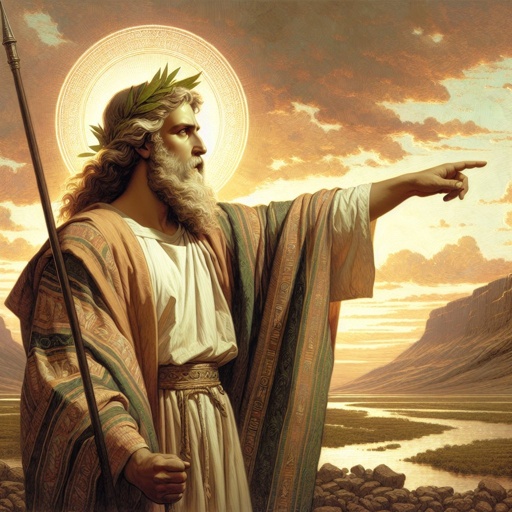
Exodus 20:13 Artwork

Exodus 20:13 - "Thou shalt not kill."

"Thou shalt not kill." - Exodus 20:13

Exodus 13:20 - "¶ And they took their journey from Succoth, and encamped in Etham, in the edge of the wilderness."

"¶ And they took their journey from Succoth, and encamped in Etham, in the edge of the wilderness." - Exodus 13:20

Exodus 23:20

Exodus 20:2

Exodus 27:20

Exodus 27:20

Exodus 27:20

Exodus 20:14

Exodus 20:15 - "Thou shalt not steal."

Exodus 27:19-20

Exodus 19:16-20

Exodus 20:14 - "Thou shalt not commit adultery."

Exodus 14:13

Exodus 14:13

Exodus 14:13

Exodus 14:13

Exodus 14:13

Exodus 14:13

Exodus 14:13
Exodus 14:13

Exodus 14:13
Exodus 14:13

Exodus 14:13
Exodus 14:13
Exodus 14:13
Exodus 14:13

Exodus 14:13

Exodus 14:13