What does Exodus 1:5 mean?
"And all the souls that came out of the loins of Jacob were seventy souls: for Joseph was in Egypt already." - Exodus 1:5
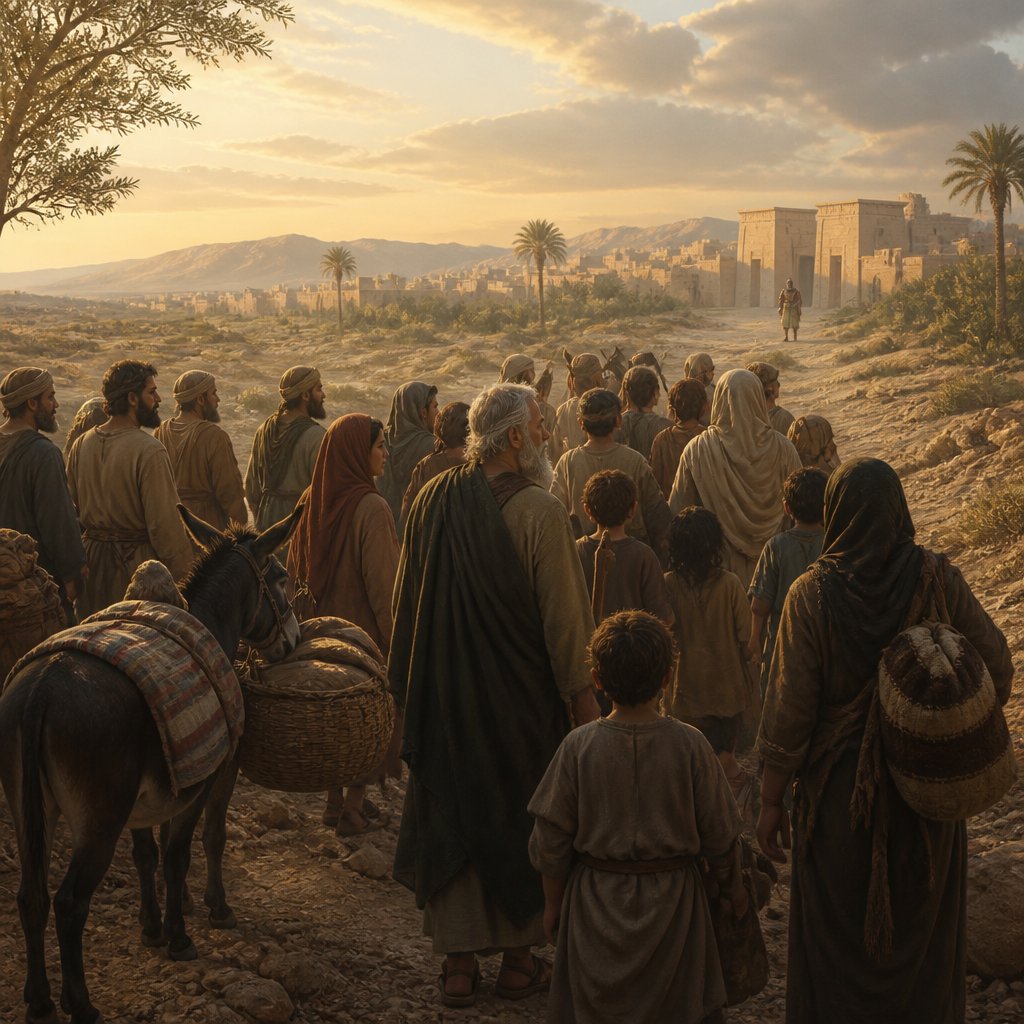
Exodus 1:5 (KJV) states, "And all the souls that came out of the loins of Jacob were seventy souls: for Joseph was in Egypt already." This verse is found in the second book of the Bible, Exodus, which tells the story of the Israelites' deliverance from slavery in Egypt under the leadership of Moses. This particular verse lists the number of descendants of Jacob who migrated to Egypt during a time of famine.
The significance of this verse lies in its historical and theological context. The "souls that came out of the loins of Jacob" refers to the family of Jacob, also known as Israel, who went to Egypt at the invitation of Joseph, his son who had become a high-ranking official under the Pharaoh. The number seventy is often symbolic in the Bible, representing completeness or fullness. It is also interesting to note that the number seventy is associated with the seventy nations listed in Genesis 10, indicating that Jacob's descendants represent all of humanity.
The verse also highlights the presence of Joseph in Egypt, which was a crucial factor in the preservation of the Israelite family during the famine. Joseph's position of power allowed him to provide for his family and ensure their safety and well-being. This demonstrates God's faithfulness in fulfilling his promise to Abraham that his descendants would become a great nation, as well as his providence in providing for their needs.
Furthermore, this verse sets the stage for the events that will unfold in the book of Exodus. The Israelites' time in Egypt, which began with the migration of Jacob's family, eventually led to their enslavement and oppression by the Egyptians. The "seventy souls" mentioned in this verse would grow into a great multitude in the following generations, ultimately leading to their deliverance by God through the leadership of Moses.
The themes present in this verse are numerous. One theme is the faithfulness of God in fulfilling his promises. Despite the adversity faced by the Israelites in Egypt, God remained true to his covenant with Abraham and eventually delivered his people from bondage. Another theme is the providence of God, as seen in Joseph's role in providing for his family and ultimately preserving the lineage of Jacob. Additionally, this verse foreshadows the concept of deliverance and redemption, as the Israelites will eventually be set free from their enslavement through God's intervention.
Symbolism in this verse can also be found in the number seventy. As previously mentioned, seventy is often used in the Bible to represent completeness or fullness. In this context, it symbolizes the entirety of Jacob's family who migrated to Egypt, as well as the future multitude of the Israelite nation. The presence of Joseph in Egypt also carries symbolic significance, as he becomes a type of Christ figure, foreshadowing the ultimate deliverance and salvation that will come through Jesus.
In conclusion, Exodus 1:5 is a significant and richly layered verse that sets the stage for the events that will unfold in the book of Exodus. It provides historical context for the Israelites' time in Egypt and introduces important themes such as God's faithfulness, providence, and deliverance. The symbolism present in the verse adds depth and meaning to the narrative, pointing to the larger theological implications and foreshadowing the ultimate redemption that will come through Jesus Christ.
Have questions about Exodus 1:5?
Dive deeper into this scripture with Bible Chat — an AI-powered tool for exploring God's Word through conversation. Ask questions, get context, and grow in your understanding of the Bible.
Get Our Apps


Exodus 1:5 Artwork

Exodus 1:5 - "And all the souls that came out of the loins of Jacob were seventy souls: for Joseph was in Egypt already."
"And all the souls that came out of the loins of Jacob were seventy souls: for Joseph was in Egypt already." - Exodus 1:5

Exodus 4:1-5

Exodus 22:5

Exodus 22:5

Exodus 22:5

Exodus 15:5

Exodus 5:1 - "And afterward Moses and Aaron went in, and told Pharaoh, Thus saith the LORD God of Israel, Let my people go, that they may hold a feast unto me in the wilderness."

Exodus 5:5 - "And Pharaoh said, Behold, the people of the land now are many, and ye make them rest from their burdens."

Exodus 15:5 - "The depths have covered them: they sank into the bottom as a stone."

Exodus 34:5 - "And the LORD descended in the cloud, and stood with him there, and proclaimed the name of the LORD."

Exodus 37:5 - "And he put the staves into the rings by the sides of the ark, to bear the ark."

Exodus 28:5 - "And they shall take gold, and blue, and purple, and scarlet, and fine linen."

Exodus 25:5 - "And rams' skins dyed red, and badgers' skins, and shittim wood,"

Exodus 5:6 - "And Pharaoh commanded the same day the taskmasters of the people, and their officers, saying,"

Exodus 30:5 - "And thou shalt make the staves of shittim wood, and overlay them with gold."

Exodus 31:5 - "And in cutting of stones, to set them, and in carving of timber, to work in all manner of workmanship."

Exodus 38:5 - "And he cast four rings for the four ends of the grate of brass, to be places for the staves."

Exodus 5:20 - "¶ And they met Moses and Aaron, who stood in the way, as they came forth from Pharaoh:"

Exodus 9:5 - "And the LORD appointed a set time, saying, To morrow the LORD shall do this thing in the land."

Exodus 27:5 - "And thou shalt put it under the compass of the altar beneath, that the net may be even to the midst of the altar."

Exodus 5:13 - "And the taskmasters hasted them, saying, Fulfil your works, your daily tasks, as when there was straw."

Exodus 24;16

exodus 3

Exodus 19
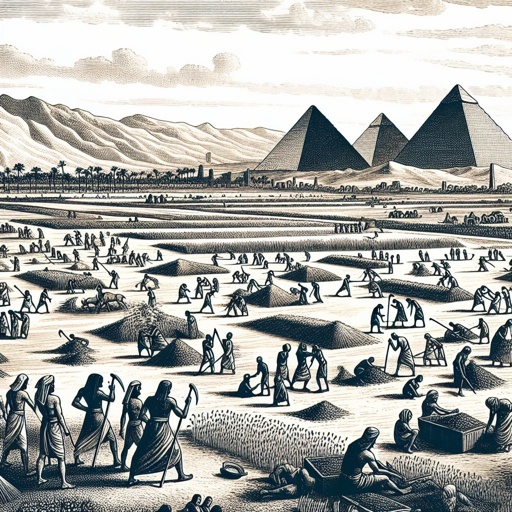
Exodus 5:12 - "So the people were scattered abroad throughout all the land of Egypt to gather stubble instead of straw."

Exodus 27:1-8

Exodus 24:17

Exodus 40:5 - "And thou shalt set the altar of gold for the incense before the ark of the testimony, and put the hanging of the door to the tabernacle."

Exodus 5:15 - "¶ Then the officers of the children of Israel came and cried unto Pharaoh, saying, Wherefore dealest thou thus with thy servants?"