What does Exodus 1:4 mean?
"Dan, and Naphtali, Gad, and Asher." - Exodus 1:4
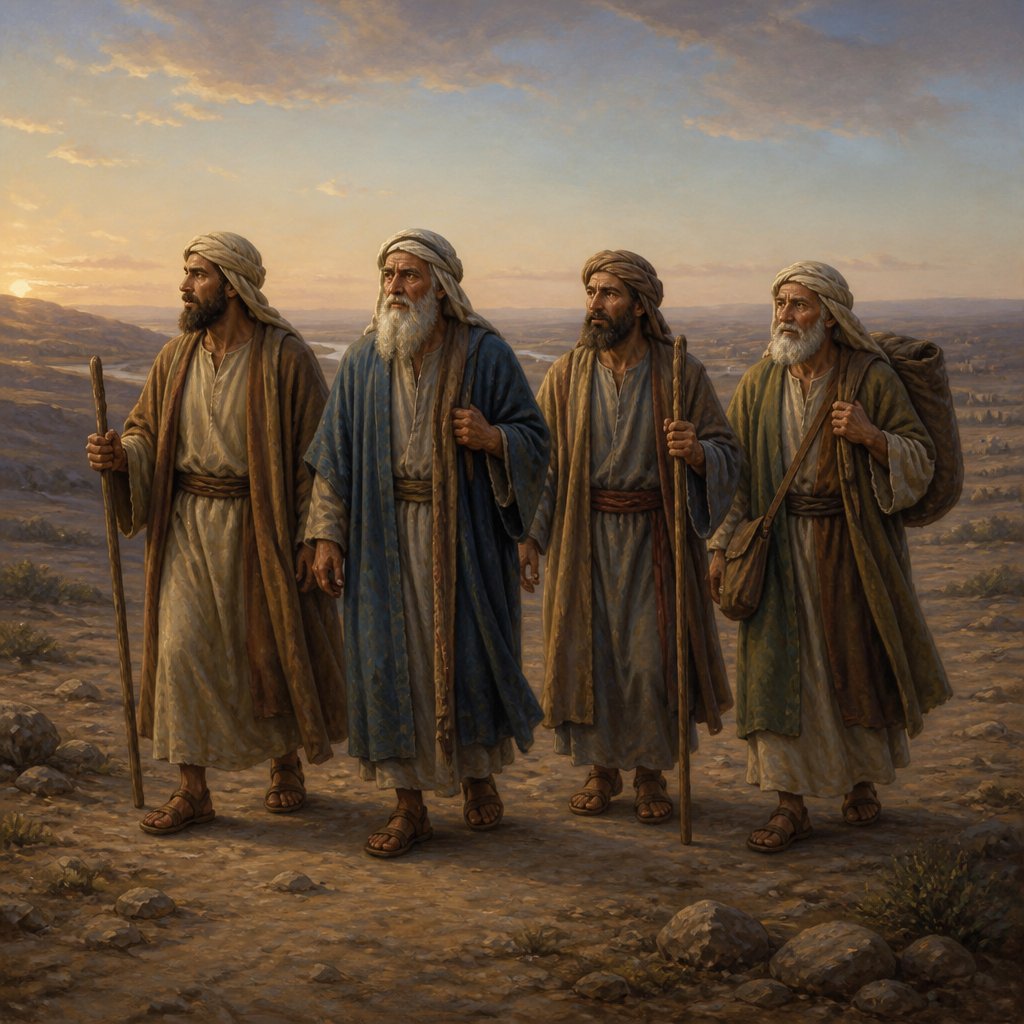
Exodus 1:4 in the King James Version of the Bible reads, "Dan, and Naphtali, Gad, and Asher." This short verse is part of the opening passage of the book of Exodus, which describes the list of Jacob's twelve sons who went to Egypt with him, along with their families. This verse is part of a genealogy that sets the stage for the story of the Israelites' enslavement and deliverance from Egypt.
At first glance, this verse may seem simple and straightforward, but when examined in the context of the broader biblical narrative, it carries significant meaning and symbolism. First, it is important to understand the historical and cultural background of the Israelites at the time this verse was written. The Israelites were descendants of Jacob, who was also known as Israel. After Joseph, one of Jacob's sons, was sold into slavery by his brothers and eventually rose to power in Egypt, Jacob and his family moved to Egypt to escape a famine in their land.
The mention of the names Dan, Naphtali, Gad, and Asher in this verse is significant because these are the names of four of Jacob's sons. Each of these sons represents one of the twelve tribes of Israel. These tribes would go on to play a crucial role in the history of the Israelites, and their names became synonymous with various aspects of the Israelite identity.
In the broader context of the book of Exodus, this genealogy serves as a reminder of the promises that God made to the patriarchs of Israel, including Jacob. Even as the Israelites faced oppression and enslavement in Egypt, the genealogy of their ancestors served as a testament to the covenant that God had made with them. This covenant promised that their descendants would become a great nation and inherit the promised land.
The mention of these four sons also carries symbolic significance. In the Bible, the number four often represents completeness or fullness. The inclusion of these four names in the genealogy of Jacob's descendants serves as a reminder of the completeness of God's plan for the Israelites. It foreshadows the fulfillment of the promises that God had made to their ancestors and reassures the Israelites that God is faithful and will deliver them from their current hardships.
Additionally, the mention of these specific tribes in the genealogy of Jacob's descendants carries with it the themes of inheritance and identity. In biblical times, a person's tribe was a central aspect of their identity, determining their social status, inheritance, and cultural traditions. By listing the names of these tribes, the verse reinforces the idea of the Israelites as a chosen people with a specific and important identity and purpose in God's plan.
In conclusion, while Exodus 1:4 may seem like a simple and straightforward verse at first glance, it carries with it significant meaning and symbolism when examined in the broader context of the biblical narrative. It serves as a reminder of God's faithfulness to the promises made to the patriarchs of Israel and reinforces the completeness of God's plan for his chosen people. The mention of these specific tribes in the genealogy of Jacob's descendants serves to underscore the themes of inheritance and identity, reminding the Israelites of their unique and important place in God's plan.
Have questions about Exodus 1:4?
Dive deeper into this scripture with Bible Chat — an AI-powered tool for exploring God's Word through conversation. Ask questions, get context, and grow in your understanding of the Bible.
Get Our Apps


Exodus 1:4 Artwork

Exodus 1:4 - "Dan, and Naphtali, Gad, and Asher."
"Dan, and Naphtali, Gad, and Asher." - Exodus 1:4

Exodus 23:4

Exodus 28:4

Exodus 4:1-5

Exodus 28:4

Exodus 28:4

Exodus 28:4

Exodus 23:4

Exodus 4:1-4 - "Exodus 4:1-4 (NIV): Moses answered, "What if they do not believe me or listen to me and say, 'The LORD did not appear to you'?" Then the LORD said to him, "What is that in your hand?" "A staff," he replied. The LORD said, "Throw it on the ground." Moses threw it on the ground and it became a snake, and he ran from it. Then the LORD said to him, "Reach out your hand and take it by the tail." So Moses reached out and took hold of the snake and it turned back into a staff in his hand."

Exodus 4:1 - "And Moses answered and said, But, behold, they will not believe me, nor hearken unto my voice: for they will say, The LORD hath not appeared unto thee."

Exodus 24:4

Exodus 13:4 - "This day came ye out in the month Abib."

Exodus 25:4 - "And blue, and purple, and scarlet, and fine linen, and goats' hair,"

Exodus 31:4 - "To devise cunning works, to work in gold, and in silver, and in brass,"

Exodus 39:4 - "They made shoulderpieces for it, to couple it together: by the two edges was it coupled together."

Exodus 37:4 - "And he made staves of shittim wood, and overlaid them with gold."

Exodus 4:29 - "¶ And Moses and Aaron went and gathered together all the elders of the children of Israel:"

Exodus 4:24 - "¶ And it came to pass by the way in the inn, that the LORD met him, and sought to kill him."

Exodus 4:4 - "And the LORD said unto Moses, Put forth thine hand, and take it by the tail. And he put forth his hand, and caught it, and it became a rod in his hand:"

Exodus 4:2 - "And the LORD said unto him, What is that in thine hand? And he said, A rod."

Exodus 2:4 - "And his sister stood afar off, to wit what would be done to him."

Exodus 24;16

exodus 3

Exodus 19

Exodus 27:1-8

Exodus 4:17 - "And thou shalt take this rod in thine hand, wherewith thou shalt do signs."

Exodus 24:17

exodus 26:1

Exodus 33:4 - "¶ And when the people heard these evil tidings, they mourned: and no man did put on him his ornaments."