What does Exodus 17:11-13 mean?
"As long as Moses held up his hands, the Israelites were winning, but whenever he lowered his hands, the Amalekites were winning. When Moses’ hands grew tired, they took a stone and put it under him and he sat on it. Aaron and Hur held his hands up—one on one side, one on the other—so that his hands remained steady till sunset. So Joshua overcame the Amalekite army with the sword." - Exodus 17:11-13
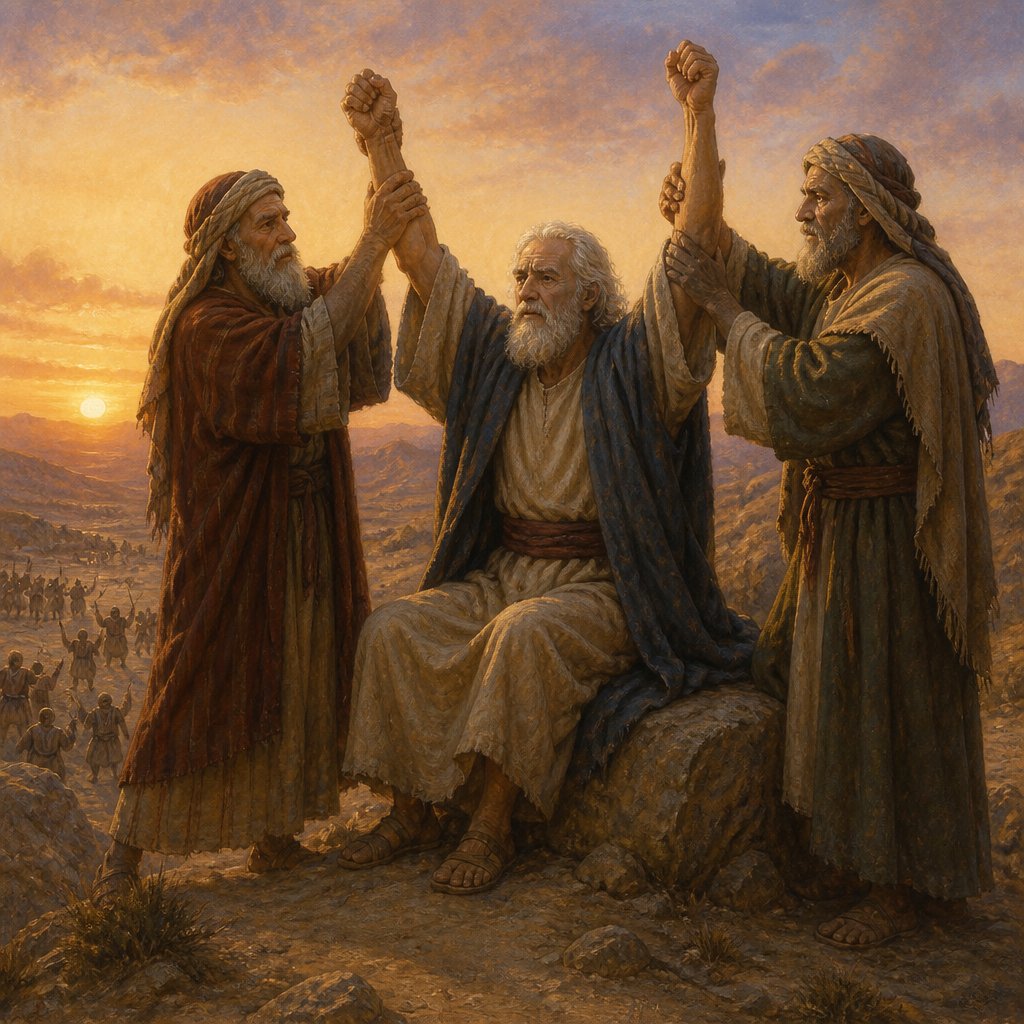
Exodus 17:11-13 in the King James Version (KJV) reads: "And it came to pass, when Moses held up his hand, that Israel prevailed: and when he let down his hand, Amalek prevailed. But Moses' hands were heavy; and they took a stone, and put it under him, and he sat thereon; and Aaron and Hur stayed up his hands, the one on the one side, and the other on the other side; and his hands were steady until the going down of the sun. And Joshua discomfited Amalek and his people with the edge of the sword."
This passage from the book of Exodus is part of the larger narrative of the Israelites' journey through the wilderness. Here, the Israelites are facing an enemy named Amalek, and Moses plays a crucial role in the battle's outcome.
The themes of faith, dependency on God, and the importance of community support are central to this passage. The story highlights the power of collective prayer, the need for mutual support in times of difficulty, and the interplay between human effort and divine intervention.
The context of this passage is important for understanding its significance. The Israelites had recently been delivered from slavery in Egypt and were now traveling through the wilderness to the Promised Land. Along the way, they faced numerous challenges and enemies. The battle against Amalek was one such challenge, and the outcome would be critical for the Israelites' morale and sense of security.
Moses is portrayed as a central figure in the passage, as his actions directly impact the outcome of the battle. When he raises his hands, the Israelites prevail, but when he lowers them, Amalek prevails. This physical gesture symbolizes Moses' communication with God and his role as an intercessor for the people. It also represents the importance of faith and reliance on God's power in the midst of conflict.
Moses' exhaustion and the need for physical support from Aaron and Hur further emphasize the theme of communal dependence. It is a reminder that even the most influential and powerful leaders require assistance and encouragement. The use of a stone for Moses to sit on symbolizes stability and endurance, as well as the resourcefulness of the community in finding solutions to practical challenges.
The passage also highlights the role of Joshua, who ultimately leads the Israelites to victory. His military prowess and leadership are contrasted with Moses' spiritual and intercessory role. This juxtaposition underscores the complementary nature of different types of leadership and the need for both physical and spiritual strength in times of struggle.
Symbolically, the battle against Amalek can be seen as representative of the broader spiritual struggle between good and evil. The physical conflict on the battlefield reflects the ongoing spiritual warfare faced by individuals and communities. The victory achieved by Joshua with the edge of the sword signifies the importance of taking tangible action in the face of adversity, while also acknowledging the role of divine assistance in achieving ultimate success.
Overall, Exodus 17:11-13 is a rich and multi-layered passage that conveys important messages about faith, community support, leadership, and the interplay between human effort and divine intervention. It offers timeless wisdom and encouragement for navigating the challenges of life, emphasizing the power of collective prayer, the importance of mutual assistance, and the need for both spiritual and practical strategies in the face of adversity.
Have questions about Exodus 17:11-13?
Dive deeper into this scripture with Bible Chat — an AI-powered tool for exploring God's Word through conversation. Ask questions, get context, and grow in your understanding of the Bible.
Get Our Apps


Exodus 17:11-13 Artwork

Exodus 17:11-13 - "As long as Moses held up his hands, the Israelites were winning, but whenever he lowered his hands, the Amalekites were winning. When Moses’ hands grew tired, they took a stone and put it under him and he sat on it. Aaron and Hur held his hands up—one on one side, one on the other—so that his hands remained steady till sunset. So Joshua overcame the Amalekite army with the sword."
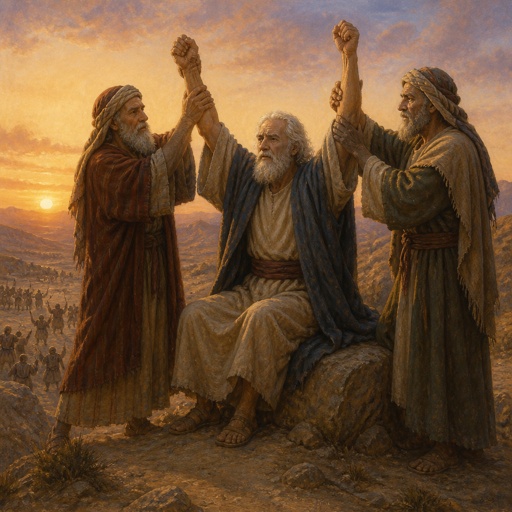
"As long as Moses held up his hands, the Israelites were winning, but whenever he lowered his hands, the Amalekites were winning. When Moses’ hands grew tired, they took a stone and put it under him and he sat on it. Aaron and Hur held his hands up—one on one side, one on the other—so that his hands remained steady till sunset. So Joshua overcame the Amalekite army with the sword." - Exodus 17:11-13

Exodus 17:11

Exodus 13:17-14:29

Exodus 17:13 - "And Joshua discomfited Amalek and his people with the edge of the sword."

Exodus 17:3

Exodus 17:3

Exodus 17:11 - "And it came to pass, when Moses held up his hand, that Israel prevailed: and when he let down his hand, Amalek prevailed."

"And Joshua discomfited Amalek and his people with the edge of the sword." - Exodus 17:13
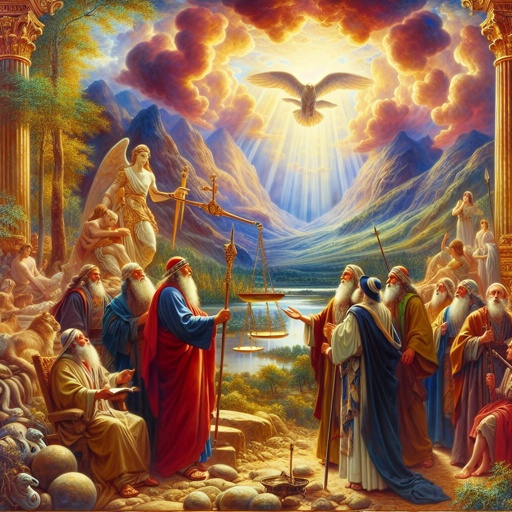
Exodus 13:11 - "¶ And it shall be when the LORD shall bring thee into the land of the Canaanites, as he sware unto thee and to thy fathers, and shall give it thee,"

Exodus 13:17 - "¶ And it came to pass, when Pharaoh had let the people go, that God led them not through the way of the land of the Philistines, although that was near; for God said, Lest peradventure the people repent when they see war, and they return to Egypt:"
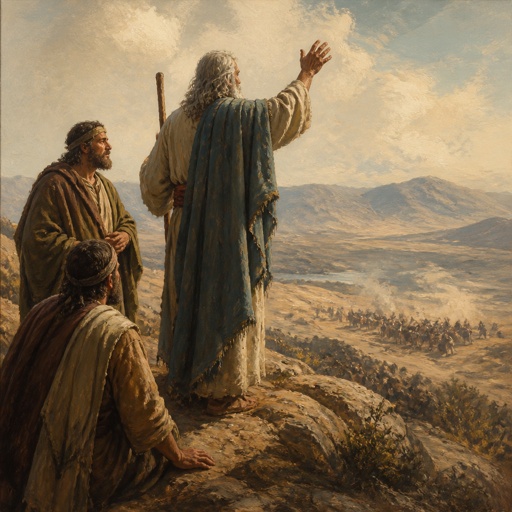
"And it came to pass, when Moses held up his hand, that Israel prevailed: and when he let down his hand, Amalek prevailed." - Exodus 17:11
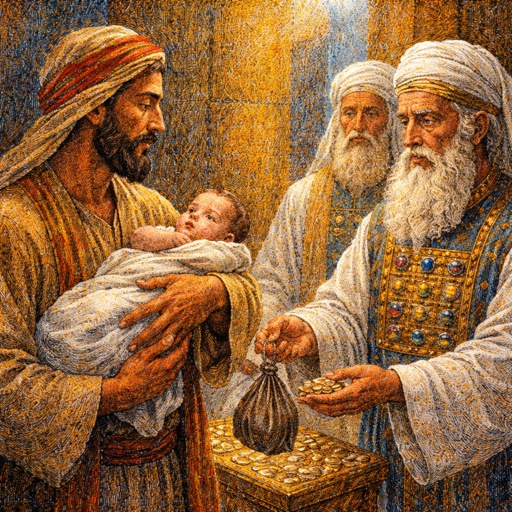
in the context of Exodus 13:11-15, draw an image of a man presenting his firstborn infant son to the priests, and giving him a sum of money in order to redeem the child.
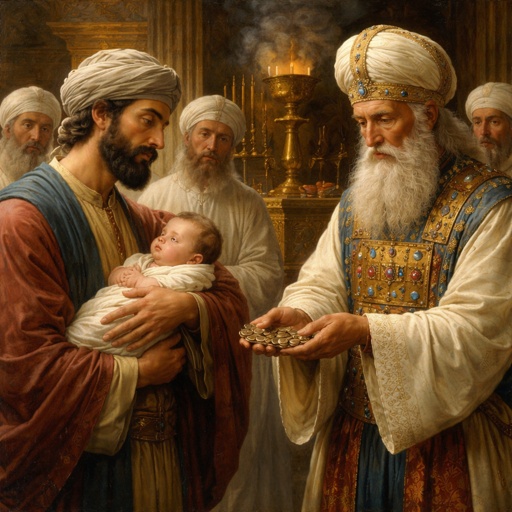
in the context of Exodus 13:11-15, draw an image of a man presenting his firstborn infant son to the priests, and giving him a sum of money in order to redeem the child.
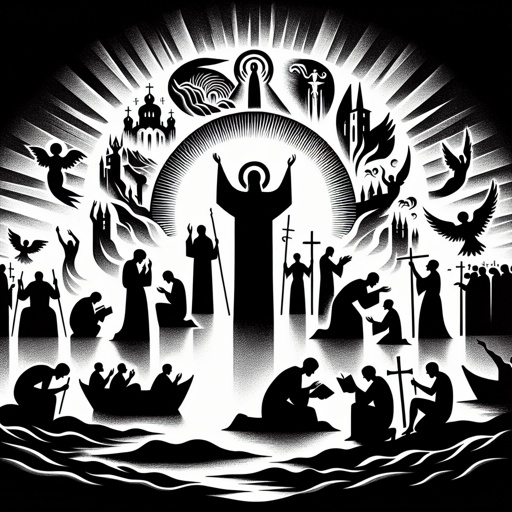
Psalm 1:1-3
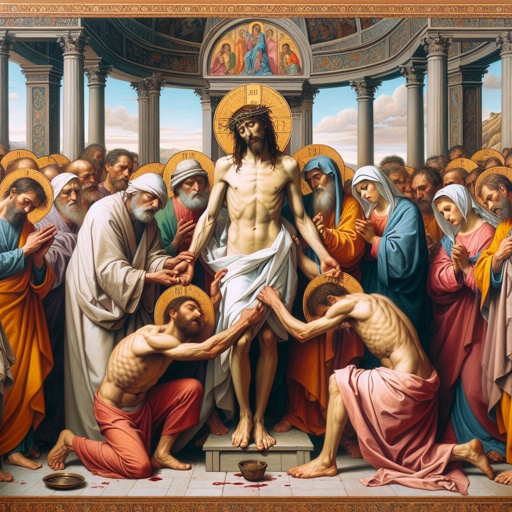
Pain 1:1-3
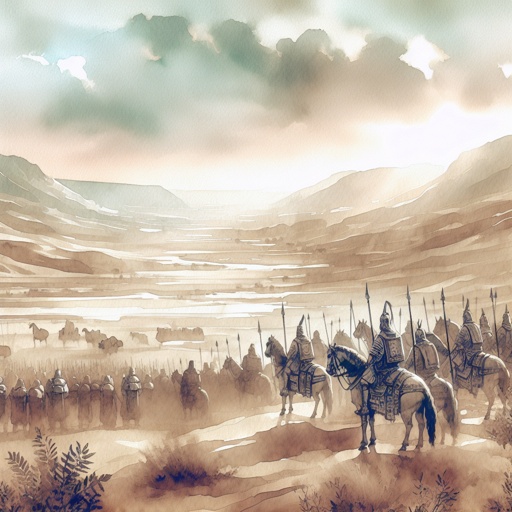
Exodus 17:10

Exodus 17:6

Exodus 17:6

Exodus 17:6

Exodus 24:17

Exodus 17:6

Exodus 14:13

Exodus 14:13

Exodus 14:13

Exodus 14:13

Exodus 14:13

Exodus 14:13

Exodus 14:13
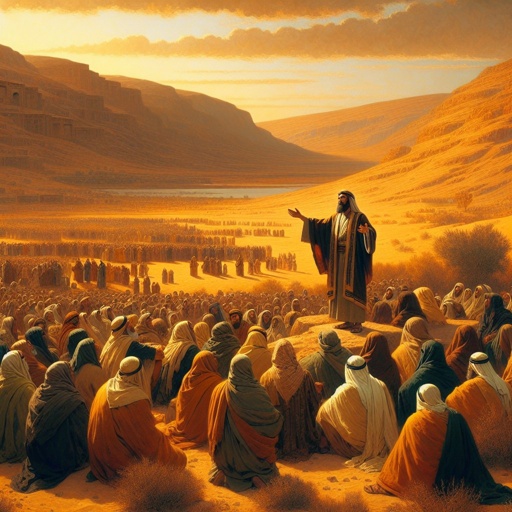
Exodus 14:13