What does Exodus 15:27 mean?
"¶ And they came to Elim, where were twelve wells of water, and threescore and ten palm trees: and they encamped there by the waters." - Exodus 15:27
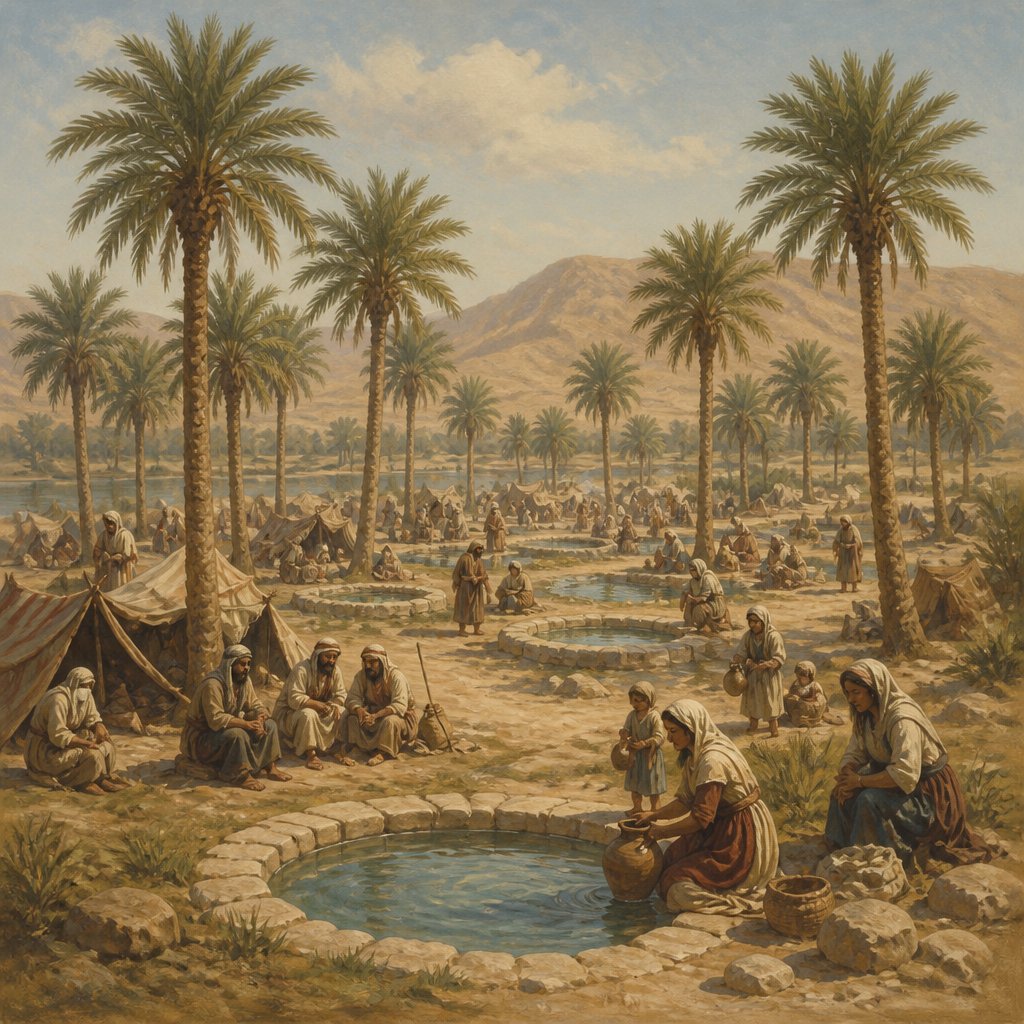
Exodus 15:27 (KJV) states, "And they came to Elim, where were twelve wells of water, and threescore and ten palm trees: and they encamped there by the waters." This verse comes at the end of the song of Moses and the Israelites, celebrating their deliverance from the Egyptians and their subsequent journey through the Red Sea. The verse points to the provision and blessing of God on their journey to the promised land, and it holds significance for Christians today.
To understand the deeper meaning and commentary on Exodus 15:27, it's essential to look at the context and symbolism surrounding this verse. The Israelites had just experienced God's miraculous deliverance from the hands of Pharaoh and his army. They were now on their way to the promised land, but they faced the challenge of finding sustenance and nourishment for their journey through the wilderness.
Elim is described as a place with twelve wells of water and seventy palm trees. Symbolically, this represents the abundance and sufficiency of God's provision for His people. The twelve wells of water symbolize the ample supply of sustenance and refreshment, while the seventy palm trees represent prosperity, peace, and security. This imagery conveys the idea that God not only meets our basic needs but also provides abundantly, exceeding our expectations.
The number twelve is significant in biblical numerology, often representing divine government, authority, and completeness. In this context, the twelve wells of water in Elim can be seen as a symbol of the fullness of God's provision and care for His people. Moreover, the seventy palm trees carry a symbolic weight, as the number seventy is associated with restoration and perfection, signifying God's complete and perfect provision for His people.
The imagery of wells and palm trees holds profound spiritual significance. Wells are a source of life-giving water in the desert, and they symbolize spiritual refreshment and sustenance. In the same way, the palm tree represents victory, triumph, and righteousness in the Bible. The combination of the two reflects the comprehensive and holistic nature of God's provision, not only meeting our physical needs but also nurturing our spiritual well-being.
Furthermore, the act of encamping by the waters implies rest and security. By resting near the abundant supply of water and palm trees, the Israelites found a place of refuge and nourishment, reflecting the concept of finding rest and peace in God's provision. This imagery echoes the Psalmist's words in Psalm 23:2, "He leads me beside still waters."
For Christians, Exodus 15:27 holds a powerful message of trust and reliance on God's abundant provision. It serves as a reminder that God is the ultimate sustainer and provider, and He cares for His people in every aspect of their lives. Just as the Israelites found sustenance and rest in Elim, believers are called to rest in God's unchanging and bountiful provision, knowing that He is faithful to meet their needs.
In conclusion, Exodus 15:27 is a beautiful portrayal of God's abundant provision and care for His people. The imagery of twelve wells of water and seventy palm trees symbolizes the completeness and sufficiency of God's provision, both physically and spiritually. This verse serves as a timeless reminder for Christians to trust in God's unfailing provision and find rest in His abundant grace. As we journey through the wilderness of life, may we look to Elim as a symbol of God's faithful and lavish provision, knowing that He is our ultimate source of sustenance and refreshment.
Have questions about Exodus 15:27?
Dive deeper into this scripture with Bible Chat — an AI-powered tool for exploring God's Word through conversation. Ask questions, get context, and grow in your understanding of the Bible.
Get Our Apps


Exodus 15:27 Artwork

Exodus 15:27 - "¶ And they came to Elim, where were twelve wells of water, and threescore and ten palm trees: and they encamped there by the waters."
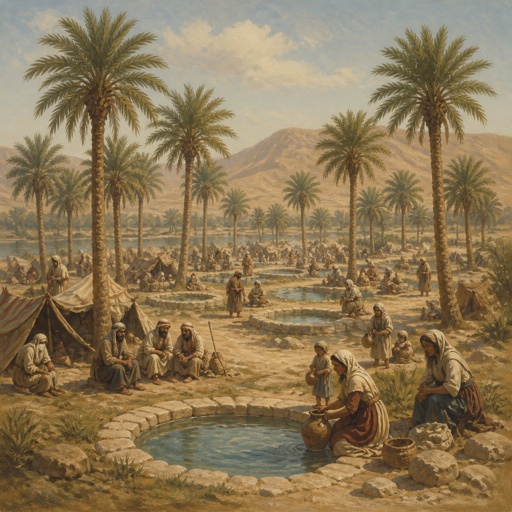
"¶ And they came to Elim, where were twelve wells of water, and threescore and ten palm trees: and they encamped there by the waters." - Exodus 15:27

Exodus 27:15 - "And on the other side shall be hangings fifteen cubits: their pillars three, and their sockets three."
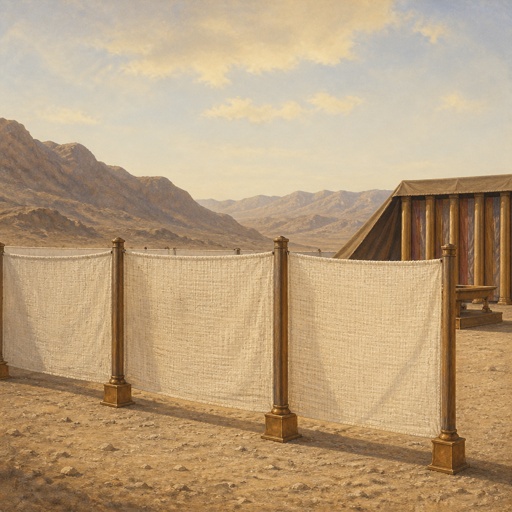
"And on the other side shall be hangings fifteen cubits: their pillars three, and their sockets three." - Exodus 27:15

Exodus 27:20

Exodus 27:20

Exodus 27:20

Exodus 27:19-20

Exodus 27:1-8

Exodus 23:27-28

exodus 27:3 forks

Exodus 27:19-21

exodus 15

Exodus 27:20 the lamp is made of brass

Exodus 36:27 - "And for the sides of the tabernacle westward he made six boards."

Exodus 35:27 - "And the rulers brought onyx stones, and stones to be set, for the ephod, and for the breastplate;"

Exodus 27:13 - "And the breadth of the court on the east side eastward shall be fifty cubits."

Exodus 15:22

Exodus 15:23

Exodus 15:5
Exodus 15:23

Exodus 15:21

Exodus 40:27 - "And he burnt sweet incense thereon; as the LORD commanded Moses."

Exodus 30:27 - "And the table and all his vessels, and the candlestick and his vessels, and the altar of incense,"

Exodus 25:27 - "Over against the border shall the rings be for places of the staves to bear the table."

Exodus 10:27 - "¶ But the LORD hardened Pharaoh's heart, and he would not let them go."

Exodus 39:27 - "¶ And they made coats of fine linen of woven work for Aaron, and for his sons,"

Exodus 20:15 - "Thou shalt not steal."

Numbers 27:15 - "¶ And Moses spake unto the LORD, saying,"

Joshua 15:27 - "And Hazar-gaddah, and Heshmon, and Beth-palet,"