What does Exodus 15:26 mean?
"And said, If thou wilt diligently hearken to the voice of the LORD thy God, and wilt do that which is right in his sight, and wilt give ear to his commandments, and keep all his statutes, I will put none of these diseases upon thee, which I have brought upon the Egyptians: for I am the LORD that healeth thee." - Exodus 15:26
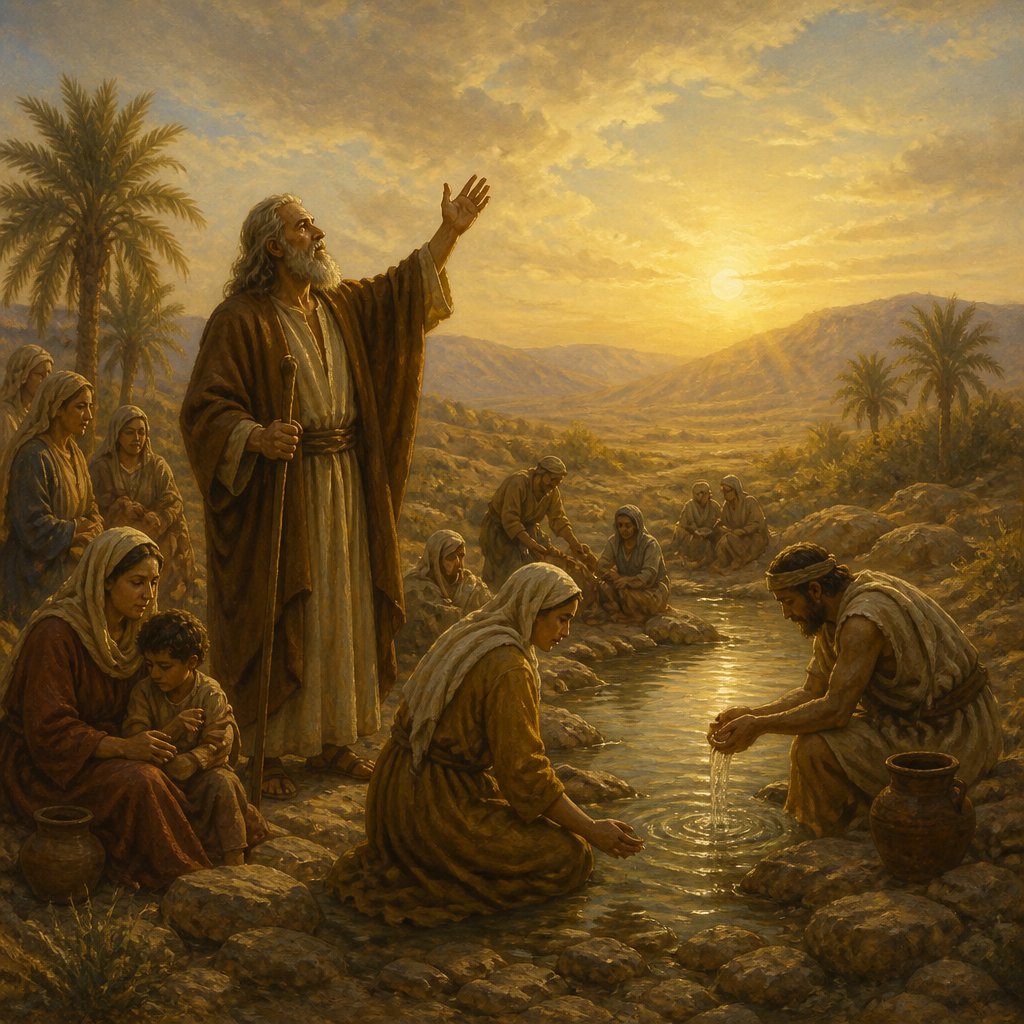
Exodus 15:26
"And said, If thou wilt diligently hearken to the voice of the Lord thy God, and wilt do that which is right in his sight, and wilt give ear to his commandments, and keep all his statutes, I will put none of these diseases upon thee, which I have brought upon the Egyptians: for I am the Lord that healeth thee."
The book of Exodus is the second book of the Bible and is focused on the story of the Israelites' escape from slavery in Egypt. This verse comes after the Israelites have crossed the Red Sea and are now on their way to Mount Sinai. The overarching theme of this verse is the importance of obedience to God's commandments in ensuring protection and health for the Israelites.
The verse begins with a conditional statement, "If thou wilt diligently hearken to the voice of the Lord thy God." This sets the tone for the rest of the verse, emphasizing the necessity of actively listening and obeying God's instructions. The word "diligently" suggests a level of commitment and earnestness in obeying God's voice, indicating that half-hearted or occasional obedience will not suffice.
The next condition is, "and wilt do that which is right in his sight." Obedience is not just about following specific commandments, but also about living in a way that is pleasing to God. This involves moral and ethical conduct that aligns with God's character and values. It speaks to the idea that obedience is not just about outward actions, but about the condition of the heart and the motives behind our behavior.
The verse continues with, "and wilt give ear to his commandments, and keep all his statutes." The emphasis on actively listening and heeding God's commandments highlights the importance of a proactive and responsive relationship with God. It's not enough to simply know God's laws, but one must also make a conscious effort to adhere to them in daily life.
The promise that follows is striking: "I will put none of these diseases upon thee, which I have brought upon the Egyptians: for I am the Lord that healeth thee." This promise is conditional upon the Israelites' obedience, and it reveals a profound aspect of God's character. In this context, the diseases that afflicted the Egyptians could be seen as symbolic of the consequences of disobedience and unfaithfulness. By contrast, God's promise of healing and protection underscores His loving and merciful nature. It also conveys the idea that God's people can find physical, emotional, and spiritual healing through their obedience and relationship with Him.
The broader context of this verse includes the Israelites' journey to the promised land and their covenant relationship with God. The themes of obedience, faithfulness, and divine protection are woven throughout the book of Exodus and are integral to the Israelites' identity as God's chosen people.
Symbolically, this verse can also be interpreted as a reflection of the Christian faith. Obedience to God's commandments, doing what is right in His sight, and actively listening to His voice are all fundamental aspects of the Christian walk. The promise of healing and protection speaks to the redemptive and transformative power of God's love and grace in the lives of believers.
In conclusion, Exodus 15:26 is a powerful and multifaceted verse that conveys the importance of obedience, the character of God, and the promises of healing and protection for His people. It is a reminder of the enduring relevance of these themes in the lives of believers, both in the historical context of the Israelites and in the spiritual journey of Christians today.
Have questions about Exodus 15:26?
Dive deeper into this scripture with Bible Chat — an AI-powered tool for exploring God's Word through conversation. Ask questions, get context, and grow in your understanding of the Bible.
Get Our Apps


Exodus 15:26 Artwork
Exodus 15:26 - "And said, If thou wilt diligently hearken to the voice of the LORD thy God, and wilt do that which is right in his sight, and wilt give ear to his commandments, and keep all his statutes, I will put none of these diseases upon thee, which I have brought upon the Egyptians: for I am the LORD that healeth thee."
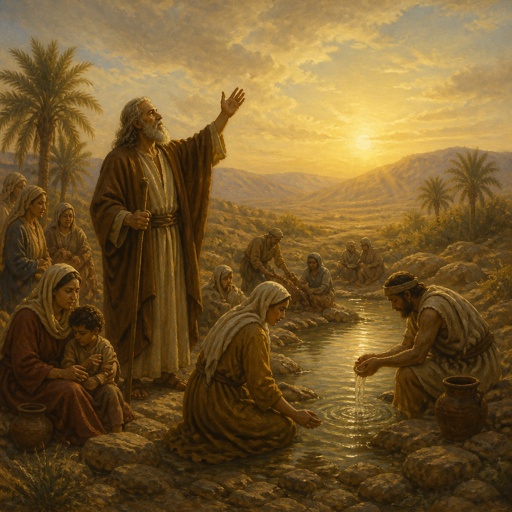
"And said, If thou wilt diligently hearken to the voice of the LORD thy God, and wilt do that which is right in his sight, and wilt give ear to his commandments, and keep all his statutes, I will put none of these diseases upon thee, which I have brought upon the Egyptians: for I am the LORD that healeth thee." - Exodus 15:26

Exodus 26:15 - "¶ And thou shalt make boards for the tabernacle of shittim wood standing up."
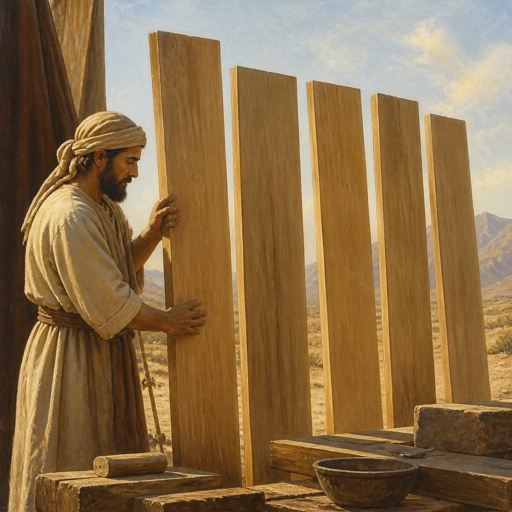
"¶ And thou shalt make boards for the tabernacle of shittim wood standing up." - Exodus 26:15

exodus 26:1

Exodus 26:30

Exodus 26:31

Exodus 26:31

Exodus 26:31

exodus 26:1

Exodus 26:26 - "¶ And thou shalt make bars of shittim wood; five for the boards of the one side of the tabernacle,"

Exodus 26:31-33

exodus 15

Isa 26:15

Matthew 26:15

Matthew 26:15

Exodus 15:22

Exodus 15:23

Exodus 15:5
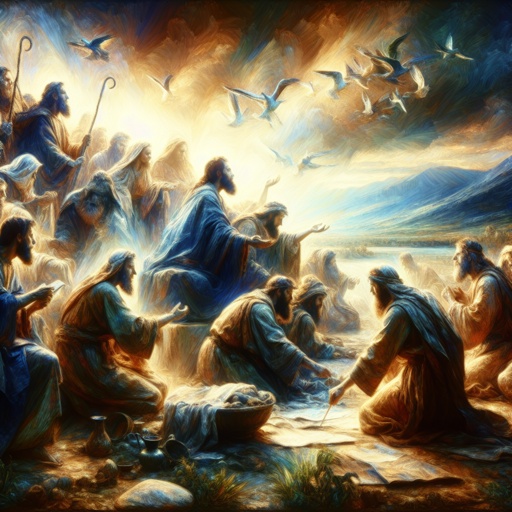
Exodus 15:23

Exodus 15:21

Joshua 15:26 - "Amam, and Shema, and Moladah,"

Exodus 30:26 - "And thou shalt anoint the tabernacle of the congregation therewith, and the ark of the testimony,"

Exodus 40:26 - "¶ And he put the golden altar in the tent of the congregation before the vail:"

Exodus 26:20 - "And for the second side of the tabernacle on the north side there shall be twenty boards:"

Exodus 26:22 - "And for the sides of the tabernacle westward thou shalt make six boards."

Exodus 9:26 - "Only in the land of Goshen, where the children of Israel were, was there no hail."

John 15:26 NLT

Exodus 26:23 - "And two boards shalt thou make for the corners of the tabernacle in the two sides."

Exodus 20:15 - "Thou shalt not steal."