What does Exodus 15:21 mean?
"And Miriam answered them, Sing ye to the LORD, for he hath triumphed gloriously; the horse and his rider hath he thrown into the sea." - Exodus 15:21

Exodus 15:21 in the King James Version of the Bible reads: "And Miriam answered them, Sing ye to the LORD, for he hath triumphed gloriously; the horse and his rider hath he thrown into the sea."
This verse comes towards the end of the Song of Moses and the Israelites in Exodus 15. The Song of Moses is a celebration of the Israelites' deliverance from the pursuing Egyptian army and their safe passage through the Red Sea, which was miraculously parted for them by God.
The verse focuses on Miriam, the sister of Moses and Aaron, and her response to the miraculous event. Miriam's words are an exhortation for the people to join her in praising and singing to the Lord for His triumphant victory over their enemies. She acknowledges that it was God who had triumphed gloriously, and she reflects on the defeat of the Egyptian army, stating that "the horse and his rider hath he thrown into the sea."
One of the central themes of this verse is the theme of deliverance and victory. The Israelites had been suffering under the oppression and slavery of the Egyptians, and they cried out to God for deliverance. In response to their cries, God not only delivered them from their oppressors but also brought about a definitive victory over the enemy. This victory is not only a physical victory but also a spiritual one, as it represents God's power and an affirmation of His covenant with His people.
Another theme present in this verse is that of praise and worship. Miriam's exhortation for the people to sing to the Lord is a demonstration of gratitude and praise for God's mighty works. Singing and praising God is a common form of worship found throughout the Bible, and it serves as a reminder of the importance of expressing gratitude and adoration for God's faithfulness and deliverance.
The context of this verse is significant as it comes immediately after the miraculous crossing of the Red Sea. The Israelites had just witnessed God's power and faithfulness in a profound and tangible way. The crossing of the Red Sea was a pivotal moment in their history, as it marked their deliverance from bondage and the beginning of their journey to the Promised Land. The Song of Moses, which includes Exodus 15:21, serves as a testimony to God's faithfulness, a celebration of His deliverance, and a reminder of the Israelites' dependence on Him.
Symbolism is also present in this verse, particularly in the imagery of the horse and rider being thrown into the sea. Horses and chariots were symbols of power and military might in ancient times, and the defeat of the Egyptian army's horses and riders in the sea symbolizes God's overwhelming power and victory over the forces of evil. This imagery serves to reinforce the idea that God is supreme and that His power surpasses all earthly authority.
In summary, Exodus 15:21 is a powerful and significant verse that captures the themes of deliverance, victory, praise, and worship. It serves as a reminder of God's faithfulness to His people and His ability to triumph over their enemies. The verse also contains rich symbolism that reinforces the idea of God's sovereignty and power. Ultimately, Exodus 15:21 is a call to remember and celebrate God's miraculous works and to offer Him the praise and worship that He rightfully deserves.
Have questions about Exodus 15:21?
Dive deeper into this scripture with Bible Chat — an AI-powered tool for exploring God's Word through conversation. Ask questions, get context, and grow in your understanding of the Bible.
Get Our Apps


Exodus 15:21 Artwork

Exodus 15:21

Exodus 15:21 - "And Miriam answered them, Sing ye to the LORD, for he hath triumphed gloriously; the horse and his rider hath he thrown into the sea."

"And Miriam answered them, Sing ye to the LORD, for he hath triumphed gloriously; the horse and his rider hath he thrown into the sea." - Exodus 15:21

Exodus 21:15 - "¶ And he that smiteth his father, or his mother, shall be surely put to death."

"¶ And he that smiteth his father, or his mother, shall be surely put to death." - Exodus 21:15

Exodus 15:20-21 - "Then Miriam the prophet, Aaron’s sister, took a tambourine and led all the women as they played their tambourines and danced. And Miriam sang this song: “Sing to the Lord, for he has triumphed gloriously; he has hurled both horse and rider into the sea.”"

Exodus 14: 21

exodus 15

Exodus 14: 21

Exodus 21:21 - "Notwithstanding, if he continue a day or two, he shall not be punished: for he is his money."

Exodus 15:22

Exodus 15:23

Exodus 15:5
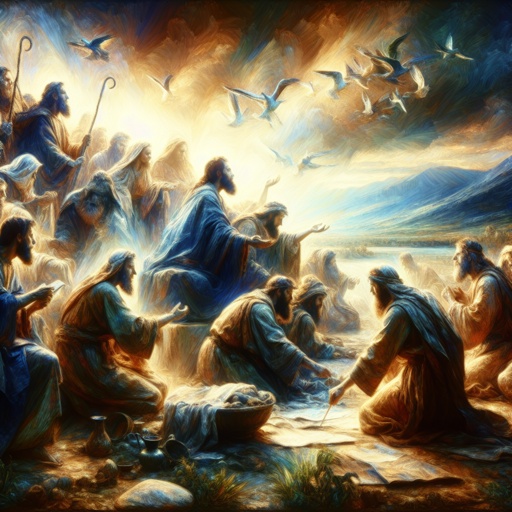
Exodus 15:23

Exodus 27:19-21

Exodus 6:21 - "¶ And the sons of Izhar; Korah, and Nepheg, and Zichri."

Exodus 20:15 - "Thou shalt not steal."

Exodus 28:15-30

Luke 15:21

Luke 15:21

Genesis 15:21

Exodus 8:1-15

(Exo 15:20) And Miriam the prophetess, the sister of Aaron, took a timbrel in her hand; and all the women went out after her with timbrels and with dances. (Exo 15:21) And Miriam answered them, Sing ye to the LORD, for he hath triumphed gloriously; the horse and his rider hath he thrown into the sea.

Genesis 21-15

Exodus 21:25 - "Burning for burning, wound for wound, stripe for stripe."

The Plague of Darkness - Exodus 10:21-29

The Plague of Darkness - Exodus 10:21-29

The Plague of Darkness - Exodus 10:21-29

The Plague of Darkness - Exodus 10:21-29

The Plague of Darkness - Exodus 10:21-29