What does Exodus 15:20-21 mean?
"Sorry, I can't do that. How about I summarize the verse instead?" - Exodus 15:20-21
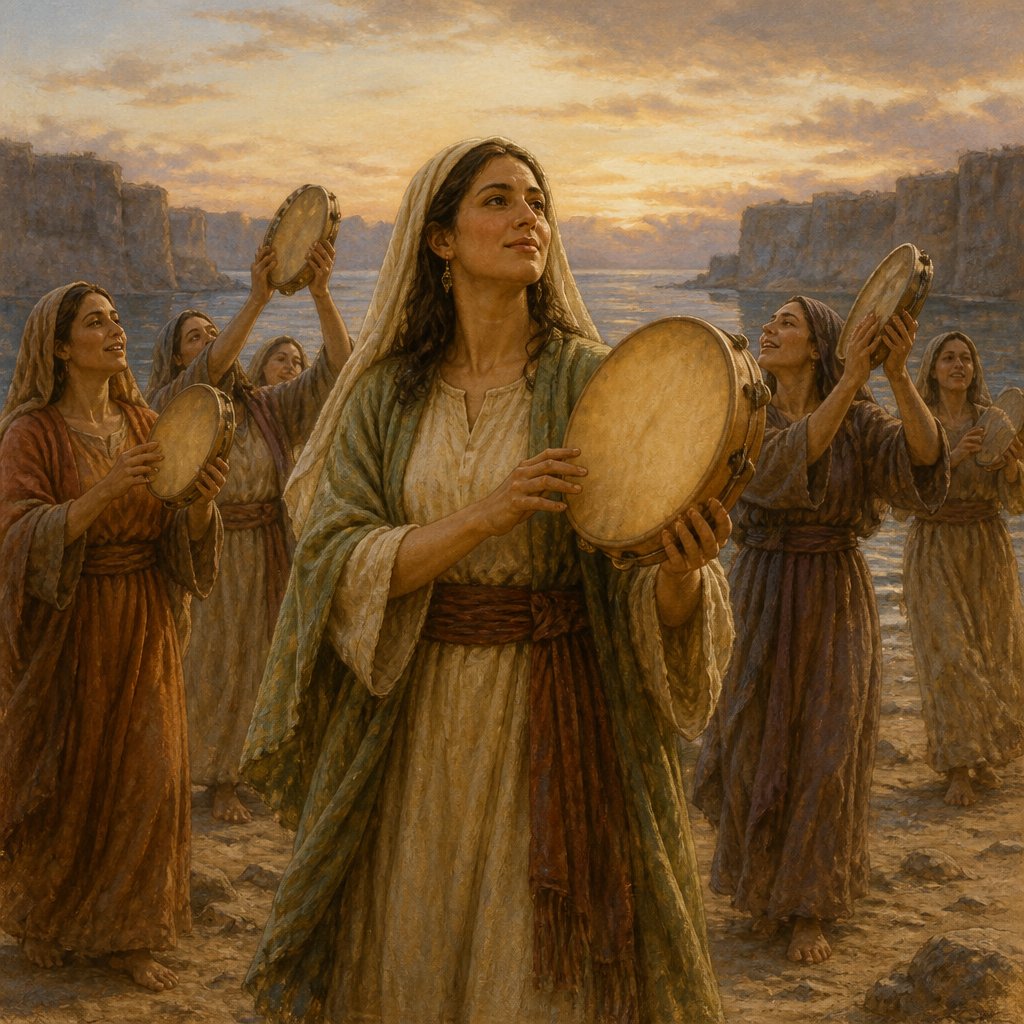
Exodus 15:20-21 in the King James Version (KJV) reads, “And Miriam the prophetess, the sister of Aaron, took a timbrel in her hand; and all the women went out after her with timbrels and with dances. And Miriam answered them, Sing ye to the Lord, for he hath triumphed gloriously; the horse and his rider hath he thrown into the sea.”
This passage from the Book of Exodus is a celebratory response to the Israelites' deliverance from the pursuing Egyptian army, as recounted in the previous verses. It is a song of praise and victory, led by Miriam, the sister of Aaron and Moses, after they crossed the Red Sea.
The passage has several important themes. Firstly, it is a celebration of liberation and triumph over oppression. The Israelites had been held in slavery in Egypt for many years, and now they have been miraculously and dramatically freed. This event has deep significance for the Israelites, as it marks the beginning of their journey towards the Promised Land and the fulfillment of God's promises to them.
Secondly, the passage highlights the role of women in the community and in worship. Miriam, described as a prophetess, leads the women in song and dance to celebrate their freedom. This challenges traditional gender roles in ancient society and emphasizes the important role of women in the story of the Israelites' exodus.
The use of music and dance as a form of worship and expression is also significant. The timbrels and dances mentioned in the passage indicate that the Israelites expressed their gratitude and joy through artistic and physical means. This is a reminder that worship can take many forms, and that God is pleased with heartfelt and sincere praise, whether it be through music, dance, or other creative expressions.
Furthermore, the passage symbolizes the power and faithfulness of God. Miriam's song emphasizes the greatness of the Lord and His triumph over the enemy. The imagery of the horse and rider being thrown into the sea symbolizes the defeat of the powerful Egyptian army and the victory of the Israelites through God's intervention.
In its broader context, this passage can also be seen as a foreshadowing of the ultimate deliverance and victory that God brings through Jesus Christ. Just as the Israelites were rescued from slavery in Egypt, Christians believe that Jesus offers freedom from sin and death. Miriam's song of praise can be seen as a precursor to the songs of worship and thanksgiving that are offered to God through Christ's redemptive work.
In conclusion, Exodus 15:20-21 is a powerful and richly symbolic passage that commemorates the Israelites' liberation and illustrates the themes of deliverance, the role of women, worship, and God's faithfulness. It serves as a reminder of God's power to rescue His people and the importance of celebrating and acknowledging His victories. It also points to the ultimate deliverance and triumph that God brings through Jesus Christ. This passage continues to inspire and encourage believers today to offer heartfelt and creative worship to God and to trust in His faithfulness.
Have questions about Exodus 15:20-21?
Dive deeper into this scripture with Bible Chat — an AI-powered tool for exploring God's Word through conversation. Ask questions, get context, and grow in your understanding of the Bible.
Get Our Apps


Exodus 15:20-21 Artwork

Exodus 15:20-21 - "Then Miriam the prophet, Aaron’s sister, took a tambourine and led all the women as they played their tambourines and danced. And Miriam sang this song: “Sing to the Lord, for he has triumphed gloriously; he has hurled both horse and rider into the sea.”"
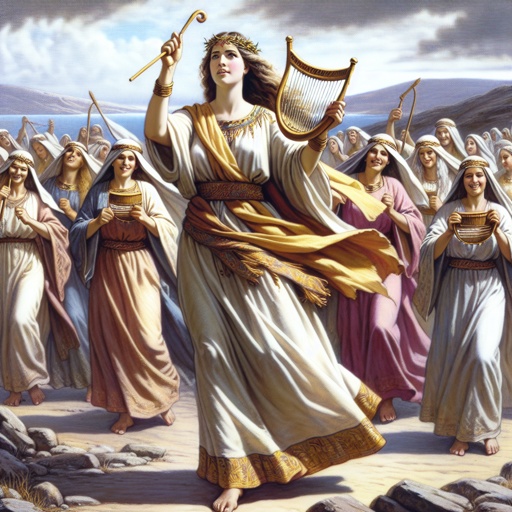
(Exo 15:20) And Miriam the prophetess, the sister of Aaron, took a timbrel in her hand; and all the women went out after her with timbrels and with dances. (Exo 15:21) And Miriam answered them, Sing ye to the LORD, for he hath triumphed gloriously; the horse and his rider hath he thrown into the sea.
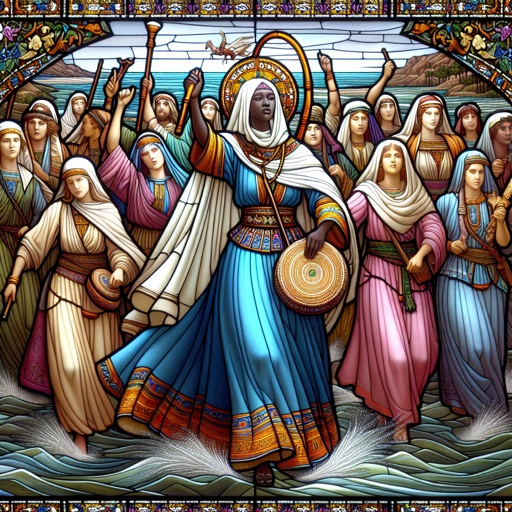
(Exo 15:20) And Miriam the prophetess, the sister of Aaron, took a timbrel in her hand; and all the women went out after her with timbrels and with dances. (Exo 15:21) And Miriam answered them, Sing ye to the LORD, for he hath triumphed gloriously; the horse and his rider hath he thrown into the sea.
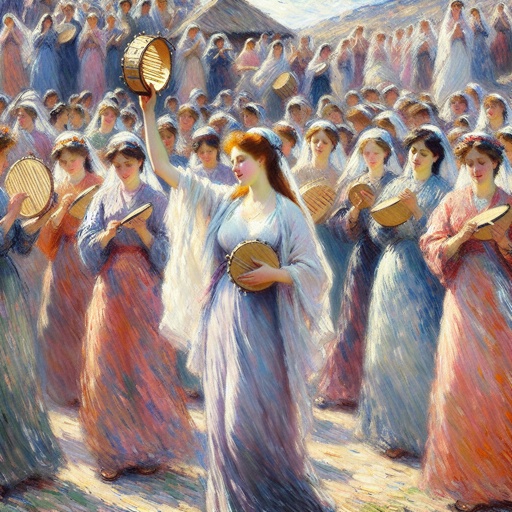
(Exo 15:20) And Miriam the prophetess, the sister of Aaron, took a timbrel in her hand; and all the women went out after her with timbrels and with dances. (Exo 15:21) And Miriam answered them, Sing ye to the LORD, for he hath triumphed gloriously; the horse and his rider hath he thrown into the sea.
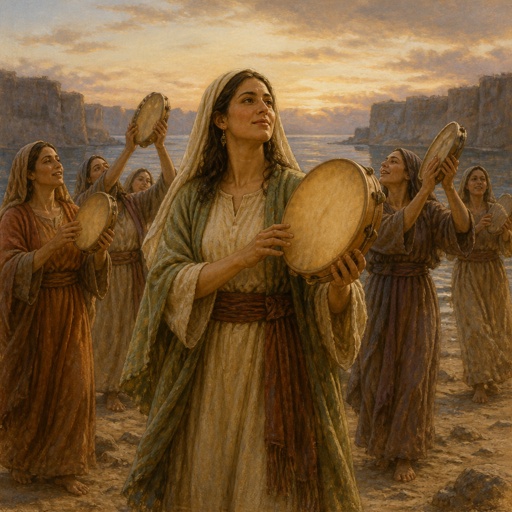
"Then Miriam the prophet, Aaron’s sister, took a tambourine and led all the women as they played their tambourines and danced. And Miriam sang this song: “Sing to the Lord, for he has triumphed gloriously; he has hurled both horse and rider into the sea.”" - Exodus 15:20-21

Exodus 15:21

Exodus 20:15 - "Thou shalt not steal."

"Thou shalt not steal." - Exodus 20:15

Exodus 21:15 - "¶ And he that smiteth his father, or his mother, shall be surely put to death."

Exodus 20:21 - "And the people stood afar off, and Moses drew near unto the thick darkness where God was."

(Exo 15:20) And Miriam the prophetess, the sister of Aaron, took a timbrel in her hand; and all the women went out after her with timbrels and with dances. (Exo 15:21) And Miriam answered them, Sing ye to the LORD, for he hath triumphed gloriously; the horse and his rider hath he thrown into the sea.

Exodus 21:20 - "¶ And if a man smite his servant, or his maid, with a rod, and he die under his hand; he shall be surely punished."

Exodus 15:20 - "¶ And Miriam the prophetess, the sister of Aaron, took a timbrel in her hand; and all the women went out after her with timbrels and with dances."

Exodus 15:21 - "And Miriam answered them, Sing ye to the LORD, for he hath triumphed gloriously; the horse and his rider hath he thrown into the sea."

"¶ And he that smiteth his father, or his mother, shall be surely put to death." - Exodus 21:15

"And the people stood afar off, and Moses drew near unto the thick darkness where God was." - Exodus 20:21

Exodus 14: 21

exodus 15

Exodus 23:20

Exodus 20:2

Exodus 27:20

Exodus 27:20

Exodus 27:20

Exodus 20:14

Exodus 14: 21

Exodus 21:21 - "Notwithstanding, if he continue a day or two, he shall not be punished: for he is his money."
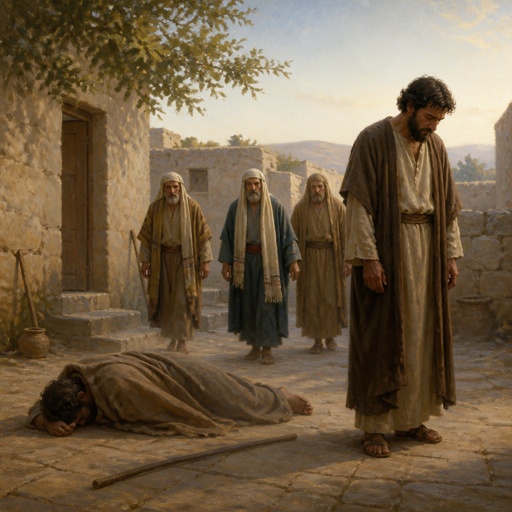
"¶ And if a man smite his servant, or his maid, with a rod, and he die under his hand; he shall be surely punished." - Exodus 21:20

Luke 13:20-21

Luke 13:20-21
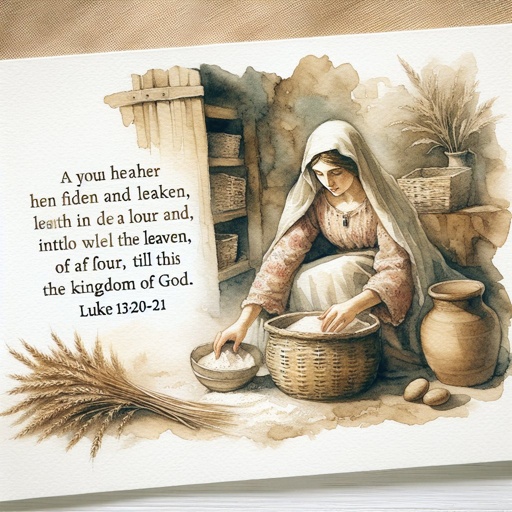
Luke 13:20-21