What does Exodus 13:11 mean?
"¶ And it shall be when the LORD shall bring thee into the land of the Canaanites, as he sware unto thee and to thy fathers, and shall give it thee," - Exodus 13:11
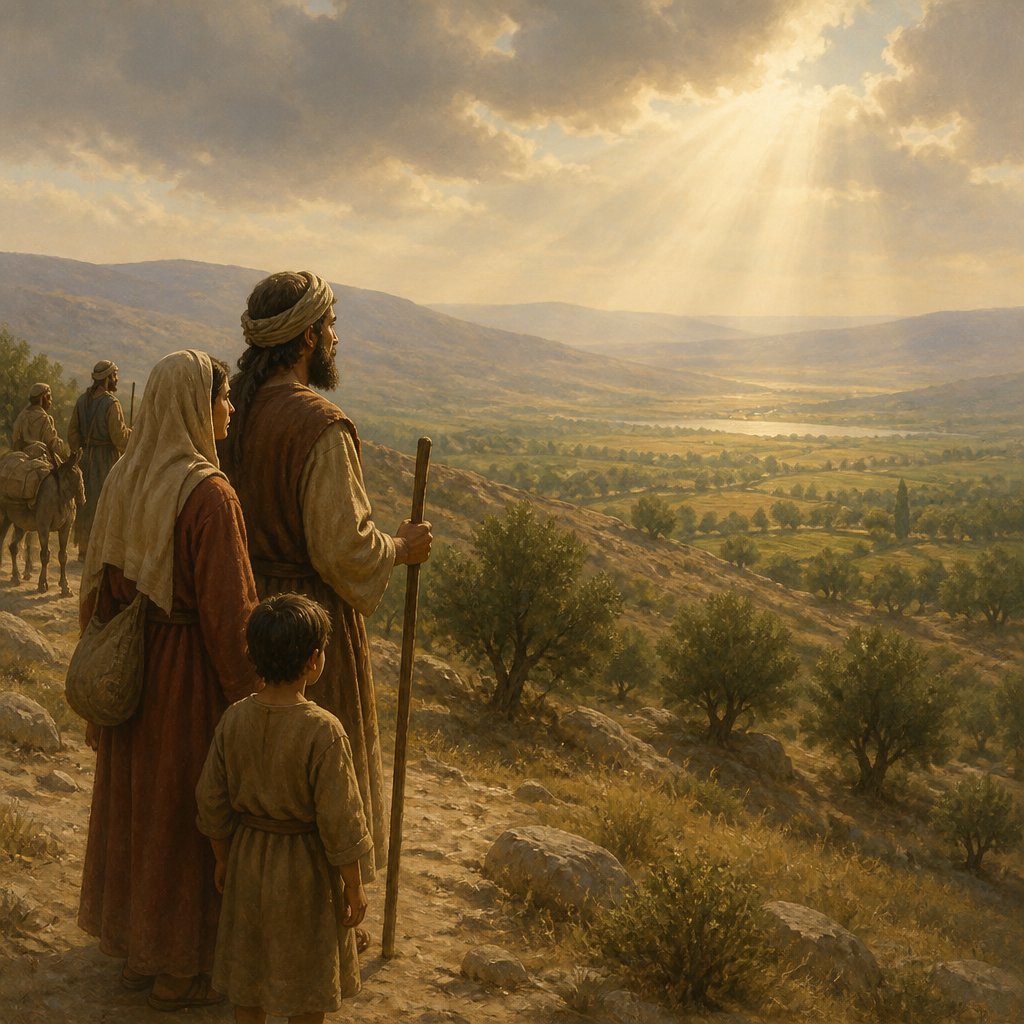
Exodus 13:11 (KJV) states, "And it shall be when the Lord shall bring thee into the land of the Canaanites, as he sware unto thee and to thy fathers, and shall give it thee." This verse comes from the book of Exodus in the Old Testament, which details the Israelites' escape from slavery in Egypt and their journey to the Promised Land.
The verse is part of a broader narrative in which God commands the Israelites to consecrate to Him every firstborn male, whether human or animal. This act of consecration symbolizes the Israelites' gratitude and commitment to God for delivering them from slavery and leading them to the land He had promised them.
The verse highlights the theme of fulfillment of God's promises. Throughout the Bible, God makes numerous promises to His people, and the fulfillment of these promises is a recurring theme. In this particular verse, God reminds the Israelites that He will bring them into the land of the Canaanites, as He had promised to their forefathers. This serves as a reminder of God's faithfulness and reliability in keeping His word.
The context of the verse is crucial for understanding its significance. The Israelites had been enslaved in Egypt for generations when God raised up Moses to lead them out of bondage. Through a series of miraculous events and plagues, God demonstrated His power and delivered the Israelites from oppression. The journey to the Promised Land was a central part of God's plan for His chosen people, and Exodus 13:11 serves as a reminder of the ultimate destination and fulfillment of God's promise to give them the land of the Canaanites.
Furthermore, the verse underscores the theme of obedience and gratitude. God expected the Israelites to honor Him by consecrating every firstborn male to Him. This act required trust and obedience on the part of the Israelites, as it symbolized their acknowledgment of God's sovereignty and provision. By consecrating their firstborn to God, the Israelites expressed their gratitude for God's deliverance and their commitment to following His commands.
The symbolism in this verse is profound and multi-layered. The land of the Canaanites represents the fulfillment of God's promise and the blessings that He bestows on His people. It is a physical manifestation of the faithfulness and goodness of God. The act of consecrating the firstborn symbolizes the Israelites' recognition of God's redemption and provision, as well as their willingness to submit to His authority.
Moreover, the verse foreshadows the coming of Jesus Christ and His redemptive work. The concept of the firstborn being consecrated to God is significant in light of Jesus being referred to as the "firstborn over all creation" in Colossians 1:15. As the ultimate fulfillment of God's promise to His people, Jesus embodies the symbolism of consecration and redemption, providing a profound connection between the Old and New Testaments.
In conclusion, Exodus 13:11 is a rich and insightful verse that encapsulates themes of fulfillment, obedience, and gratitude. It serves as a reminder of God's faithfulness in fulfilling His promises and highlights the significance of consecration as an act of devotion and acknowledgment of God's provision. The verse also holds profound symbolism that points to the ultimate fulfillment of God's promise in the person of Jesus Christ. As believers, we can draw encouragement from this verse and the broader narrative of Exodus, knowing that God is faithful to fulfill His promises and lead us to our ultimate destination in Him.
Have questions about Exodus 13:11?
Dive deeper into this scripture with Bible Chat — an AI-powered tool for exploring God's Word through conversation. Ask questions, get context, and grow in your understanding of the Bible.
Get Our Apps


Exodus 13:11 Artwork
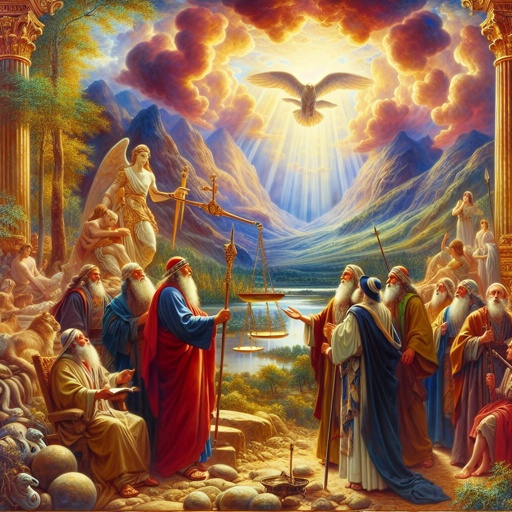
Exodus 13:11 - "¶ And it shall be when the LORD shall bring thee into the land of the Canaanites, as he sware unto thee and to thy fathers, and shall give it thee,"
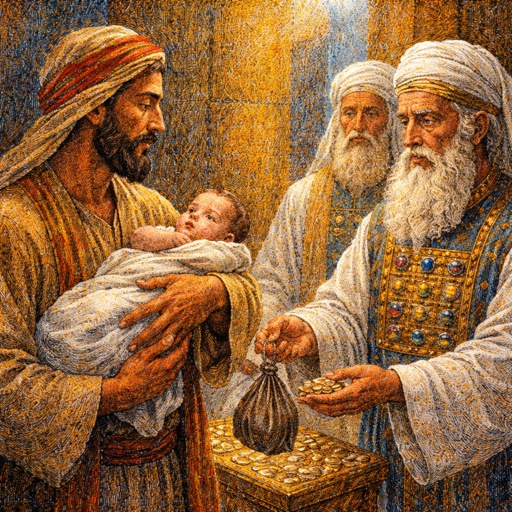
in the context of Exodus 13:11-15, draw an image of a man presenting his firstborn infant son to the priests, and giving him a sum of money in order to redeem the child.
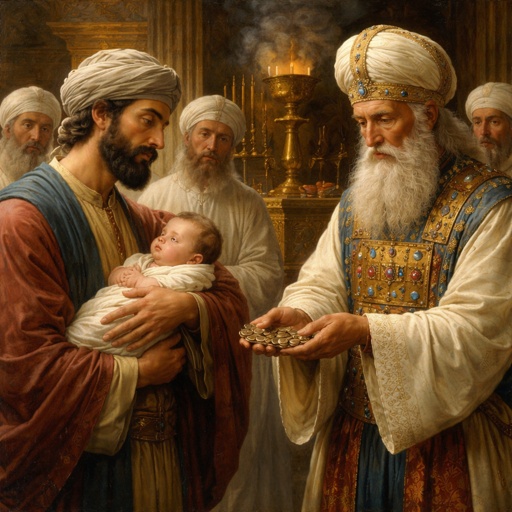
in the context of Exodus 13:11-15, draw an image of a man presenting his firstborn infant son to the priests, and giving him a sum of money in order to redeem the child.
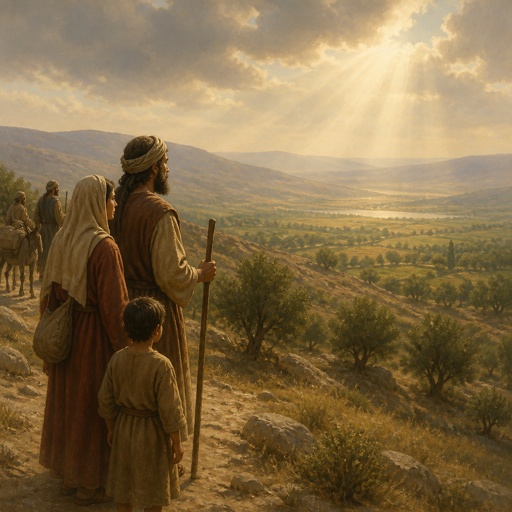
"¶ And it shall be when the LORD shall bring thee into the land of the Canaanites, as he sware unto thee and to thy fathers, and shall give it thee," - Exodus 13:11
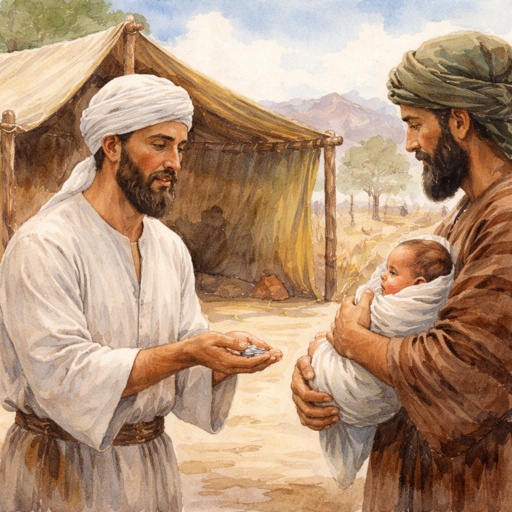
In the context of Exodus 13:11-15, draw an image of a man presenting his firstborn infant son to one of the Levitical priests, and giving him five silver coins in order to redeem the child. He gives the money to a normal priest (not the high priest) who is dressed in plain white linen clothes with a simple white turban on his head. The setting is just outside the tabernacle in the wilderness.
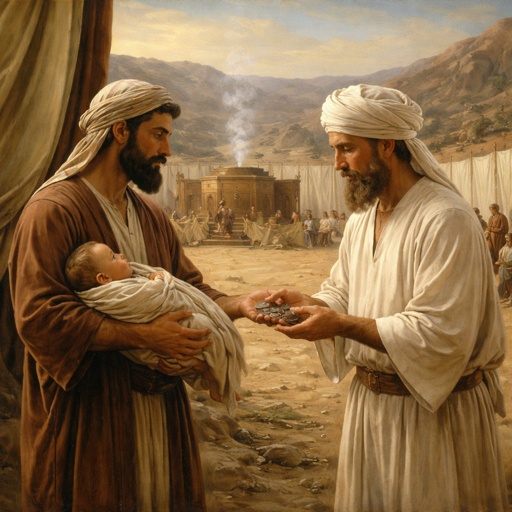
In the context of Exodus 13:11-15, draw an image of a man presenting his firstborn infant son to one of the Levitical priests, and giving him five silver coins in order to redeem the child. He gives the money to a normal priest (not the high priest) who is dressed in plain white linen clothes with a simple white turban on his head. The setting is just outside the tabernacle in the wilderness.
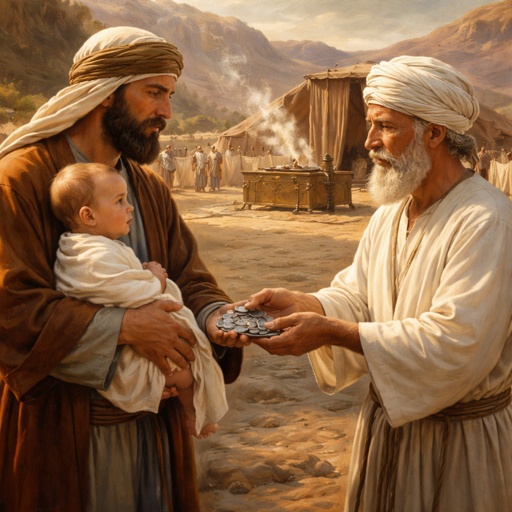
In the context of Exodus 13:11-15, draw an image of a man presenting his firstborn infant son to one of the Levitical priests, and giving him five silver coins in order to redeem the child. He gives the money to a normal priest (not the high priest) who is dressed in plain white linen clothes with a simple white turban on his head. The setting is just outside the tabernacle in the wilderness.
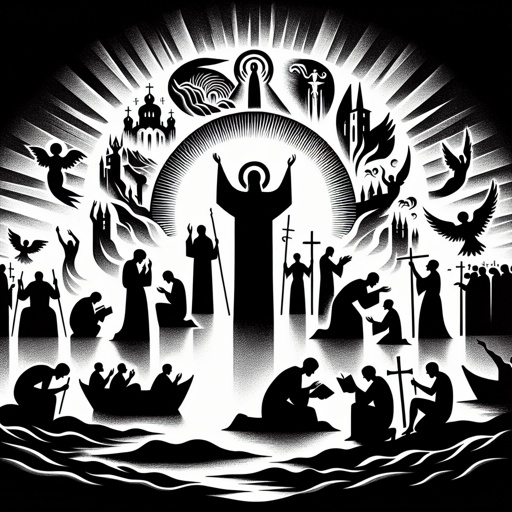
Psalm 1:1-3
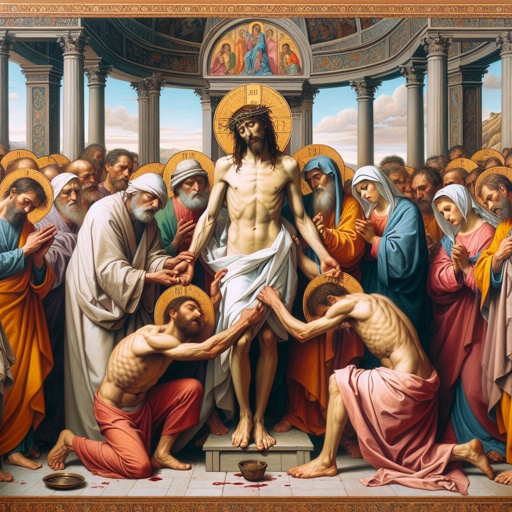
Pain 1:1-3

Exodus 14:13

Exodus 14:13

Exodus 14:13

Exodus 14:13

Exodus 14:13

Exodus 14:13

Exodus 14:13
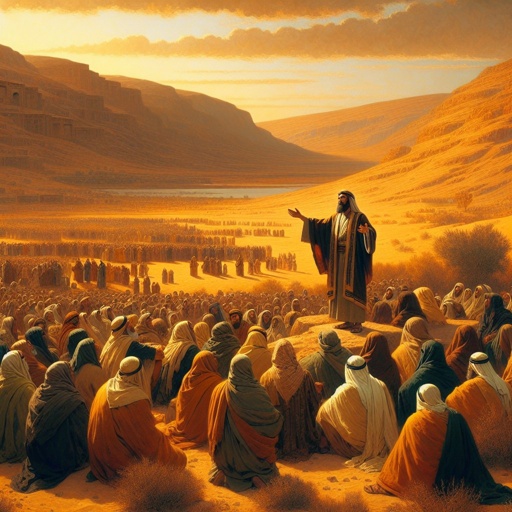
Exodus 14:13

Exodus 14:13

Exodus 14:13
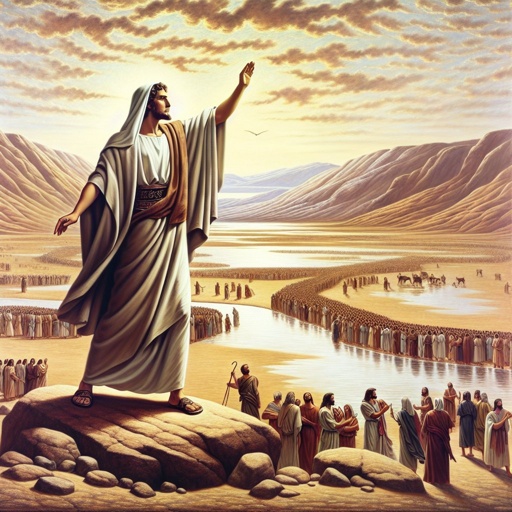
Exodus 14:13
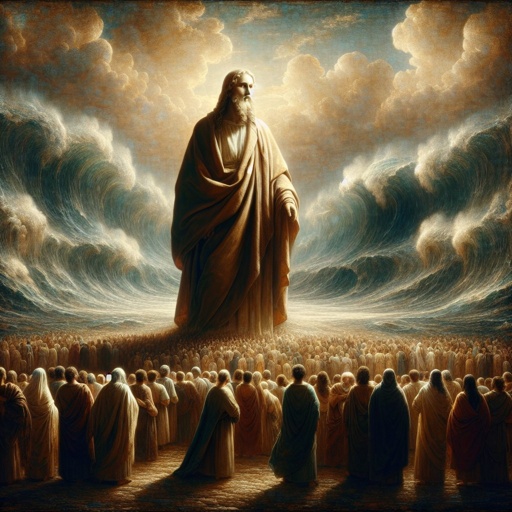
Exodus 14:13
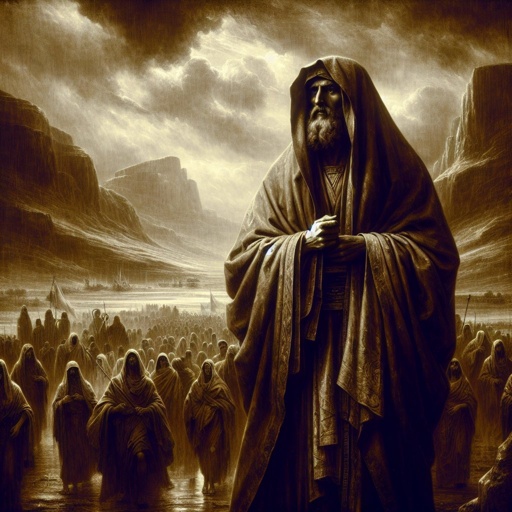
Exodus 14:13
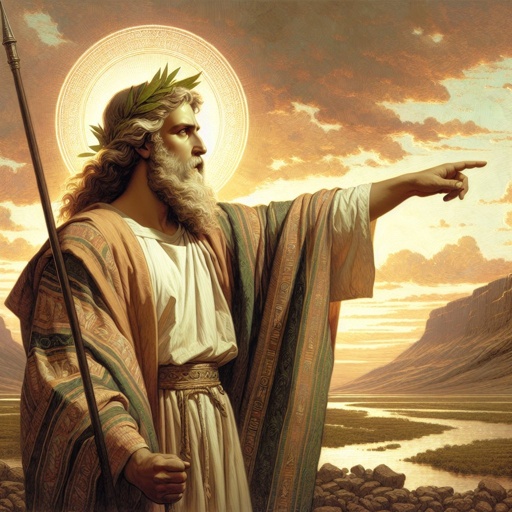
Exodus 14:13

Exodus 14:13

Exodus 14:13

Exodus 14:13

Exodus 14:13

Exodus 14:13
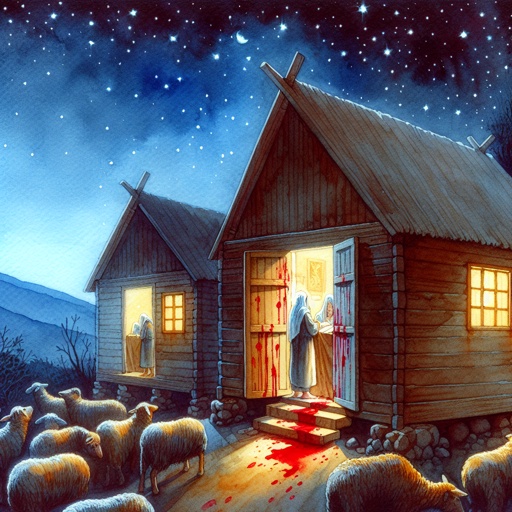
Exodus 12:13

Exodus 14:13