What does Exodus 10:7 mean?
"And Pharaoh's servants said unto him, How long shall this man be a snare unto us? let the men go, that they may serve the LORD their God: knowest thou not yet that Egypt is destroyed?" - Exodus 10:7

Exodus 10:7 in the King James Version of the Bible reads, “And Pharaoh's servants said unto him, How long shall this man be a snare unto us? let the men go, that they may serve the Lord their God: knowest thou not yet that Egypt is destroyed?”
This verse comes within the context of the story of the ten plagues that were brought upon Egypt to persuade Pharaoh to release the Israelites from their slavery. In this specific verse, we see Pharaoh's servants urging him to let the Israelite men go so that they may serve the Lord their God. They express their concern that Egypt is being destroyed as a result of Pharaoh's stubbornness.
The themes and symbolism present in this verse are significant and provide insight into the broader message of the biblical narrative in Exodus. One of the central themes is the idea of obedience to God and the consequences of disobedience. Throughout the story, Pharaoh's refusal to heed the warnings of God through Moses leads to increasing devastation and suffering for the nation of Egypt. The plagues represent the judgment of God and his power over all creation. The message is clear: those who disobey God will face the consequences of their actions.
The verse also emphasizes the idea of serving the Lord and the importance of worship. The Israelites were not simply asking for freedom to escape their bondage, but rather to serve and worship their God. This reflects the deeper significance of freedom in a religious context—the freedom to live according to one's faith and to honor and obey God.
The symbolism of Egypt being destroyed carries a dual meaning. It serves as a warning to Pharaoh and the Egyptians that their continued defiance of God will lead to their own downfall. But it also symbolizes the spiritual destruction that comes from rejecting God and his will. The biblical narrative emphasizes the spiritual consequences of sin and disobedience, and the ultimate need for repentance and redemption.
Another important thematic element in this verse is the idea of accountability and the role of leaders. Pharaoh, as the ruler of Egypt, bears the responsibility for the suffering of his people as a result of his actions. His refusal to release the Israelites demonstrates his lack of concern for their well-being and the well-being of his own nation. This theme resonates throughout the Bible, highlighting the importance of leadership and the impact of leaders' decisions on the lives of their people.
As a whole, Exodus 10:7 reflects the fundamental message of the biblical narrative—the call to obedience, worship, and service to God, and the consequences of disobedience and sin. It also underscores the importance of leadership, accountability, and the spiritual dimensions of freedom and liberation.
In a broader theological context, this verse points to the nature of God as a just and righteous judge, as well as a loving and merciful savior. The plagues and the subsequent liberation of the Israelites from their bondage in Egypt demonstrate the power and sovereignty of God, as well as his compassion and faithfulness to his people. It serves as a powerful reminder of the importance of faith and obedience in the face of adversity, and the promise of redemption and deliverance through God's grace.
In conclusion, Exodus 10:7 is a pivotal verse in the biblical narrative of the ten plagues and the liberation of the Israelites from Egypt. It encompasses significant themes of obedience, worship, leadership, and the consequences of sin and disobedience. The verse serves as a powerful reflection on the nature of God and the spiritual implications of human actions, and it continues to resonate with believers as a timeless reminder of the call to faithfulness and the promise of redemption.
Have questions about Exodus 10:7?
Dive deeper into this scripture with Bible Chat — an AI-powered tool for exploring God's Word through conversation. Ask questions, get context, and grow in your understanding of the Bible.
Get Our Apps


Exodus 10:7 Artwork

Exodus 10:7 - "And Pharaoh's servants said unto him, How long shall this man be a snare unto us? let the men go, that they may serve the LORD their God: knowest thou not yet that Egypt is destroyed?"

"And Pharaoh's servants said unto him, How long shall this man be a snare unto us? let the men go, that they may serve the LORD their God: knowest thou not yet that Egypt is destroyed?" - Exodus 10:7

Exodus 7:10

Exodus 7:10

Exodus Chapter 7 Verses 8-10

Exodus 7:10 The Lord’s power defeating pharaoh’s magicians.

Exodus 7:10 Aaron’s staff eating pharaoh’s serpents

Exodus 7:10 - "¶ And Moses and Aaron went in unto Pharaoh, and they did so as the LORD had commanded: and Aaron cast down his rod before Pharaoh, and before his servants, and it became a serpent."

Exodus 10:12
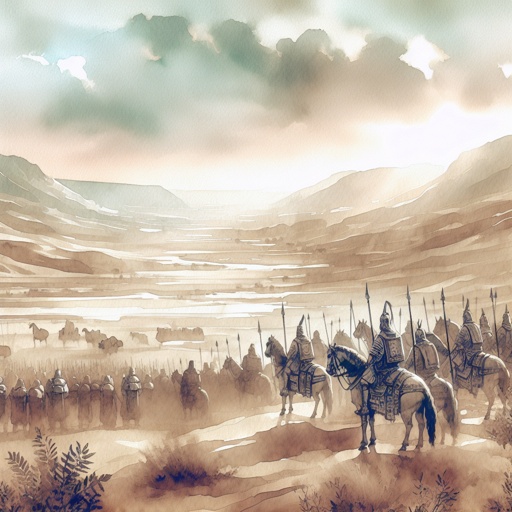
Exodus 17:10

Exodus 10:12

Exodus 10:12

Exodus 12:7

Exodus 12:7

Exodus 25:10-22

Exodus 7:14-24

Exodus 6:10 - "And the LORD spake unto Moses, saying,"

Exodus 7:7 - "And Moses was fourscore years old, and Aaron fourscore and three years old, when they spake unto Pharaoh."

Exodus 25:7 - "Onyx stones, and stones to be set in the ephod, and in the breastplate."

Exodus 10:18 - "And he went out from Pharaoh, and intreated the LORD."

The Plague of Locusts - Exodus 10:1-20

The Plague of Darkness - Exodus 10:21-29

The Plague of Locusts - Exodus 10:1-20

The Plague of Darkness - Exodus 10:21-29

The Plague of Darkness - Exodus 10:21-29

The Plague of Darkness - Exodus 10:21-29

The Plague of Darkness - Exodus 10:21-29

The Plague of Darkness - Exodus 10:21-29

The Plague of Locusts - Exodus 10:1-20

The Plague of Darkness - Exodus 10:21-29