What does Exodus 10:12 mean?
"¶ And the LORD said unto Moses, Stretch out thine hand over the land of Egypt for the locusts, that they may come up upon the land of Egypt, and eat every herb of the land, even all that the hail hath left." - Exodus 10:12
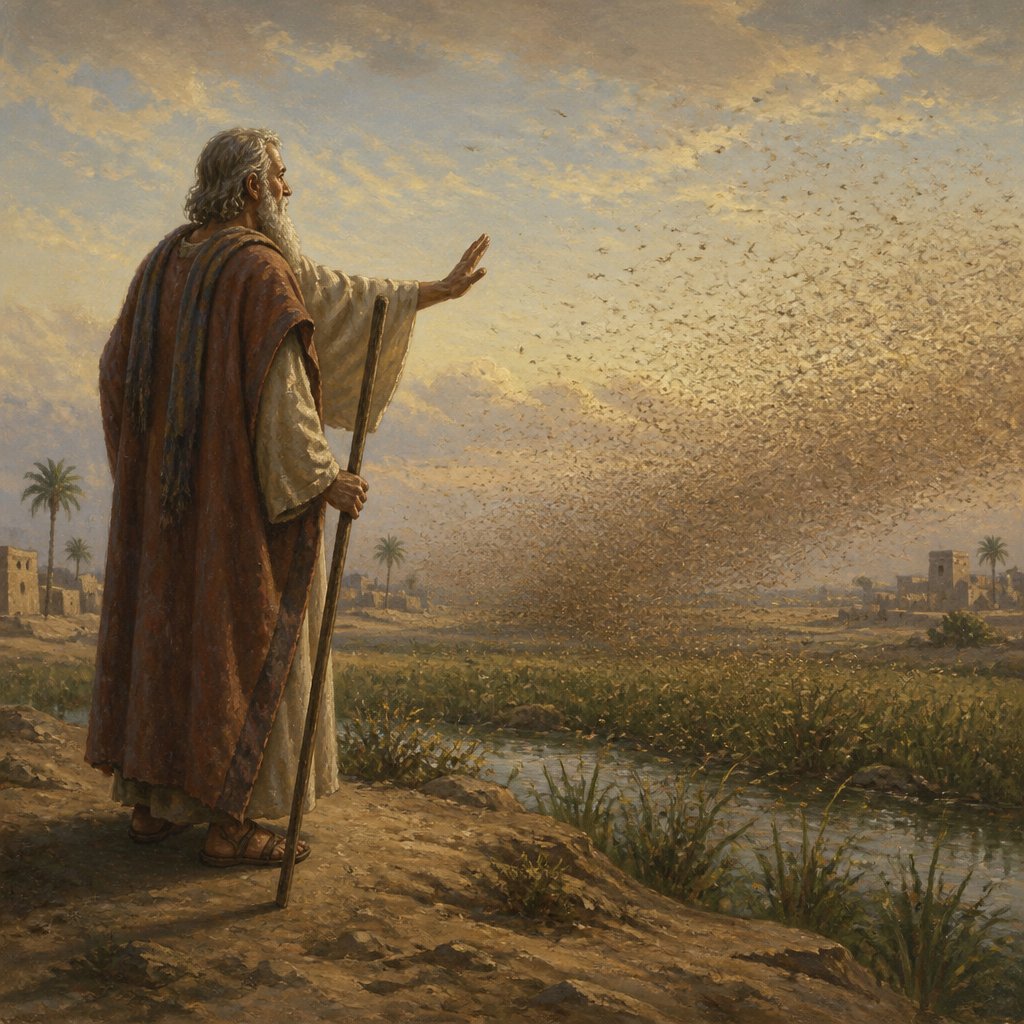
Exodus 10:12 in the King James Version of the Bible reads, "And the Lord said unto Moses, Stretch out thine hand over the land of Egypt for the locusts, that they may come up upon the land of Egypt, and eat every herb of the land, even all that the hail hath left."
This verse is part of the narrative in the book of Exodus, which details the liberation of the Israelites from slavery in Egypt. The context of this particular verse is the eighth plague that God sends upon Egypt as a judgment for Pharaoh's refusal to let the Israelites go. In this plague, God commands Moses to stretch out his hand to bring a swarm of locusts upon the land, destroying the remaining crops and vegetation that were spared from the previous plague of hail.
One of the key themes in this verse is the sovereignty and judgment of God. Throughout the book of Exodus, God displays His power and authority over the natural elements and the rulers of the earth. The plagues that God inflicts upon Egypt are not only a demonstration of His power but also a response to Pharaoh's pride and refusal to acknowledge the God of Israel. The locust plague, in particular, is a direct judgment on the land and the people, as it destroys their crops and livelihood.
Another important theme in this verse is the concept of obedience. God instructs Moses to stretch out his hand in order to bring about the locust plague. Moses' obedience to God's command is a recurring theme throughout the book of Exodus and is a fundamental aspect of his role as a leader and mediator between God and the Israelites. In this instance, Moses's obedience is critical in carrying out God's will and fulfilling His purpose in the world.
The symbolism in this verse is also significant. The plague of locusts is a symbol of destruction and devastation. In the ancient Near East, locust swarms were feared as a destructive force that could quickly decimate crops and bring famine upon the land. In the context of the Exodus narrative, the locusts symbolize God's judgment and the consequences of disobedience. The devastation caused by the locusts serves as a visual and tangible sign of God's power and as a warning to Pharaoh and the Egyptians.
Furthermore, this verse highlights the contrast between the obedience of Moses and the stubbornness of Pharaoh. While Moses obeys God's command and stretches out his hand, Pharaoh continues to resist and ignore the signs of God's power, bringing further suffering upon himself and his people.
In conclusion, Exodus 10:12 from the King James Version of the Bible is a powerful testament to the sovereignty and judgment of God, the importance of obedience to His will, and the symbolic significance of the locust plague in the context of the Exodus narrative. This verse serves as a reminder of the consequences of pride and disobedience, as well as a testament to the power and authority of God over all creation.
Have questions about Exodus 10:12?
Dive deeper into this scripture with Bible Chat — an AI-powered tool for exploring God's Word through conversation. Ask questions, get context, and grow in your understanding of the Bible.
Get Our Apps


Exodus 10:12 Artwork

Exodus 10:12

Exodus 10:12

Exodus 10:12

Exodus 10:12 - "¶ And the LORD said unto Moses, Stretch out thine hand over the land of Egypt for the locusts, that they may come up upon the land of Egypt, and eat every herb of the land, even all that the hail hath left."
"¶ And the LORD said unto Moses, Stretch out thine hand over the land of Egypt for the locusts, that they may come up upon the land of Egypt, and eat every herb of the land, even all that the hail hath left." - Exodus 10:12

Exodus 12:10 - "And ye shall let nothing of it remain until the morning; and that which remaineth of it until the morning ye shall burn with fire."

Exodus 12:12

Exodus 3:12

Exodus 3:12

Exodus 3:12

Exodus 3:12

Exodus 3:12

Exodus 12:33

Exodus 12:7
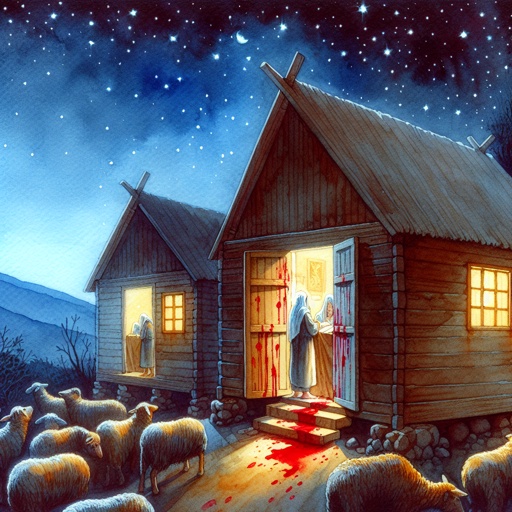
Exodus 12:13

Exodus 3:12

Exodus 3:12

Exodus 12:7

Exodus 7:10

Exodus 7:10
Exodus 17:10

Exodus 7:10-12 KJV (10) And Moses and Aaron went in unto Pharaoh, and they did so as the LORD had commanded: and Aaron cast down his rod before Pharaoh, and before his servants, and it became a serpent. (11) Then Pharaoh also called the wise men and the sorcerers: now the magicians of Egypt, they also did in like manner with their enchantments. (12) For they cast down every man his rod, and they became serpents: but Aaron's rod swallowed up their rods.
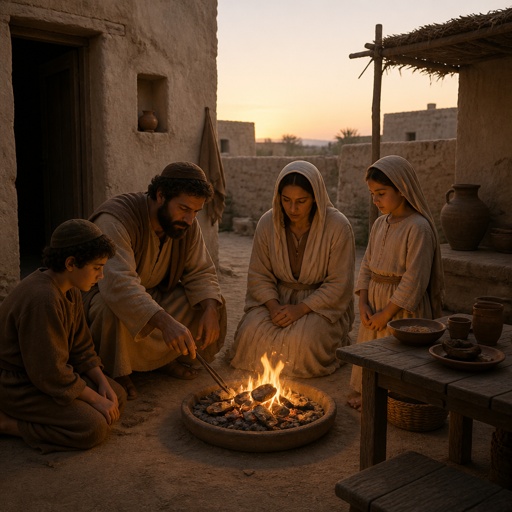
"And ye shall let nothing of it remain until the morning; and that which remaineth of it until the morning ye shall burn with fire." - Exodus 12:10

Exodus 12:1-19

Exodus 25:10-22

Ezra 10:10-12

Exodus 39:12 - "And the third row, a ligure, an agate, and an amethyst."

Exodus 31:12 - "¶ And the LORD spake unto Moses, saying,"

Exodus 12:47 - "All the congregation of Israel shall keep it."

Exodus 6:10 - "And the LORD spake unto Moses, saying,"