What does Esther 9:4 mean?
"For Mordecai was great in the king's house, and his fame went out throughout all the provinces: for this man Mordecai waxed greater and greater." - Esther 9:4
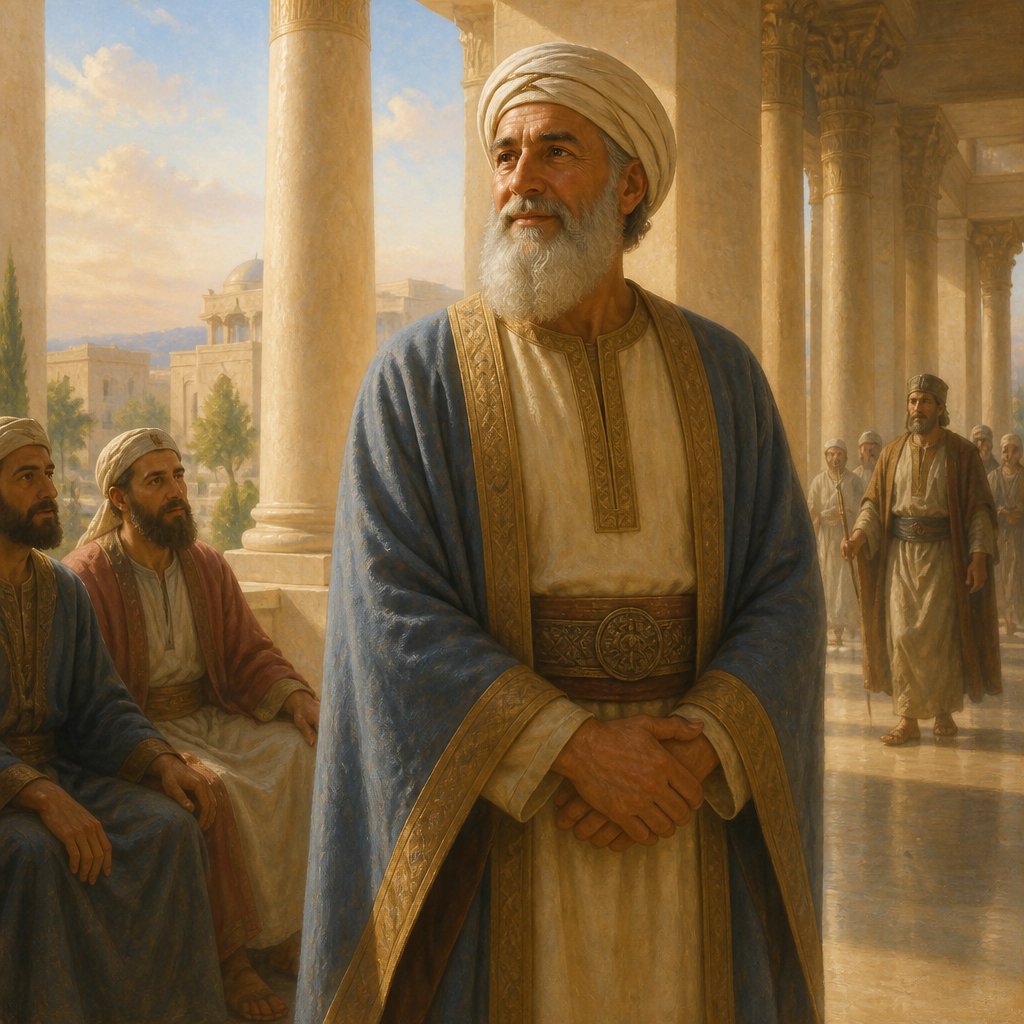
Esther 9:4 from the King James Version (KJV) of the Bible says, "For Mordecai was great in the king's house, and his fame went out throughout all the provinces: for this man Mordecai waxed greater and greater."
The book of Esther is a historical narrative that is set in the Persian Empire during the reign of King Xerxes (also known as Ahasuerus). The story revolves around a Jewish girl named Esther who becomes queen and, with the help of her uncle Mordecai, saves her people from destruction. The verse in question comes towards the end of the book, after the Jews have been given the right to defend themselves against their enemies.
This verse speaks to the character development and rise to prominence of Mordecai, who had initially been a humble servant in the king's palace. His elevation is a testament to his faithfulness, integrity, and God's favor upon him. The phrase "waxed greater and greater" emphasizes the gradual and steady nature of Mordecai's ascent, reflecting the idea that God's blessings often come through patient perseverance and steadfastness.
One of the key themes in the book of Esther is the sovereignty of God. Despite not being explicitly mentioned, God's hand is evident throughout the events that unfold. The rise of Mordecai, a devout Jew, to a position of influence in the Persian court is a clear example of God's providence and faithfulness to His people. This verse serves as a reminder that God has the power to exalt those who honor Him and remain faithful to His commands.
Another important theme in Esther is the concept of divine reversal. The story is full of unexpected plot twists and reversals of fortune, with the wicked being punished and the righteous being exalted. The rise of Mordecai, a character who had been previously oppressed and reviled by the villainous Haman, is a prime example of this theme. The verse highlights the poetic justice of Mordecai's rise to prominence, and his newfound status serves as a symbol of hope and vindication for the oppressed.
The context of this verse is significant, as it comes at a pivotal moment in the story. The Jewish people have just been granted the right to defend themselves against those who sought to destroy them, and Mordecai's newfound influence in the king's court is crucial in ensuring their safety. His rise to power represents a turning point in the narrative, as he becomes a key figure in orchestrating the deliverance of his people from annihilation.
Symbolically, Mordecai's exaltation can be seen as a foreshadowing of the ultimate victory of God's people over their enemies. His ascent to greatness mirrors the eventual triumph of the Jewish people in the face of adversity, and serves as a symbol of God's faithfulness and protection. The verse also carries a message of hope and encouragement, reminding readers that God has the power to turn the tide of events and bring about deliverance in the most unlikely of circumstances.
In conclusion, Esther 9:4 is a verse that encapsulates some of the key themes of the book of Esther, including divine providence, divine reversal, and the ultimate triumph of God's people. Mordecai's rise to greatness serves as a powerful symbol of hope and vindication, and his character exemplifies the rewards of faithfulness and perseverance. As readers reflect on this verse, they are reminded of God's sovereignty and His ability to bring about redemption and deliverance in the most unexpected ways.
Have questions about Esther 9:4?
Dive deeper into this scripture with Bible Chat — an AI-powered tool for exploring God's Word through conversation. Ask questions, get context, and grow in your understanding of the Bible.
Get Our Apps


Esther 9:4 Artwork

Esther 9:4 - "For Mordecai was great in the king's house, and his fame went out throughout all the provinces: for this man Mordecai waxed greater and greater."
"For Mordecai was great in the king's house, and his fame went out throughout all the provinces: for this man Mordecai waxed greater and greater." - Esther 9:4

Esther 4:9 - "And Hatach came and told Esther the words of Mordecai."

"And Hatach came and told Esther the words of Mordecai." - Esther 4:9

Esther 9:32 - "And the decree of Esther confirmed these matters of Purim; and it was written in the book."

Esther 8:4 - "Then the king held out the golden sceptre toward Esther. So Esther arose, and stood before the king,"

Esther 4:15 - "¶ Then Esther bade them return Mordecai this answer,"

Esther 9:9 - "And Parmashta, and Arisai, and Aridai, and Vajezatha,"

Esther 4:10 - "¶ Again Esther spake unto Hatach, and gave him commandment unto Mordecai;"

Esther 9:29 - "Then Esther the queen, the daughter of Abihail, and Mordecai the Jew, wrote with all authority, to confirm this second letter of Purim."

Esther 9:8 - "And Poratha, and Adalia, and Aridatha,"

Esther 9:7 - "And Parshandatha, and Dalphon, and Aspatha,"

Esther 4:17 - "So Mordecai went his way, and did according to all that Esther had commanded him."

"And the decree of Esther confirmed these matters of Purim; and it was written in the book." - Esther 9:32

Esther 8:4
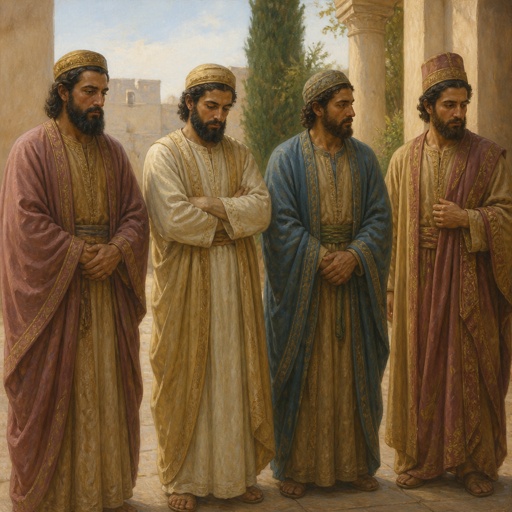
"And Parmashta, and Arisai, and Aridai, and Vajezatha," - Esther 9:9

Esther 4:12 - "And they told to Mordecai Esther's words."

"¶ Then Esther bade them return Mordecai this answer," - Esther 4:15

Esther 4:13 - "Then Mordecai commanded to answer Esther, Think not with thyself that thou shalt escape in the king's house, more than all the Jews."

Esther 5:4 - "And Esther answered, If it seem good unto the king, let the king and Haman come this day unto the banquet that I have prepared for him."

Esther 9:31 - "To confirm these days of Purim in their times appointed, according as Mordecai the Jew and Esther the queen had enjoined them, and as they had decreed for themselves and for their seed, the matters of the fastings and their cry."

Esther 9:13 - "Then said Esther, If it please the king, let it be granted to the Jews which are in Shushan to do to morrow also according unto this day's decree, and let Haman's ten sons be hanged upon the gallows."

"Then the king held out the golden sceptre toward Esther. So Esther arose, and stood before the king," - Esther 8:4
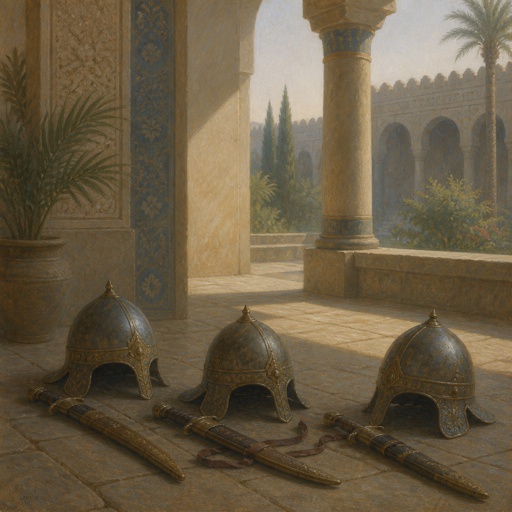
"And Parshandatha, and Dalphon, and Aspatha," - Esther 9:7

Esther 4:5 - "Then called Esther for Hatach, one of the king's chamberlains, whom he had appointed to attend upon her, and gave him a commandment to Mordecai, to know what it was, and why it was."
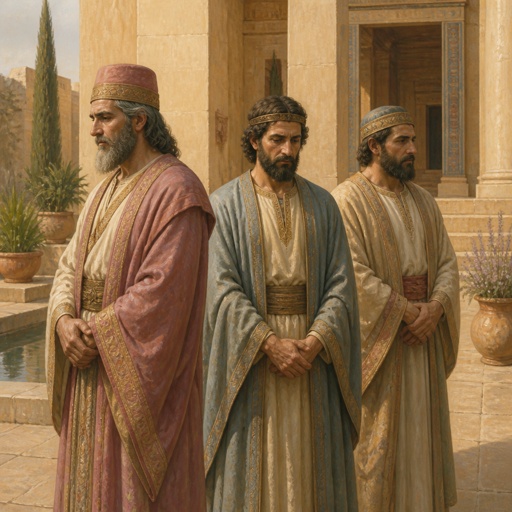
"And Poratha, and Adalia, and Aridatha," - Esther 9:8

Esther 9:6 - "And in Shushan the palace the Jews slew and destroyed five hundred men."
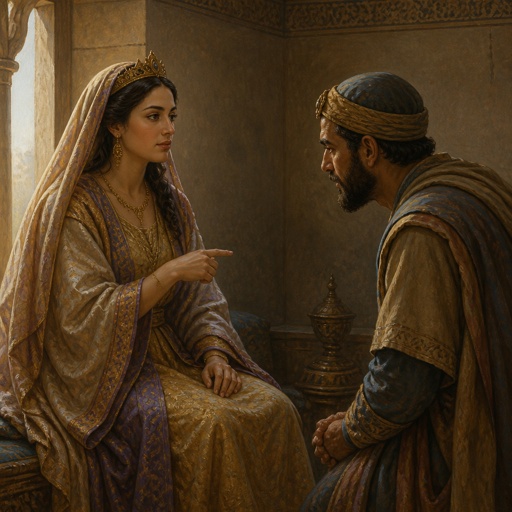
"¶ Again Esther spake unto Hatach, and gave him commandment unto Mordecai;" - Esther 4:10
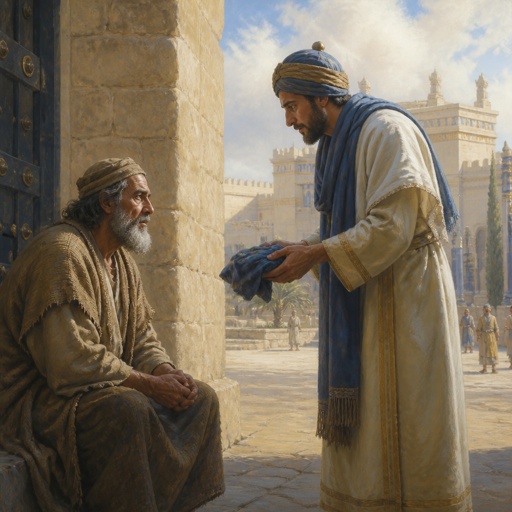
"And they told to Mordecai Esther's words." - Esther 4:12

Esther 9:25 - "But when Esther came before the king, he commanded by letters that his wicked device, which he devised against the Jews, should return upon his own head, and that he and his sons should be hanged on the gallows."