What does Esther 9:3 mean?
"And all the rulers of the provinces, and the lieutenants, and the deputies, and officers of the king, helped the Jews; because the fear of Mordecai fell upon them." - Esther 9:3
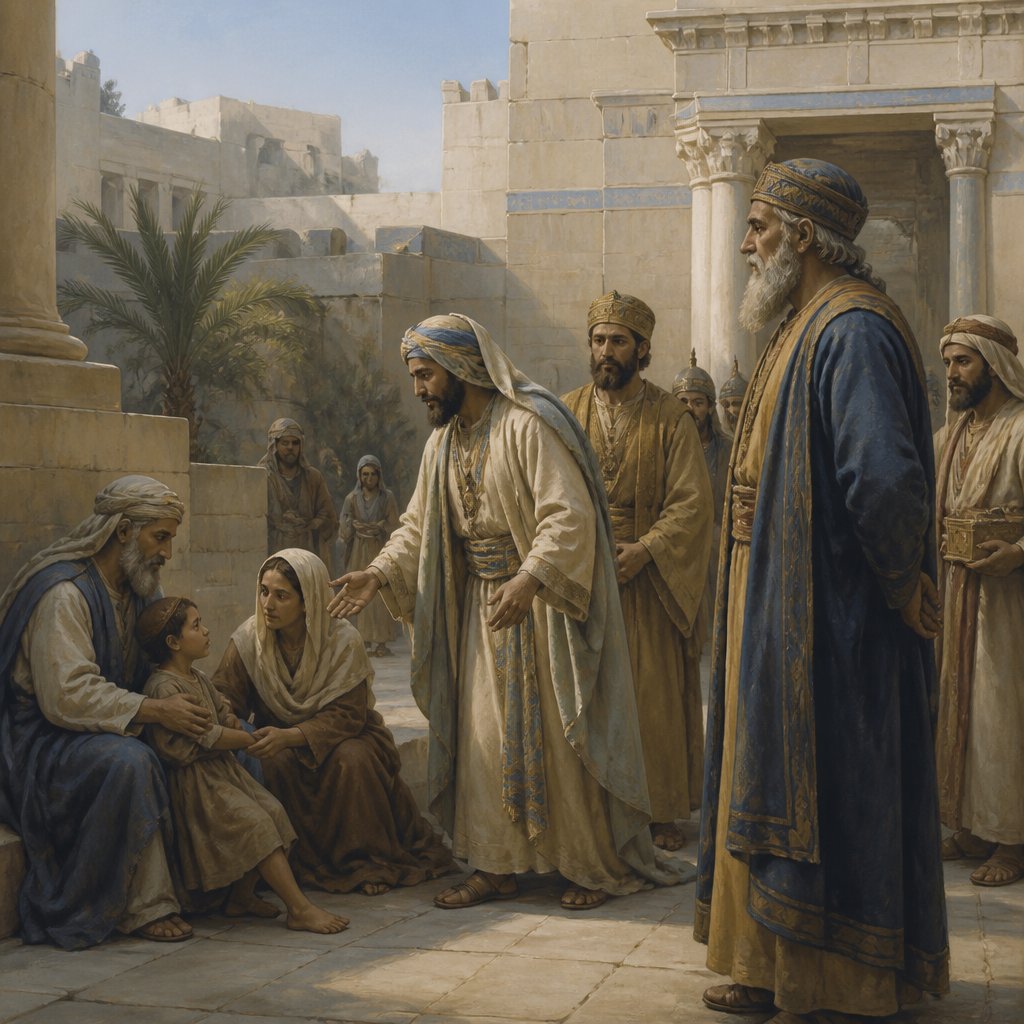
Esther 9:3 (KJV) says, "And all the rulers of the provinces, and the lieutenants, and the deputies, and officers of the king, helped the Jews; because the fear of Mordecai fell upon them."
This verse is a pivotal moment in the book of Esther, which is one of only two books in the Bible named after a woman. The story of Esther takes place during the time when the Jewish people were living in exile in Persia. King Ahasuerus, also known as Xerxes, ruled over the Persian Empire. The book of Esther recounts the salvation of the Jewish people from a plot to exterminate them as orchestrated by the villainous Haman, an official in the king's court.
In Esther 9:3, we see a dramatic shift in the fortunes of the Jewish people. Previously, they had been on the verge of annihilation, but now they are receiving support from the highest levels of government. The fear of Mordecai, Esther's cousin and the new leader of the Jewish community, has fallen upon the rulers and officers of the king. This fear has prompted them to take action to help the Jews. This sudden reversal of fortune is a clear demonstration of the providence of God, who intervenes on behalf of His people.
One of the key themes in the book of Esther is the idea of divine providence and the faithfulness of God to His people. Throughout the story, we see how God works behind the scenes to bring about the deliverance of the Jewish people. Even though the name of God is never mentioned in the book of Esther, His presence is clearly felt as events unfold in a way that ultimately leads to the salvation of the Jewish people.
Another important theme in Esther 9:3 is the idea of the fear of the Lord. It is the fear of Mordecai, a righteous and respected man, that prompts the rulers and officers of the king to support the Jews. This fear is not a terror or dread, but a deep reverence and respect that compels them to do what is right. This fear of Mordecai ultimately leads to the protection and preservation of the Jewish people.
The verse also highlights the idea of leadership and the influence that a godly leader can have on those around them. Mordecai's leadership and the fear he instills in others lead to a positive outcome for the Jewish people. This serves as a reminder of the impact that individuals can have when they walk in righteousness and seek to honor God in all they do.
Symbolically, Esther 9:3 can be seen as a reflection of the broader biblical narrative of God's faithfulness to His chosen people. Throughout the Old Testament, we see how God repeatedly comes to the aid of the Israelites, delivering them from their enemies and preserving them as a distinct people. The events in Esther are yet another example of how God fulfills His promises and defends His people.
In conclusion, Esther 9:3 is a significant verse within the book of Esther, marking a turning point in the story as the Jewish people receive support and protection from the highest levels of government. The verse underscores the themes of divine providence, the fear of the Lord, and the impact of godly leadership. It also serves as a powerful reminder of how God intervenes on behalf of His people and remains faithful to His promises.
Have questions about Esther 9:3?
Dive deeper into this scripture with Bible Chat — an AI-powered tool for exploring God's Word through conversation. Ask questions, get context, and grow in your understanding of the Bible.
Get Our Apps


Esther 9:3 Artwork

Esther 9:3 - "And all the rulers of the provinces, and the lieutenants, and the deputies, and officers of the king, helped the Jews; because the fear of Mordecai fell upon them."
"And all the rulers of the provinces, and the lieutenants, and the deputies, and officers of the king, helped the Jews; because the fear of Mordecai fell upon them." - Esther 9:3

Esther 4:9 - "And Hatach came and told Esther the words of Mordecai."

Esther 9:32 - "And the decree of Esther confirmed these matters of Purim; and it was written in the book."

Esther 9:9 - "And Parmashta, and Arisai, and Aridai, and Vajezatha,"
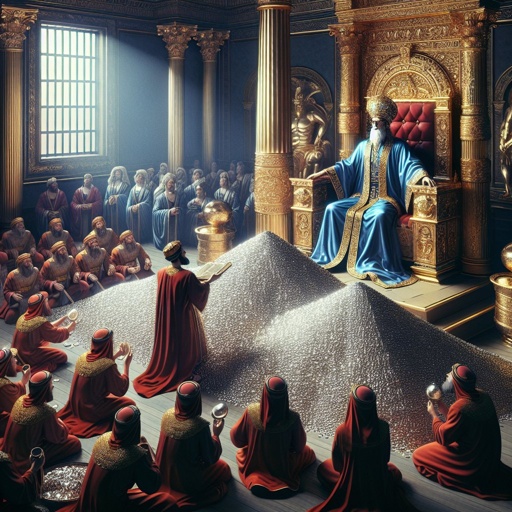
Esther 3:9 - "If it please the king, let it be written that they may be destroyed: and I will pay ten thousand talents of silver to the hands of those that have the charge of the business, to bring it into the king's treasuries."

Esther 9:29 - "Then Esther the queen, the daughter of Abihail, and Mordecai the Jew, wrote with all authority, to confirm this second letter of Purim."

"And Hatach came and told Esther the words of Mordecai." - Esther 4:9

Esther 9:8 - "And Poratha, and Adalia, and Aridatha,"

Esther 9:7 - "And Parshandatha, and Dalphon, and Aspatha,"

"And the decree of Esther confirmed these matters of Purim; and it was written in the book." - Esther 9:32
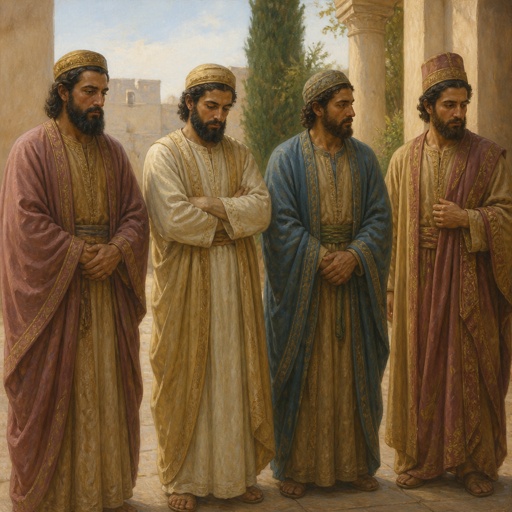
"And Parmashta, and Arisai, and Aridai, and Vajezatha," - Esther 9:9

Esther 5:3 - "Then said the king unto her, What wilt thou, queen Esther? and what is thy request? it shall be even given thee to the half of the kingdom."

Esther 9:31 - "To confirm these days of Purim in their times appointed, according as Mordecai the Jew and Esther the queen had enjoined them, and as they had decreed for themselves and for their seed, the matters of the fastings and their cry."

Esther 9:13 - "Then said Esther, If it please the king, let it be granted to the Jews which are in Shushan to do to morrow also according unto this day's decree, and let Haman's ten sons be hanged upon the gallows."
"And Parshandatha, and Dalphon, and Aspatha," - Esther 9:7
"And Poratha, and Adalia, and Aridatha," - Esther 9:8
Esther 3:10 focus on ring

Esther 9:6 - "And in Shushan the palace the Jews slew and destroyed five hundred men."

Esther 3:3 - "Then the king's servants, which were in the king's gate, said unto Mordecai, Why transgressest thou the king's commandment?"

Esther 9:25 - "But when Esther came before the king, he commanded by letters that his wicked device, which he devised against the Jews, should return upon his own head, and that he and his sons should be hanged on the gallows."

Esther 8:3 - "¶ And Esther spake yet again before the king, and fell down at his feet, and besought him with tears to put away the mischief of Haman the Agagite, and his device that he had devised against the Jews."

Esther 9:11 - "On that day the number of those that were slain in Shushan the palace was brought before the king."

Esther 9:23 - "And the Jews undertook to do as they had begun, and as Mordecai had written unto them;"

Esther 9:10 - "The ten sons of Haman the son of Hammedatha, the enemy of the Jews, slew they; but on the spoil laid they not their hand."
"Then Esther the queen, the daughter of Abihail, and Mordecai the Jew, wrote with all authority, to confirm this second letter of Purim." - Esther 9:29

Esther 7:3 - "Then Esther the queen answered and said, If I have found favour in thy sight, O king, and if it please the king, let my life be given me at my petition, and my people at my request:"

Esther 9:17 - "On the thirteenth day of the month Adar; and on the fourteenth day of the same rested they, and made it a day of feasting and gladness."

Esther 1:9 - "Also Vashti the queen made a feast for the women in the royal house which belonged to king Ahasuerus."

Esther 9:14 - "And the king commanded it so to be done: and the decree was given at Shushan; and they hanged Haman's ten sons."