What does Esther 9:13 mean?
"Then said Esther, If it please the king, let it be granted to the Jews which are in Shushan to do to morrow also according unto this day's decree, and let Haman's ten sons be hanged upon the gallows." - Esther 9:13
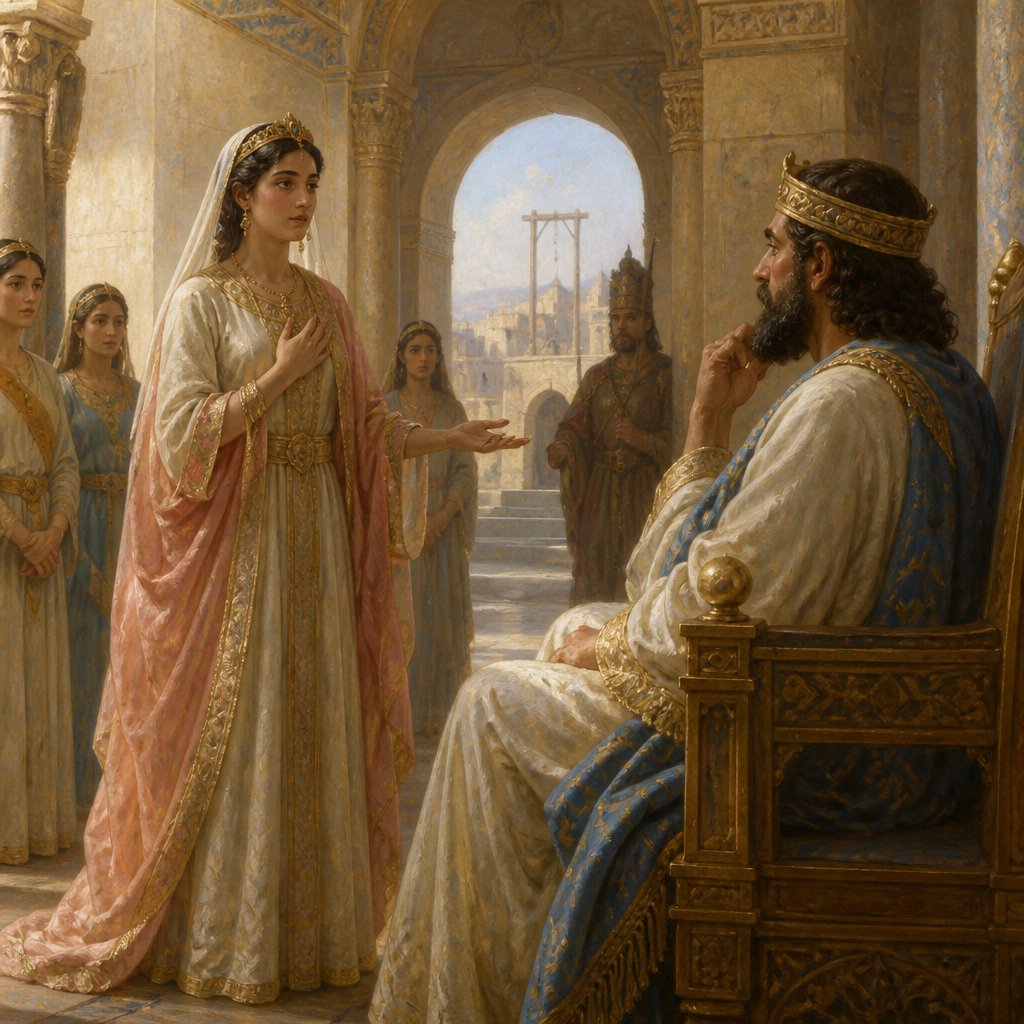
Esther 9:13 in the King James Version reads, "Then said Esther, If it please the king, let it be granted to the Jews which are in Shushan to do to morrow also according unto this day's decree, and let Haman's ten sons be hanged upon the gallows."
The book of Esther tells the story of a young Jewish woman who becomes the Queen of Persia and ultimately saves her people from genocide. This verse occurs at the climax of the story, when Esther requests that the Jews in Shushan be allowed to defend themselves against their enemies, and that the ten sons of Haman, who had plotted to have the Jews killed, be hanged.
One of the themes in Esther 9:13 is the concept of divine retribution. Haman's sons are being punished for their father's wickedness. This idea of guilt passing down through generations is a common theme in the Bible, particularly in the Old Testament. It serves as a reminder that our actions have consequences, not just for ourselves, but for our descendants as well.
Another theme is justice and deliverance. In this verse, Esther is advocating for her people to be allowed to defend themselves, ensuring that justice is served and they are delivered from their enemies. Throughout the book of Esther, we see themes of faith, courage, and deliverance, as Esther bravely takes on the task of interceding for her people and ultimately overcoming their enemies.
The context of this verse is important for understanding its significance. The Jewish people were under threat of annihilation from an evil and vindictive man, Haman, who had manipulated the king into issuing a decree to have them killed. Esther, who had kept her Jewish identity a secret, risked her life by revealing her heritage to the king and interceding for her people. This verse comes at a crucial moment in the story, as Esther requests not only for the Jews to be allowed to defend themselves, but also for the sons of Haman to be hanged as a public display of justice and retribution.
Symbolism in this verse is found in the act of hanging Haman's ten sons on gallows. This act serves as a visual representation of the defeat of evil and the victory of the Jewish people over their enemies. The number ten may also have symbolic significance. In the Bible, the number ten is often associated with completeness and divine order. The hanging of Haman's ten sons can be seen as the complete and final defeat of evil, ensured by the divine order and justice of God.
In conclusion, Esther 9:13 is a powerful and pivotal verse in the book of Esther. It holds themes of divine retribution, justice, and deliverance and serves as a climactic moment in the story of Esther and the salvation of the Jewish people. The context of the verse is essential for understanding its significance, and the symbolism of the hanging of Haman's ten sons adds depth to its meaning. Overall, this verse is a powerful reminder of the faithfulness of God in delivering his people from their enemies and the consequences of their actions.
Have questions about Esther 9:13?
Dive deeper into this scripture with Bible Chat — an AI-powered tool for exploring God's Word through conversation. Ask questions, get context, and grow in your understanding of the Bible.
Get Our Apps


Esther 9:13 Artwork

Esther 9:13 - "Then said Esther, If it please the king, let it be granted to the Jews which are in Shushan to do to morrow also according unto this day's decree, and let Haman's ten sons be hanged upon the gallows."
"Then said Esther, If it please the king, let it be granted to the Jews which are in Shushan to do to morrow also according unto this day's decree, and let Haman's ten sons be hanged upon the gallows." - Esther 9:13

Esther 4:9 - "And Hatach came and told Esther the words of Mordecai."

Esther 9:32 - "And the decree of Esther confirmed these matters of Purim; and it was written in the book."

Esther 9:9 - "And Parmashta, and Arisai, and Aridai, and Vajezatha,"

Esther 9:29 - "Then Esther the queen, the daughter of Abihail, and Mordecai the Jew, wrote with all authority, to confirm this second letter of Purim."

Esther 4:13 - "Then Mordecai commanded to answer Esther, Think not with thyself that thou shalt escape in the king's house, more than all the Jews."

"And Hatach came and told Esther the words of Mordecai." - Esther 4:9

Esther 9:8 - "And Poratha, and Adalia, and Aridatha,"

Esther 9:7 - "And Parshandatha, and Dalphon, and Aspatha,"

"And the decree of Esther confirmed these matters of Purim; and it was written in the book." - Esther 9:32
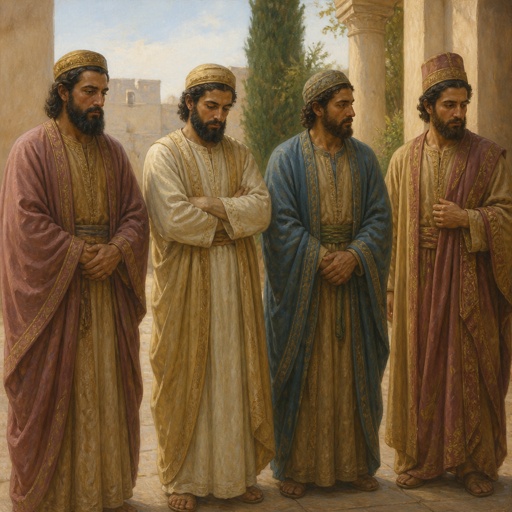
"And Parmashta, and Arisai, and Aridai, and Vajezatha," - Esther 9:9

Esther 5:9-13 - "Esther 5:9-13: Then Haman went out that day joyful and with a glad heart; but when Haman saw Mordecai in the king’s gate, and that he did not stand or tremble before him, he was filled with indignation against Mordecai. Nevertheless Haman restrained himself and went home, and he sent and called for his friends and his wife Zeresh. Then Haman told them of his great riches, the multitude of his children, everything in which the king had promoted him, and how he had advanced him above the officials and servants of the king. Moreover Haman said, “Besides, Queen Esther invited no one but me to come in with the king to the banquet that she prepared; and tomorrow I am again invited by her, along with the king. Yet all this avails me nothing, so long as I see Mordecai the Jew sitting at the king’s gate.”"

Esther 9:31 - "To confirm these days of Purim in their times appointed, according as Mordecai the Jew and Esther the queen had enjoined them, and as they had decreed for themselves and for their seed, the matters of the fastings and their cry."
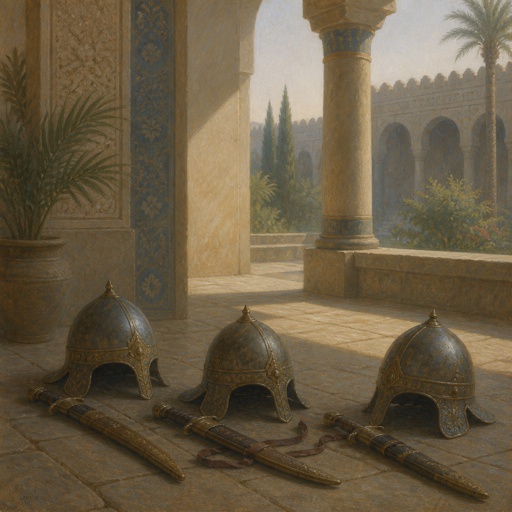
"And Parshandatha, and Dalphon, and Aspatha," - Esther 9:7
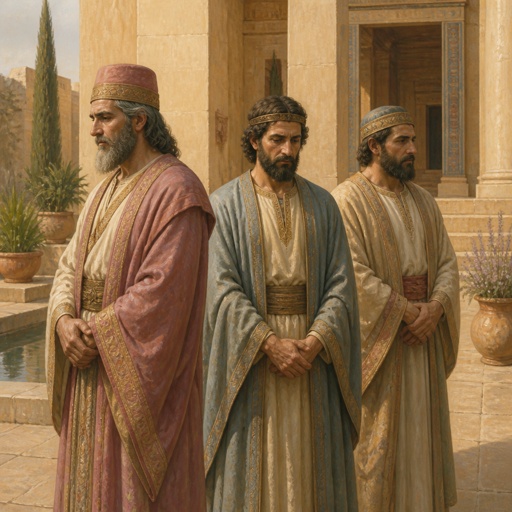
"And Poratha, and Adalia, and Aridatha," - Esther 9:8

Esther 9:6 - "And in Shushan the palace the Jews slew and destroyed five hundred men."

Esther 9:25 - "But when Esther came before the king, he commanded by letters that his wicked device, which he devised against the Jews, should return upon his own head, and that he and his sons should be hanged on the gallows."

Esther 9:11 - "On that day the number of those that were slain in Shushan the palace was brought before the king."

Esther 9:23 - "And the Jews undertook to do as they had begun, and as Mordecai had written unto them;"

Esther 9:10 - "The ten sons of Haman the son of Hammedatha, the enemy of the Jews, slew they; but on the spoil laid they not their hand."
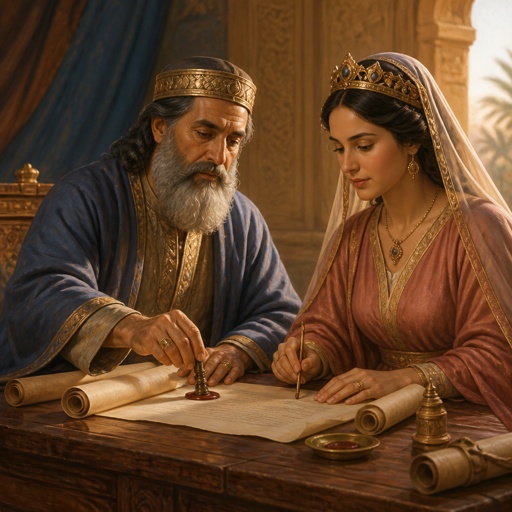
"Then Esther the queen, the daughter of Abihail, and Mordecai the Jew, wrote with all authority, to confirm this second letter of Purim." - Esther 9:29

Esther 9:17 - "On the thirteenth day of the month Adar; and on the fourteenth day of the same rested they, and made it a day of feasting and gladness."

Esther 1:9 - "Also Vashti the queen made a feast for the women in the royal house which belonged to king Ahasuerus."

Esther 9:14 - "And the king commanded it so to be done: and the decree was given at Shushan; and they hanged Haman's ten sons."

Esther 5:13 - "Yet all this availeth me nothing, so long as I see Mordecai the Jew sitting at the king's gate."
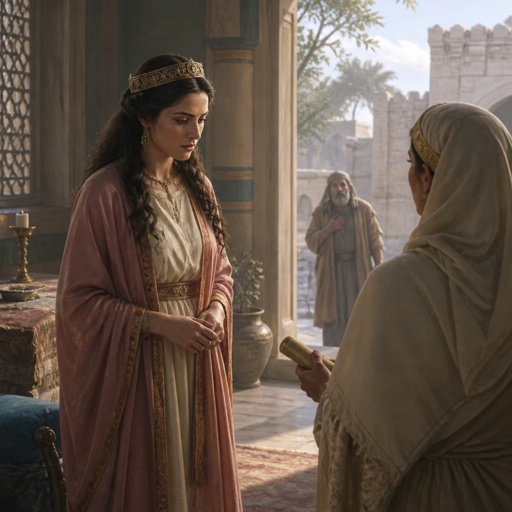
"Then Mordecai commanded to answer Esther, Think not with thyself that thou shalt escape in the king's house, more than all the Jews." - Esther 4:13

Esther 9:21 - "To stablish this among them, that they should keep the fourteenth day of the month Adar, and the fifteenth day of the same, yearly,"
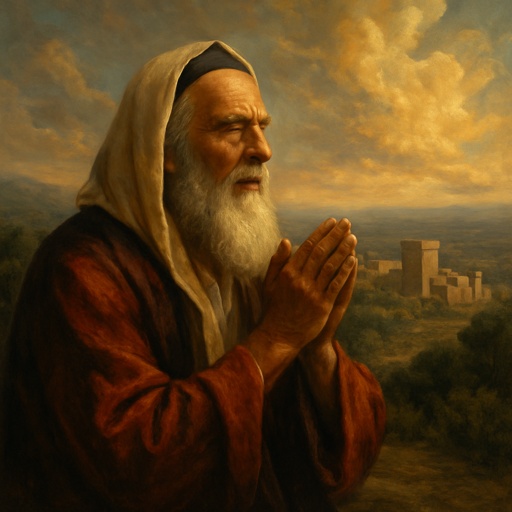
Esther 13:8-9 KJVA Then Mardocheus thought upon all the works of the Lord, and made his prayer unto him, (9) Saying, O Lord, Lord, the King Almighty: for the whole world is in thy power, and if thou hast appointed to save Israel, there is no man that can gainsay thee:
Esther 1:13 - "¶ Then the king said to the wise men, which knew the times, (for so was the king's manner toward all that knew law and judgment:"