What does Esther 8:10 mean?
"And he wrote in the king Ahasuerus' name, and sealed it with the king's ring, and sent letters by posts on horseback, and riders on mules, camels, and young dromedaries:" - Esther 8:10
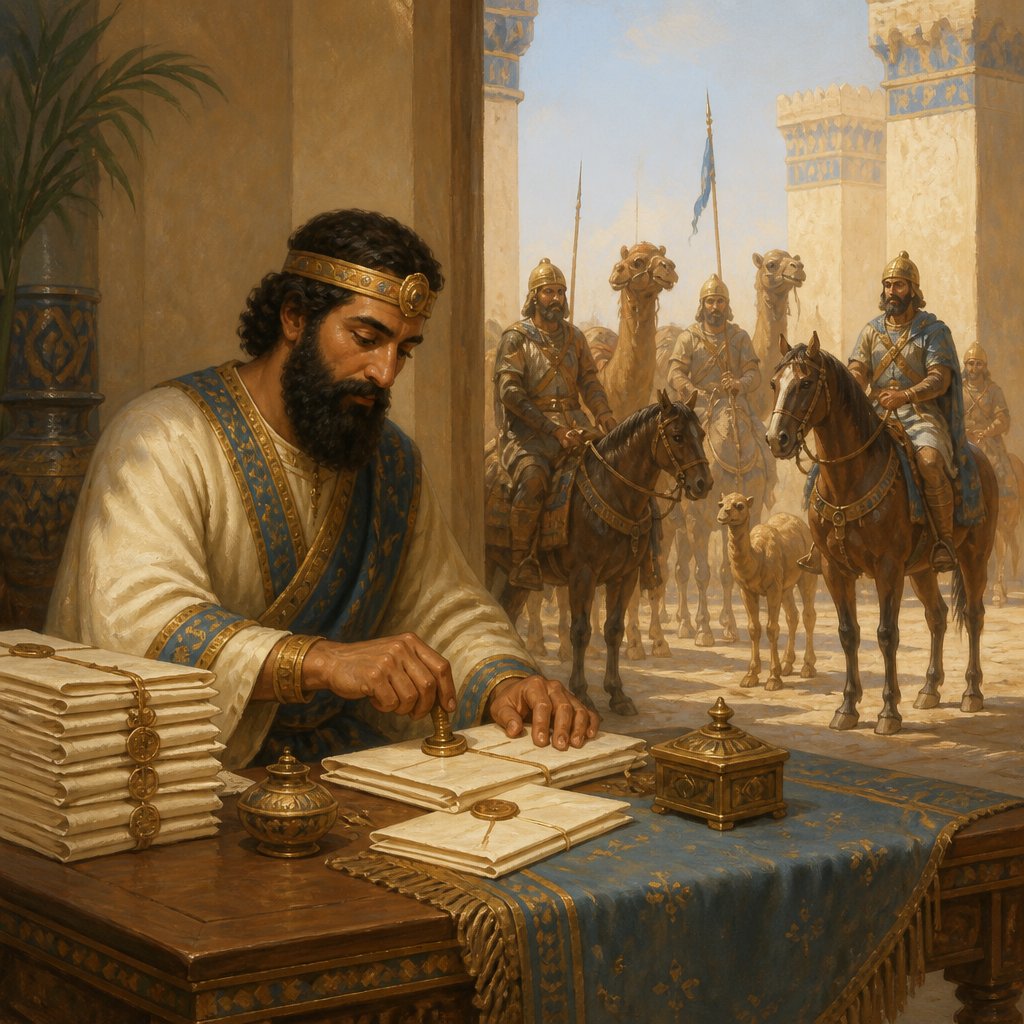
Esther 8:10 in the King James Version (KJV) of the Bible states, "And he wrote in the king Ahasuerus' name, and sealed it with the king's ring, and sent letters by posts on horseback, and riders on mules, camels, and young dromedaries." This verse is part of the book of Esther, which is a story of a young Jewish woman who becomes the queen of Persia and intervenes to save her people from a massacre.
To understand the full meaning and significance of this particular verse, it is important to consider the broader context of the book of Esther. The verse comes at a critical moment in the story when Esther's cousin Mordecai has been granted permission by King Ahasuerus to issue a proclamation allowing the Jews to defend themselves against their enemies. This verse specifically details the method by which this proclamation is to be spread throughout the kingdom.
The verse reflects the extensive reach and authority of King Ahasuerus, as well as the urgency and importance of the message being transmitted. The use of multiple modes of transportation – posts on horseback, riders on mules, camels, and young dromedaries – indicates the king's desire for swift and widespread communication. Furthermore, the fact that the letters are sealed with the king's ring emphasizes the official and binding nature of the decree.
Symbolically, the verse can be seen as representing the power of righteous action and the potential for positive change in the face of adversity. The issuing of the proclamation signifies the willingness of King Ahasuerus to rectify an earlier edict that had threatened the lives of the Jewish people. It also represents the courage and determination of Esther and Mordecai in standing up for their beliefs and seeking justice for their people.
Thematically, Esther 8:10 speaks to the themes of authority, responsibility, and the consequences of one's actions. The verse highlights the weight of the king's decisions and the impact they have on the lives of his subjects. It also underscores the importance of using one's authority for the greater good, as King Ahasuerus ultimately chooses to support the Jewish people in their time of need.
In a broader theological context, Esther 8:10 can be seen as a reflection of God's providence and the way in which He works through human agency to bring about justice and deliverance. The unfolding of events in the book of Esther demonstrates how God can use even unlikely individuals to accomplish His purposes and bring about redemption for His people.
Overall, Esther 8:10 from the King James Version of the Bible is a verse that carries deep thematic and symbolic significance within the story of Esther. It serves as a reminder of the power of righteous action, the responsibility of those in authority, and the providential workings of God in the lives of His people.
Have questions about Esther 8:10?
Dive deeper into this scripture with Bible Chat — an AI-powered tool for exploring God's Word through conversation. Ask questions, get context, and grow in your understanding of the Bible.
Get Our Apps


Esther 8:10 Artwork

Esther 8:10 - "And he wrote in the king Ahasuerus' name, and sealed it with the king's ring, and sent letters by posts on horseback, and riders on mules, camels, and young dromedaries:"
"And he wrote in the king Ahasuerus' name, and sealed it with the king's ring, and sent letters by posts on horseback, and riders on mules, camels, and young dromedaries:" - Esther 8:10

Esther 8:4 - "Then the king held out the golden sceptre toward Esther. So Esther arose, and stood before the king,"

Esther 4:10 - "¶ Again Esther spake unto Hatach, and gave him commandment unto Mordecai;"

Esther 8:1 - "On that day did the king Ahasuerus give the house of Haman the Jews' enemy unto Esther the queen. And Mordecai came before the king; for Esther had told what he was unto her."
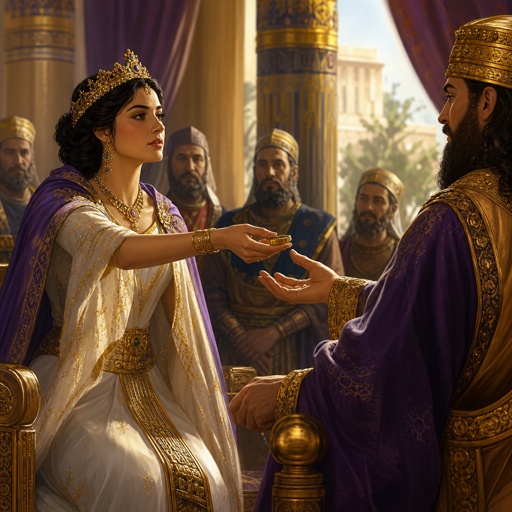
Esther 8:4

Esther 9:8 - "And Poratha, and Adalia, and Aridatha,"

Esther 2:10 - "Esther had not shewed her people nor her kindred: for Mordecai had charged her that she should not shew it."

Esther 8:7 - "¶ Then the king Ahasuerus said unto Esther the queen and to Mordecai the Jew, Behold, I have given Esther the house of Haman, and him they have hanged upon the gallows, because he laid his hand upon the Jews."

Esther 8:16 - "The Jews had light, and gladness, and joy, and honour."
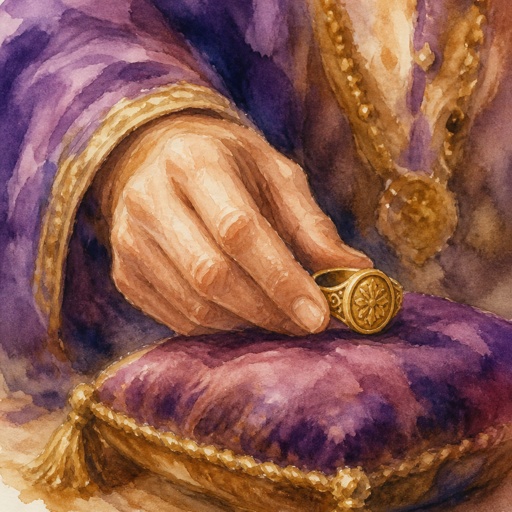
Esther 8:2 focus on the ring

"Then the king held out the golden sceptre toward Esther. So Esther arose, and stood before the king," - Esther 8:4

Esther 8:2 - "And the king took off his ring, which he had taken from Haman, and gave it unto Mordecai. And Esther set Mordecai over the house of Haman."
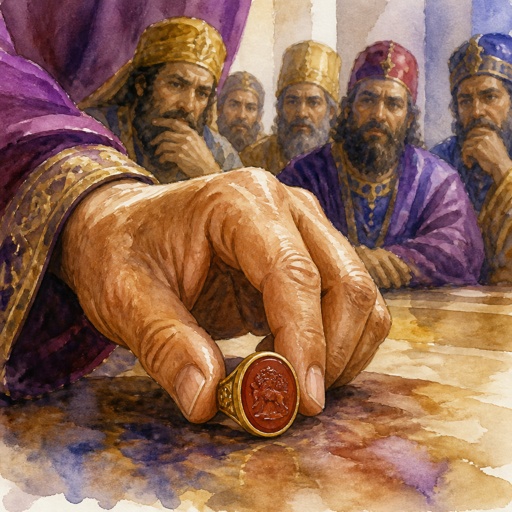
Esther 3:10 focus on ring
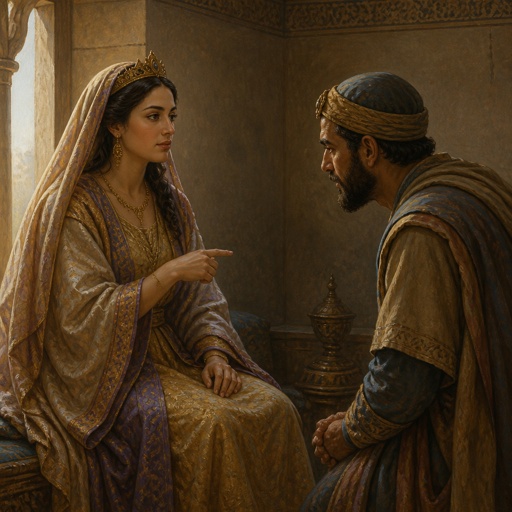
"¶ Again Esther spake unto Hatach, and gave him commandment unto Mordecai;" - Esther 4:10
"And Poratha, and Adalia, and Aridatha," - Esther 9:8

Esther 8:3 - "¶ And Esther spake yet again before the king, and fell down at his feet, and besought him with tears to put away the mischief of Haman the Agagite, and his device that he had devised against the Jews."

Esther 10:1 - "And the king Ahasuerus laid a tribute upon the land, and upon the isles of the sea."

Esther 9:10 - "The ten sons of Haman the son of Hammedatha, the enemy of the Jews, slew they; but on the spoil laid they not their hand."

Esther 7:10 - "So they hanged Haman on the gallows that he had prepared for Mordecai. Then was the king's wrath pacified."

Esther 2:8 - "¶ So it came to pass, when the king's commandment and his decree was heard, and when many maidens were gathered together unto Shushan the palace, to the custody of Hegai, that Esther was brought also unto the king's house, to the custody of Hegai, keeper of the women."

"On that day did the king Ahasuerus give the house of Haman the Jews' enemy unto Esther the queen. And Mordecai came before the king; for Esther had told what he was unto her." - Esther 8:1

Esther 8:8 - "Write ye also for the Jews, as it liketh you, in the king's name, and seal it with the king's ring: for the writing which is written in the king's name, and sealed with the king's ring, may no man reverse."

Esther 7:8 - "Then the king returned out of the palace garden into the place of the banquet of wine; and Haman was fallen upon the bed whereon Esther was. Then said the king, Will he force the queen also before me in the house? As the word went out of the king's mouth, they covered Haman's face."

Esther 4:8 - "Also he gave him the copy of the writing of the decree that was given at Shushan to destroy them, to shew it unto Esther, and to declare it unto her, and to charge her that she should go in unto the king, to make supplication unto him, and to make request before him for her people."
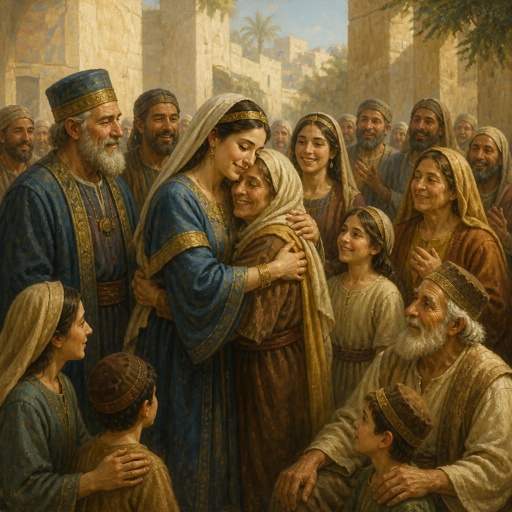
"The Jews had light, and gladness, and joy, and honour." - Esther 8:16

"Esther had not shewed her people nor her kindred: for Mordecai had charged her that she should not shew it." - Esther 2:10

Esther 5:10 - "Nevertheless Haman refrained himself: and when he came home, he sent and called for his friends, and Zeresh his wife."

Esther 3:10 - "And the king took his ring from his hand, and gave it unto Haman the son of Hammedatha the Agagite, the Jews' enemy."

Esther 8:14 - "So the posts that rode upon mules and camels went out, being hastened and pressed on by the king's commandment. And the decree was given at Shushan the palace."