What does Esther 7:7 mean?
"¶ And the king arising from the banquet of wine in his wrath went into the palace garden: and Haman stood up to make request for his life to Esther the queen; for he saw that there was evil determined against him by the king." - Esther 7:7
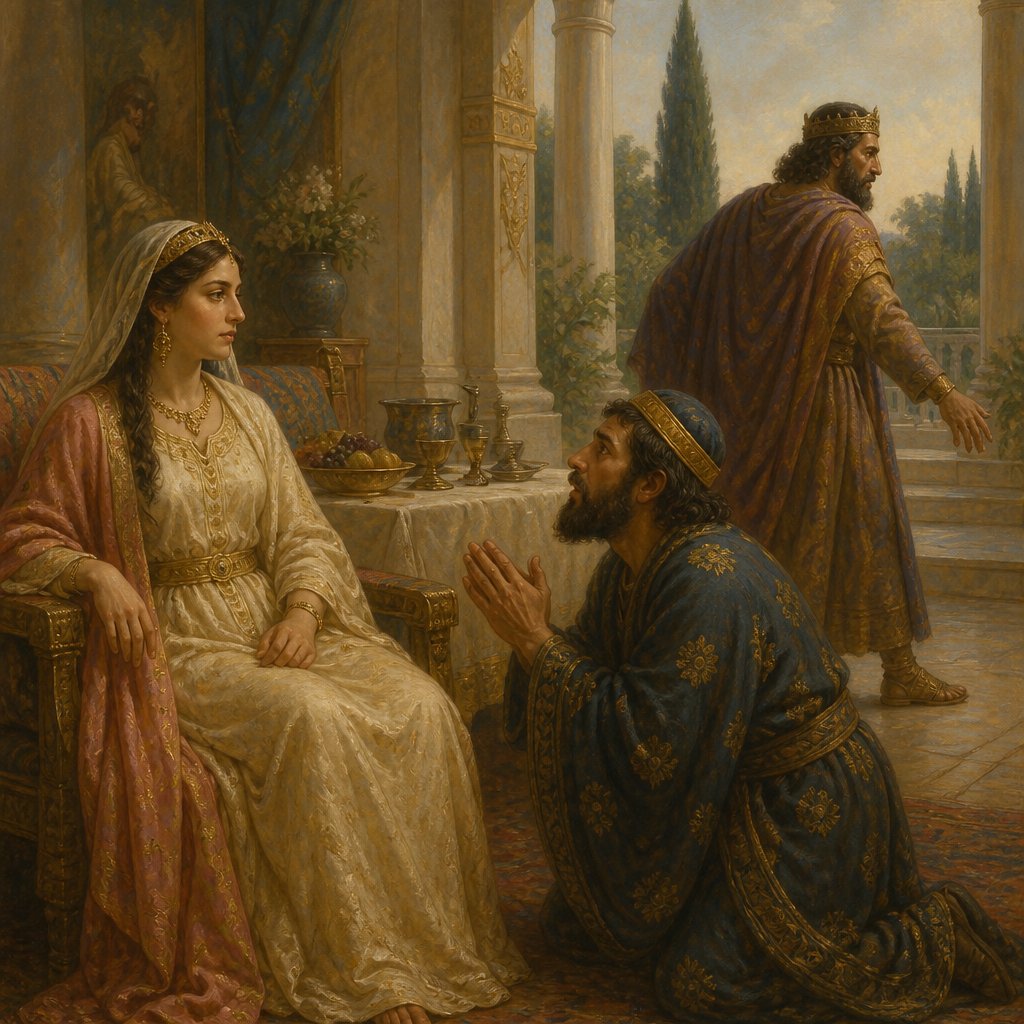
The book of Esther in the Bible is a fascinating and important piece of scripture that tells the story of a brave and courageous woman who risked her life to save her people from annihilation. In Esther 7:7, we find a pivotal moment in the story where the tables begin to turn and justice is finally served.
The verse reads: "And the king arising from the banquet of wine in his wrath went into the palace garden: and Haman stood up to make request for his life to Esther the queen; for he saw that there was evil determined against him by the king."
To fully understand the significance of this verse, we must first look at the context in which it is situated. The book of Esther is set in the Persian Empire during the reign of King Ahasuerus, who is often identified with Xerxes I. The story revolves around a plot by the king's chief advisor, Haman, to exterminate all the Jews in the empire. Esther, a Jewish orphan who has become queen, risks her life by revealing her identity to the king and pleading for the lives of her people.
In this particular verse, King Ahasuerus has just learned of Haman's treachery and is filled with wrath. He leaves the banquet and seeks solace in the palace garden, leaving Haman alone with Esther. Haman, realizing that his life is in peril, attempts to plead for mercy from Queen Esther, whom he had previously sought to destroy.
One of the major themes of this verse is the concept of divine justice. Throughout the story of Esther, we see how the plans of the wicked are thwarted and how those who seek to harm the innocent ultimately face retribution. In this verse, we witness the beginning of Haman's downfall, as he is forced to beg for his life from the very woman he had planned to destroy. This serves as a powerful reminder that God is ultimately in control and that those who scheme against His people will ultimately face the consequences of their actions.
Another important theme in this verse is the idea of bravery and courage in the face of adversity. Queen Esther's willingness to risk her own life in order to save her people is a testament to her strength and faith. Her actions serve as an inspiration to all believers, demonstrating the power of standing up for what is right even in the most dangerous of circumstances.
The symbolism in this verse is also significant. The king's departure to the palace garden can be seen as a moment of reflection and contemplation, as he comes to terms with the betrayal of his trusted advisor. The garden itself can symbolize a place of both beauty and danger, reflecting the volatile situation that is unfolding within the palace. Likewise, Haman's plea for mercy at the hands of Queen Esther symbolizes the shifting of power and the impending downfall of the wicked.
Overall, Esther 7:7 is a powerful and pivotal moment in the biblical story of Esther. It serves as a reminder of the ultimate triumph of justice over evil, the importance of bravery and courage in the face of adversity, and the symbolism of power and downfall. It is a verse that continues to inspire and uplift believers, reminding them of the unwavering presence of God in the face of life's greatest challenges.
Have questions about Esther 7:7?
Dive deeper into this scripture with Bible Chat — an AI-powered tool for exploring God's Word through conversation. Ask questions, get context, and grow in your understanding of the Bible.
Get Our Apps


Esther 7:7 Artwork

Esther 7:7 - "¶ And the king arising from the banquet of wine in his wrath went into the palace garden: and Haman stood up to make request for his life to Esther the queen; for he saw that there was evil determined against him by the king."
"¶ And the king arising from the banquet of wine in his wrath went into the palace garden: and Haman stood up to make request for his life to Esther the queen; for he saw that there was evil determined against him by the king." - Esther 7:7

Esther 5:7 - "Then answered Esther, and said, My petition and my request is;"

Esther 7:1 - "So the king and Haman came to banquet with Esther the queen."

Esther 7:6 - "And Esther said, The adversary and enemy is this wicked Haman. Then Haman was afraid before the king and the queen."

Esther 9:7 - "And Parshandatha, and Dalphon, and Aspatha,"

"So the king and Haman came to banquet with Esther the queen." - Esther 7:1
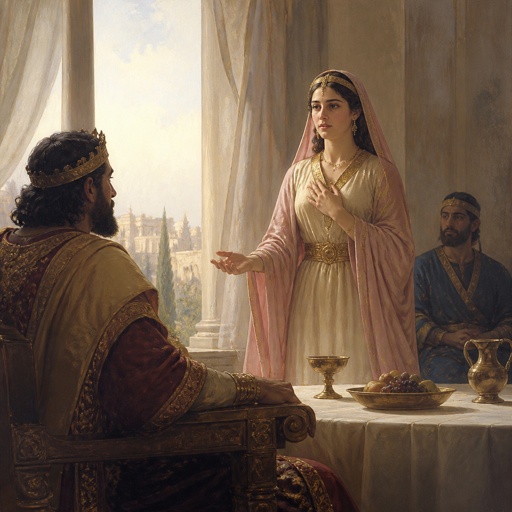
"Then answered Esther, and said, My petition and my request is;" - Esther 5:7

Esther 7:2 - "And the king said again unto Esther on the second day at the banquet of wine, What is thy petition, queen Esther? and it shall be granted thee: and what is thy request? and it shall be performed, even to the half of the kingdom."

Esther 7:5 - "¶ Then the king Ahasuerus answered and said unto Esther the queen, Who is he, and where is he, that durst presume in his heart to do so?"
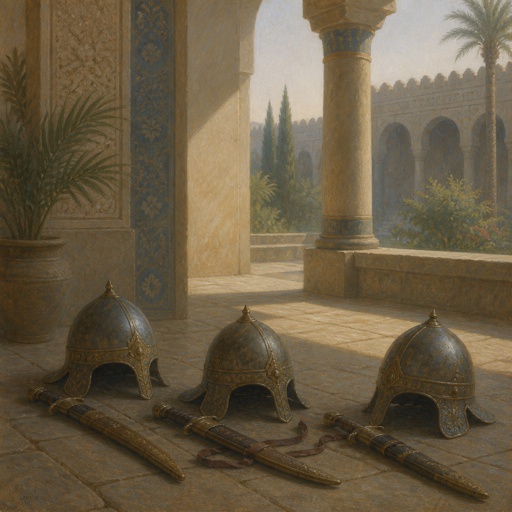
"And Parshandatha, and Dalphon, and Aspatha," - Esther 9:7

Esther 8:7 - "¶ Then the king Ahasuerus said unto Esther the queen and to Mordecai the Jew, Behold, I have given Esther the house of Haman, and him they have hanged upon the gallows, because he laid his hand upon the Jews."

Esther 6:7 - "And Haman answered the king, For the man whom the king delighteth to honour,"

Esther 7:10 - "So they hanged Haman on the gallows that he had prepared for Mordecai. Then was the king's wrath pacified."

"And Esther said, The adversary and enemy is this wicked Haman. Then Haman was afraid before the king and the queen." - Esther 7:6

Esther 7:3 - "Then Esther the queen answered and said, If I have found favour in thy sight, O king, and if it please the king, let my life be given me at my petition, and my people at my request:"

Esther 2:7 - "And he brought up Hadassah, that is, Esther, his uncle's daughter: for she had neither father nor mother, and the maid was fair and beautiful; whom Mordecai, when her father and mother were dead, took for his own daughter."

Esther 1:7 - "And they gave them drink in vessels of gold, (the vessels being diverse one from another,) and royal wine in abundance, according to the state of the king."

Esther 7:8 - "Then the king returned out of the palace garden into the place of the banquet of wine; and Haman was fallen upon the bed whereon Esther was. Then said the king, Will he force the queen also before me in the house? As the word went out of the king's mouth, they covered Haman's face."

"And Haman answered the king, For the man whom the king delighteth to honour," - Esther 6:7

Esther 4:7 - "And Mordecai told him of all that had happened unto him, and of the sum of the money that Haman had promised to pay to the king's treasuries for the Jews, to destroy them."
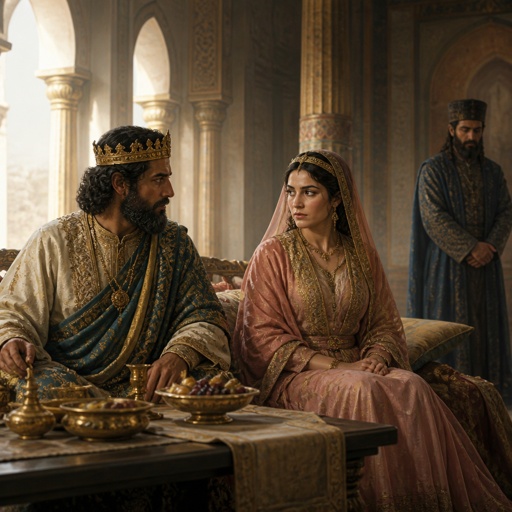
"¶ Then the king Ahasuerus answered and said unto Esther the queen, Who is he, and where is he, that durst presume in his heart to do so?" - Esther 7:5
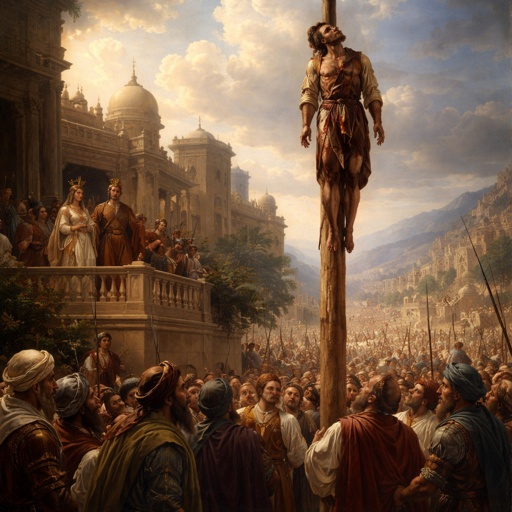
Create me a photo of Haman being pierced on a 75ft Gallows. He was pierced and displayed publicly based in the book of Esther 7.
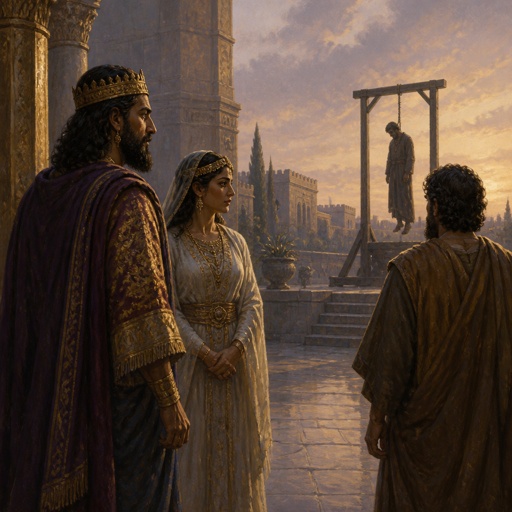
"So they hanged Haman on the gallows that he had prepared for Mordecai. Then was the king's wrath pacified." - Esther 7:10

Esther 3:7 - "¶ In the first month, that is, the month Nisan, in the twelfth year of king Ahasuerus, they cast Pur, that is, the lot, before Haman from day to day, and from month to month, to the twelfth month, that is, the month Adar."

Esther 7:4 - "For we are sold, I and my people, to be destroyed, to be slain, and to perish. But if we had been sold for bondmen and bondwomen, I had held my tongue, although the enemy could not countervail the king's damage."
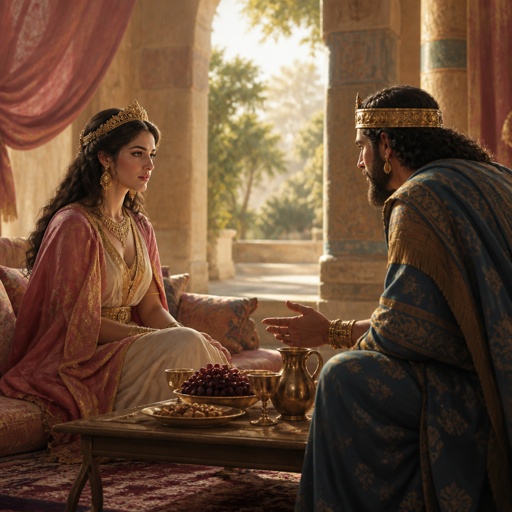
"And the king said again unto Esther on the second day at the banquet of wine, What is thy petition, queen Esther? and it shall be granted thee: and what is thy request? and it shall be performed, even to the half of the kingdom." - Esther 7:2
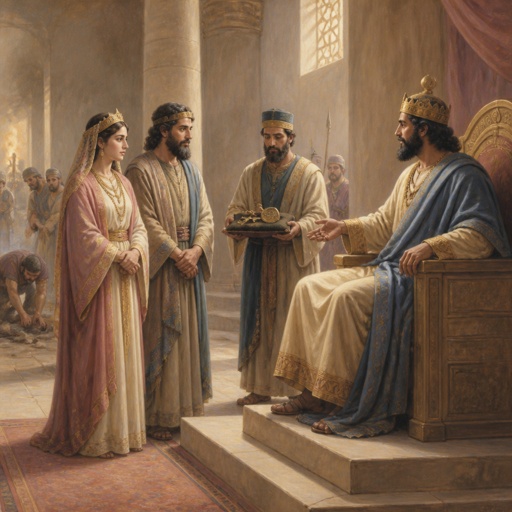
"¶ Then the king Ahasuerus said unto Esther the queen and to Mordecai the Jew, Behold, I have given Esther the house of Haman, and him they have hanged upon the gallows, because he laid his hand upon the Jews." - Esther 8:7
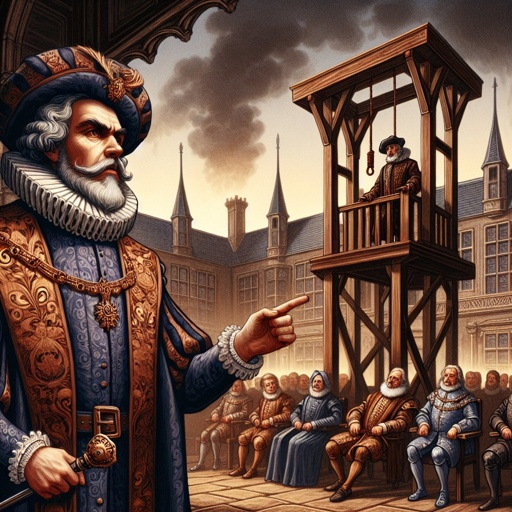
Esther 7:9 - "And Harbonah, one of the chamberlains, said before the king, Behold also, the gallows fifty cubits high, which Haman had made for Mordecai, who had spoken good for the king, standeth in the house of Haman. Then the king said, Hang him thereon."
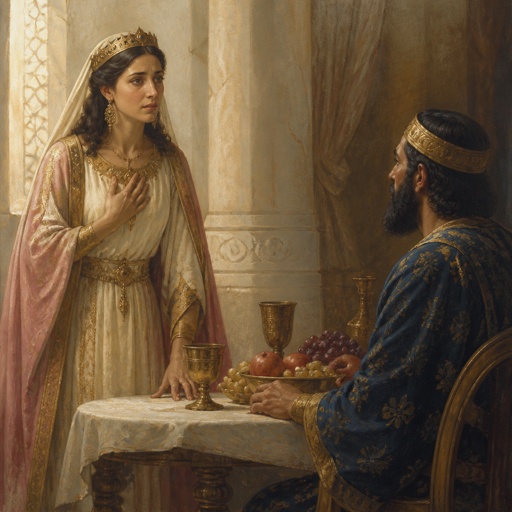
"Then Esther the queen answered and said, If I have found favour in thy sight, O king, and if it please the king, let my life be given me at my petition, and my people at my request:" - Esther 7:3