What does Esther 4:9 mean?
"And Hatach came and told Esther the words of Mordecai." - Esther 4:9

The Book of Esther in the Bible provides a gripping narrative of how a Jewish woman, Esther, rises to power and saves her people from total annihilation. The verse Esther 4:9 in the King James Version (KJV) reads, "And Hatach came and told Esther the words of Mordecai." This seemingly simple verse actually holds deep significance in the context of the story and in the broader themes found within the book.
To truly understand the meaning and importance of this verse, it is necessary to delve into the historical and literary context of the Book of Esther. The story takes place during the reign of King Ahasuerus of Persia, who was known for his extravagant banquets and hasty decisions. The plot centers around a plot to exterminate all Jews in the kingdom, orchestrated by the king's chief advisor, Haman. Esther, a Jewish woman who had become queen of Persia, plays a crucial role in saving her people.
In Esther 4:9, the narrative is at a critical juncture. Mordecai, Esther's cousin and mentor, has urged her to intervene on behalf of her people with King Ahasuerus. Hatach, a eunuch in the king's court trusted by Esther, relays Mordecai's plea to her. This verse marks the beginning of Esther's involvement in the salvation of the Jews and sets the stage for her brave intervention.
The verse also has symbolic significance in terms of the themes found within the Book of Esther. One of the central themes of the book is the providence of God. While the name of God is not explicitly mentioned in the Book of Esther, His hand is seen moving behind the scenes, orchestrating events to deliver his people from destruction. In Esther 4:9, we see the prompting of Mordecai and the relay of his message to Esther as part of God's providential plan to use her to save the Jewish people.
Another key theme in Esther is the importance of courage and standing up for one's beliefs, even in the face of danger. Esther's initial reluctance to approach the king reflects the fear and risk associated with such an act, as approaching the king without an invitation could result in death. However, Mordecai reminds her that she too is at risk if she remains silent, and in Esther 4:9, we witness Esther's resolve beginning to form as she receives Mordecai's message. This verse marks the turning point in the story, as Esther begins to summon the courage to take action.
Furthermore, the verse reflects the importance of communication and the role of intermediaries in conveying important messages. Hatach serves as the messenger between Mordecai and Esther, emphasizing the critical role of communication in carrying out God's plan. This theme reinforces the idea of human agency within the context of divine providence, as individuals must actively participate in God's plan by communicating and taking action.
In addition, Esther 4:9 emphasizes the role of mentorship and guidance in making important decisions. Mordecai's counsel to Esther reflects the importance of wise guidance and the impact that mentors can have on shaping the destinies of others. This verse underscores the significance of seeking and heeding wise counsel when facing difficult decisions or challenges.
In conclusion, Esther 4:9 serves as a pivotal moment in the Book of Esther, marking the beginning of Esther's courageous intervention to save her people. The verse holds deep thematic and symbolic significance, reflecting the providence of God, the importance of courage and communication, and the impact of guidance and mentorship. As the story unfolds, Esther's bravery and selflessness ultimately lead to the preservation of the Jewish people, and her actions continue to resonate as a powerful example of faith and courage.
Have questions about Esther 4:9?
Dive deeper into this scripture with Bible Chat — an AI-powered tool for exploring God's Word through conversation. Ask questions, get context, and grow in your understanding of the Bible.
Get Our Apps


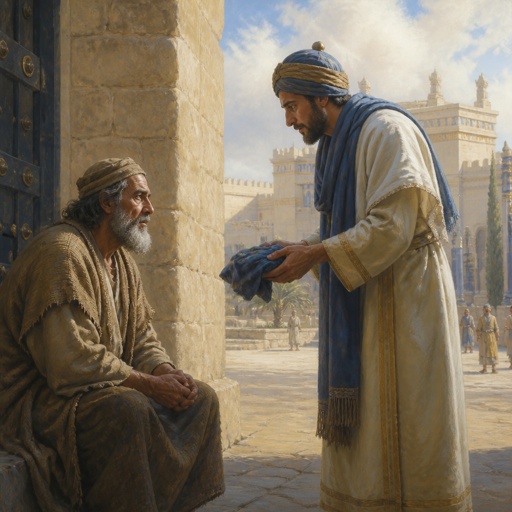
Esther 4:9 Artwork

Esther 4:9 - "And Hatach came and told Esther the words of Mordecai."

"And Hatach came and told Esther the words of Mordecai." - Esther 4:9

Esther 9:4 - "For Mordecai was great in the king's house, and his fame went out throughout all the provinces: for this man Mordecai waxed greater and greater."

Esther 9:32 - "And the decree of Esther confirmed these matters of Purim; and it was written in the book."

Esther 8:4 - "Then the king held out the golden sceptre toward Esther. So Esther arose, and stood before the king,"

Esther 4:15 - "¶ Then Esther bade them return Mordecai this answer,"

Esther 9:9 - "And Parmashta, and Arisai, and Aridai, and Vajezatha,"

Esther 4:10 - "¶ Again Esther spake unto Hatach, and gave him commandment unto Mordecai;"

Esther 9:29 - "Then Esther the queen, the daughter of Abihail, and Mordecai the Jew, wrote with all authority, to confirm this second letter of Purim."

Esther 9:8 - "And Poratha, and Adalia, and Aridatha,"

Esther 9:7 - "And Parshandatha, and Dalphon, and Aspatha,"

Esther 4:17 - "So Mordecai went his way, and did according to all that Esther had commanded him."

"And the decree of Esther confirmed these matters of Purim; and it was written in the book." - Esther 9:32
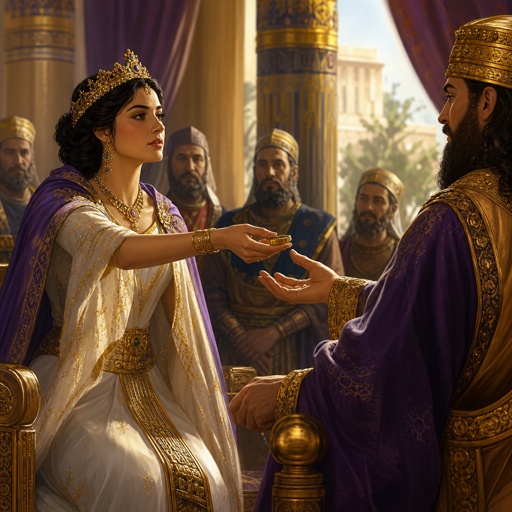
Esther 8:4
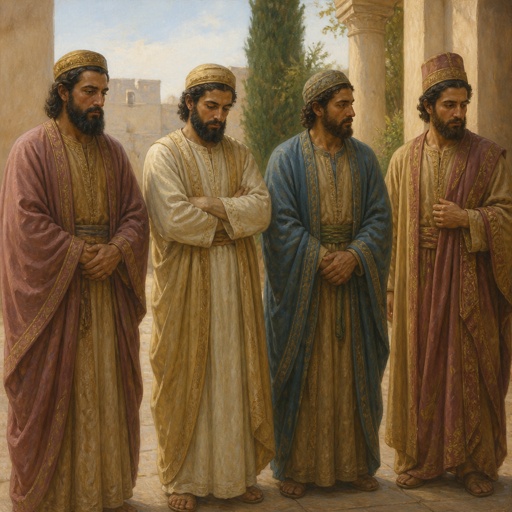
"And Parmashta, and Arisai, and Aridai, and Vajezatha," - Esther 9:9

Esther 4:12 - "And they told to Mordecai Esther's words."

"¶ Then Esther bade them return Mordecai this answer," - Esther 4:15

Esther 4:13 - "Then Mordecai commanded to answer Esther, Think not with thyself that thou shalt escape in the king's house, more than all the Jews."

Esther 5:4 - "And Esther answered, If it seem good unto the king, let the king and Haman come this day unto the banquet that I have prepared for him."

Esther 9:31 - "To confirm these days of Purim in their times appointed, according as Mordecai the Jew and Esther the queen had enjoined them, and as they had decreed for themselves and for their seed, the matters of the fastings and their cry."

Esther 9:13 - "Then said Esther, If it please the king, let it be granted to the Jews which are in Shushan to do to morrow also according unto this day's decree, and let Haman's ten sons be hanged upon the gallows."

"Then the king held out the golden sceptre toward Esther. So Esther arose, and stood before the king," - Esther 8:4

"And Parshandatha, and Dalphon, and Aspatha," - Esther 9:7

Esther 4:5 - "Then called Esther for Hatach, one of the king's chamberlains, whom he had appointed to attend upon her, and gave him a commandment to Mordecai, to know what it was, and why it was."
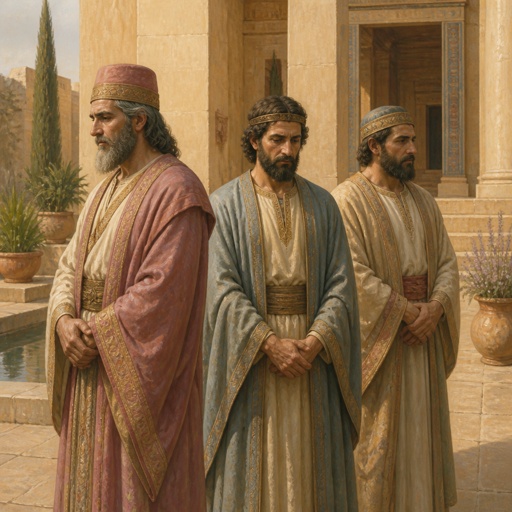
"And Poratha, and Adalia, and Aridatha," - Esther 9:8

Esther 9:6 - "And in Shushan the palace the Jews slew and destroyed five hundred men."
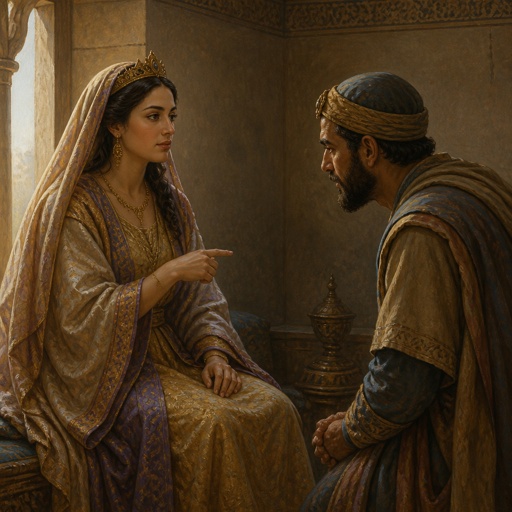
"¶ Again Esther spake unto Hatach, and gave him commandment unto Mordecai;" - Esther 4:10
"And they told to Mordecai Esther's words." - Esther 4:12

Esther 9:25 - "But when Esther came before the king, he commanded by letters that his wicked device, which he devised against the Jews, should return upon his own head, and that he and his sons should be hanged on the gallows."

Esther 9:11 - "On that day the number of those that were slain in Shushan the palace was brought before the king."