What does Esther 4:8 mean?
"Also he gave him the copy of the writing of the decree that was given at Shushan to destroy them, to shew it unto Esther, and to declare it unto her, and to charge her that she should go in unto the king, to make supplication unto him, and to make request before him for her people." - Esther 4:8
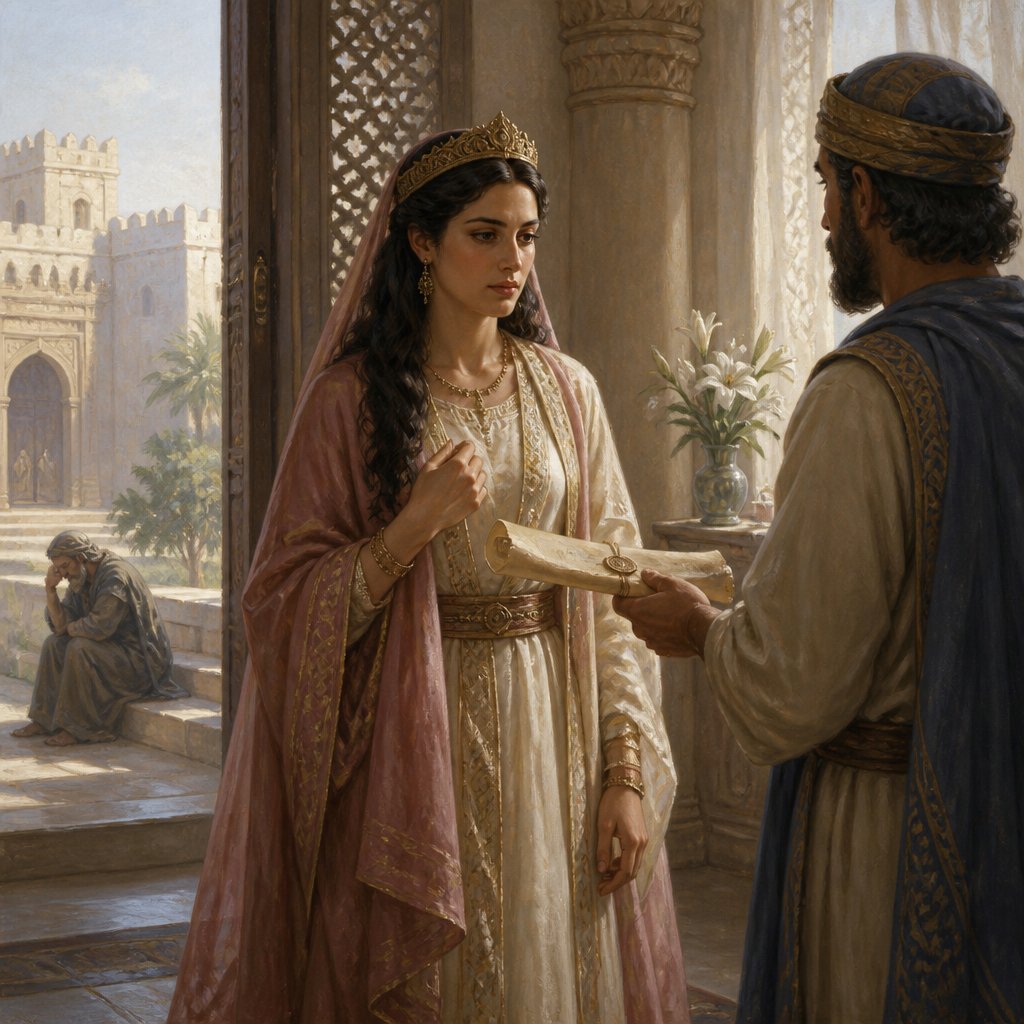
The Book of Esther in the Bible is a fascinating and morally imbued narrative about a Jewish girl named Esther who became a queen and saved her people from annihilation at the hands of a villainous prime minister, Haman. The Bible verse Esther 4:8 holds within it a vital moment in this biblical narrative, as it precedes the turning point of the entire story.
Esther 4:8 in the King James Version (KJV) states, "Also he gave him the copy of the writing of the decree that was given at Shushan to destroy them, to show it unto Esther, and to declare it unto her, and to charge her that she should go in unto the king, to make supplication unto him, and to make request before him for her people."
The verse takes place at a crucial juncture in the story where Mordecai, Esther's cousin and guardian, sends a copy of the decree to Esther, informing her of the impending doom that threatens the Jewish people. He charges her with the weighty task of going before the King to plead for the lives of her people. The gravity of the situation is underscored by the urgency and importance of the plea that Esther is called to make.
The context of this verse is important for understanding its significance in the larger narrative. Esther, a Jewish orphan who had been adopted and raised by Mordecai, had become queen of Persia, unbeknownst to the king that she was Jewish. When King Xerxes, under the influence of Haman, decreed the annihilation of the Jewish people, Mordecai called on Esther to use her position to intervene and seek the king's help. However, approaching the king without being summoned was a dangerous act that could result in death, even for the queen.
The verse conveys the tension and fear that must have consumed Esther upon receiving this charge from Mordecai. The risk of approaching the king was magnified by the fact that Esther had not been called to him for 30 days. Furthermore, the law of the land stipulated that anyone, including the queen, who approached the king without being summoned would be put to death unless the king extended his gold scepter in mercy. This created a formidable barrier for Esther, and it highlights the dire circumstances in which the Jewish people found themselves.
The themes that emerge from Esther 4:8 include courage, sacrifice, and the providence of God. Esther is faced with a decision that demands great courage and self-sacrifice. She must choose between her own safety and the well-being of her people. Her willingness to risk her life in order to intercede for her people is a compelling demonstration of courage and selflessness. Mordecai's charge to Esther also emphasizes the recognition of divine providence. It is clear that he believes Esther has been placed in her position as queen for a divine purpose. This idea is upheld throughout the book as the theme of God's providential care for His people becomes increasingly evident.
The verse also symbolizes the role and responsibility of believers in using their positions and privileges to advocate for justice and mercy. Esther is a powerful example of an individual using her influence and position to advocate for the oppressed and marginalized. Her bravery in approaching the king serves as a model for believers to use their resources and positions to advance the cause of justice and mercy, even at great personal risk.
In conclusion, Esther 4:8 captures a pivotal moment in the biblical narrative of Esther. It conveys themes of courage, sacrifice, and divine providence while also symbolizing the responsibility of believers to advocate for justice and mercy. This verse serves as a reminder of the power of individual action to bring about meaningful change, as well as a testament to the overarching providence and sovereignty of God.
Have questions about Esther 4:8?
Dive deeper into this scripture with Bible Chat — an AI-powered tool for exploring God's Word through conversation. Ask questions, get context, and grow in your understanding of the Bible.
Get Our Apps


Esther 4:8 Artwork

Esther 4:8 - "Also he gave him the copy of the writing of the decree that was given at Shushan to destroy them, to shew it unto Esther, and to declare it unto her, and to charge her that she should go in unto the king, to make supplication unto him, and to make request before him for her people."
"Also he gave him the copy of the writing of the decree that was given at Shushan to destroy them, to shew it unto Esther, and to declare it unto her, and to charge her that she should go in unto the king, to make supplication unto him, and to make request before him for her people." - Esther 4:8

Esther 8:4 - "Then the king held out the golden sceptre toward Esther. So Esther arose, and stood before the king,"

Esther 8:4

"Then the king held out the golden sceptre toward Esther. So Esther arose, and stood before the king," - Esther 8:4

Esther 4:15 - "¶ Then Esther bade them return Mordecai this answer,"

Esther 4:9 - "And Hatach came and told Esther the words of Mordecai."

Esther 4:10 - "¶ Again Esther spake unto Hatach, and gave him commandment unto Mordecai;"

Esther 8:1 - "On that day did the king Ahasuerus give the house of Haman the Jews' enemy unto Esther the queen. And Mordecai came before the king; for Esther had told what he was unto her."

Esther 9:8 - "And Poratha, and Adalia, and Aridatha,"

Esther 4:17 - "So Mordecai went his way, and did according to all that Esther had commanded him."

Esther 8:7 - "¶ Then the king Ahasuerus said unto Esther the queen and to Mordecai the Jew, Behold, I have given Esther the house of Haman, and him they have hanged upon the gallows, because he laid his hand upon the Jews."

Esther 4:12 - "And they told to Mordecai Esther's words."

"And Hatach came and told Esther the words of Mordecai." - Esther 4:9

"¶ Then Esther bade them return Mordecai this answer," - Esther 4:15

Esther 8:16 - "The Jews had light, and gladness, and joy, and honour."

Esther 4:13 - "Then Mordecai commanded to answer Esther, Think not with thyself that thou shalt escape in the king's house, more than all the Jews."
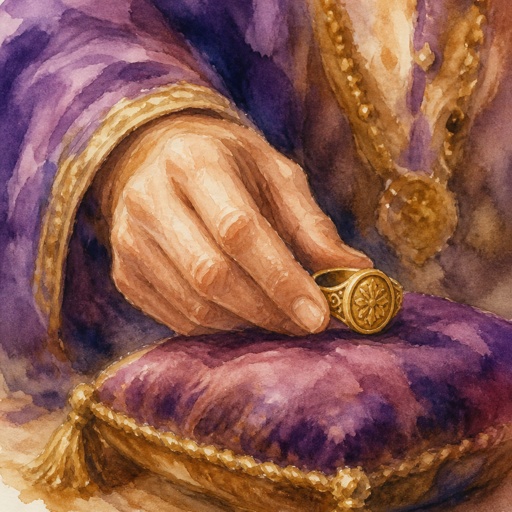
Esther 8:2 focus on the ring

Esther 5:4 - "And Esther answered, If it seem good unto the king, let the king and Haman come this day unto the banquet that I have prepared for him."

Esther 8:2 - "And the king took off his ring, which he had taken from Haman, and gave it unto Mordecai. And Esther set Mordecai over the house of Haman."

Esther 4:5 - "Then called Esther for Hatach, one of the king's chamberlains, whom he had appointed to attend upon her, and gave him a commandment to Mordecai, to know what it was, and why it was."
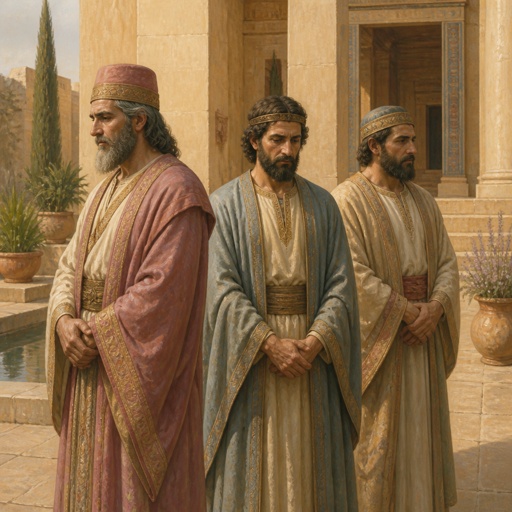
"And Poratha, and Adalia, and Aridatha," - Esther 9:8

Esther 8:3 - "¶ And Esther spake yet again before the king, and fell down at his feet, and besought him with tears to put away the mischief of Haman the Agagite, and his device that he had devised against the Jews."
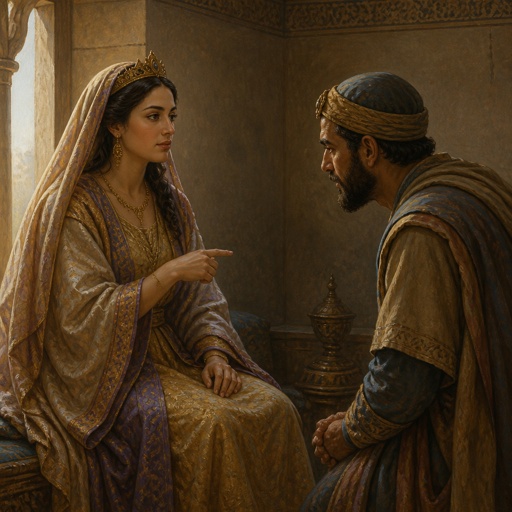
"¶ Again Esther spake unto Hatach, and gave him commandment unto Mordecai;" - Esther 4:10
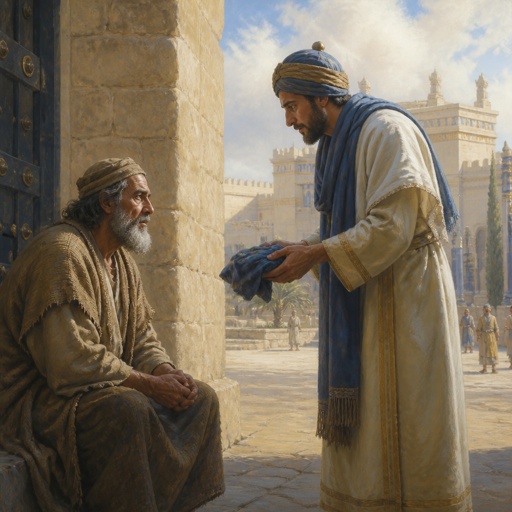
"And they told to Mordecai Esther's words." - Esther 4:12

"So Mordecai went his way, and did according to all that Esther had commanded him." - Esther 4:17

Esther 2:8 - "¶ So it came to pass, when the king's commandment and his decree was heard, and when many maidens were gathered together unto Shushan the palace, to the custody of Hegai, that Esther was brought also unto the king's house, to the custody of Hegai, keeper of the women."

"On that day did the king Ahasuerus give the house of Haman the Jews' enemy unto Esther the queen. And Mordecai came before the king; for Esther had told what he was unto her." - Esther 8:1

Esther 8:8 - "Write ye also for the Jews, as it liketh you, in the king's name, and seal it with the king's ring: for the writing which is written in the king's name, and sealed with the king's ring, may no man reverse."

Esther 7:8 - "Then the king returned out of the palace garden into the place of the banquet of wine; and Haman was fallen upon the bed whereon Esther was. Then said the king, Will he force the queen also before me in the house? As the word went out of the king's mouth, they covered Haman's face."