What does Esther 4:13 mean?
"Then Mordecai commanded to answer Esther, Think not with thyself that thou shalt escape in the king's house, more than all the Jews." - Esther 4:13
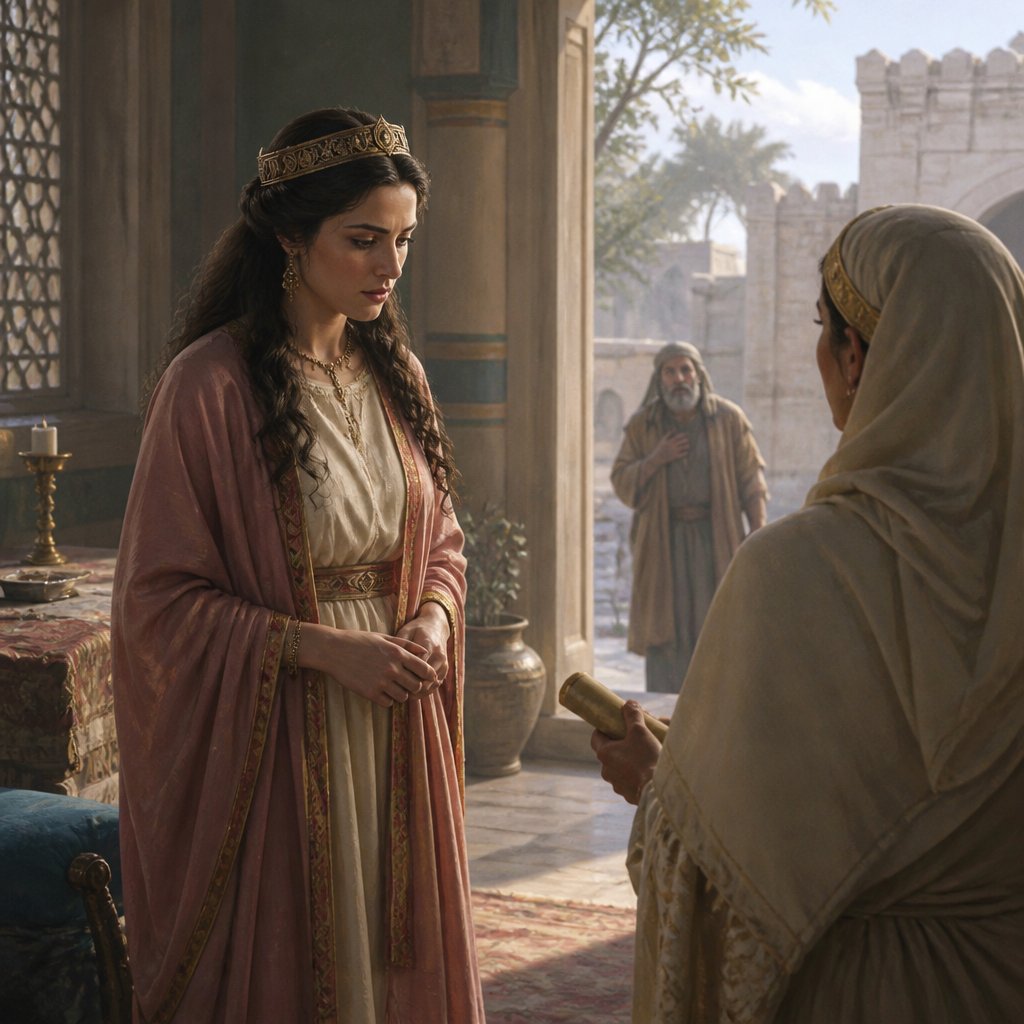
The book of Esther is a powerful and captivating account of a young Jewish woman who becomes queen of Persia and saves her people from genocide. In Esther 4:13, Mordecai, Esther's cousin and father figure, sends her a message urging her to speak to the king on behalf of her people. The verse reads, "Then Mordecai commanded to answer Esther, Think not with thyself that thou shalt escape in the king's house, more than all the Jews."
The context of this verse is crucial to understanding its significance. The book of Esther takes place during the time of the Persian Empire, and the Jewish people are living as a minority under King Xerxes. The plot begins when the king dismisses his queen, Vashti, and searches for a new queen. Esther, a young Jewish orphan, is chosen for her beauty and humility. However, Esther's ethnicity is unknown to the king and his court. As events unfold, a plot to destroy the Jewish people is exposed, and Mordecai implores Esther to use her position as queen to intervene with the king and save her people.
The verse 4:13 is a turning point in the book, as Mordecai's message to Esther represents a call to action and a reminder of her duty to her people. In this verse, Mordecai challenges Esther's initial hesitation to approach the king and urges her to recognize that her position as queen does not exempt her from the fate of her people. This message serves as a stark reminder that even within the walls of the king's palace, Esther cannot remain indifferent to the suffering of her people. It also speaks to the responsibility that comes with privilege and power, as Esther is called to use her influence to protect her community.
Furthermore, Esther 4:13 captures the theme of courage and sacrifice that permeates the entire book. Mordecai's message emphasizes the perilous situation facing the Jewish people and the urgency of Esther's intervention. By urging her not to remain silent or detached from the plight of her people, Mordecai underscores the need for Esther to find the courage to confront the king, despite the risk to her own life. This verse highlights the tension between personal safety and the greater good, as Esther grapples with the daunting task of risking her own life to save her people.
The symbolism in Esther 4:13 is rich and multi-layered. On one level, the verse symbolizes the timeless struggle of individuals faced with the choice between self-preservation and altruism. It illustrates the conflict between personal desires and communal responsibilities, as Esther is forced to reconcile the safety and comfort of her position with the suffering of her people. On another level, the verse symbolizes the power of leadership and the potential for positive change. Mordecai's message underscores the transformative influence of those in positions of authority and their capacity to advocate for justice and mercy.
In conclusion, Esther 4:13 is a pivotal verse in the book of Esther, encapsulating the themes of courage, sacrifice, and leadership. It serves as a poignant reminder of the moral imperative to stand up for those in need, even at great personal risk. The verse also symbolizes the tension between individual safety and communal welfare, challenging readers to consider the moral dilemmas inherent in the exercise of power and privilege. Ultimately, Esther 4:13 is a powerful and enduring testament to the enduring relevance of the biblical narrative and its timeless lessons on faith, courage, and selflessness.
Have questions about Esther 4:13?
Dive deeper into this scripture with Bible Chat — an AI-powered tool for exploring God's Word through conversation. Ask questions, get context, and grow in your understanding of the Bible.
Get Our Apps


Esther 4:13 Artwork

Esther 4:13 - "Then Mordecai commanded to answer Esther, Think not with thyself that thou shalt escape in the king's house, more than all the Jews."
"Then Mordecai commanded to answer Esther, Think not with thyself that thou shalt escape in the king's house, more than all the Jews." - Esther 4:13

Esther 8:4 - "Then the king held out the golden sceptre toward Esther. So Esther arose, and stood before the king,"

Esther 4:15 - "¶ Then Esther bade them return Mordecai this answer,"

Esther 4:9 - "And Hatach came and told Esther the words of Mordecai."

Esther 4:10 - "¶ Again Esther spake unto Hatach, and gave him commandment unto Mordecai;"

Esther 4:17 - "So Mordecai went his way, and did according to all that Esther had commanded him."

Esther 8:4

Esther 4:12 - "And they told to Mordecai Esther's words."

"And Hatach came and told Esther the words of Mordecai." - Esther 4:9

"¶ Then Esther bade them return Mordecai this answer," - Esther 4:15

Esther 5:4 - "And Esther answered, If it seem good unto the king, let the king and Haman come this day unto the banquet that I have prepared for him."

Esther 9:13 - "Then said Esther, If it please the king, let it be granted to the Jews which are in Shushan to do to morrow also according unto this day's decree, and let Haman's ten sons be hanged upon the gallows."

"Then the king held out the golden sceptre toward Esther. So Esther arose, and stood before the king," - Esther 8:4

Esther 4:5 - "Then called Esther for Hatach, one of the king's chamberlains, whom he had appointed to attend upon her, and gave him a commandment to Mordecai, to know what it was, and why it was."

"¶ Again Esther spake unto Hatach, and gave him commandment unto Mordecai;" - Esther 4:10
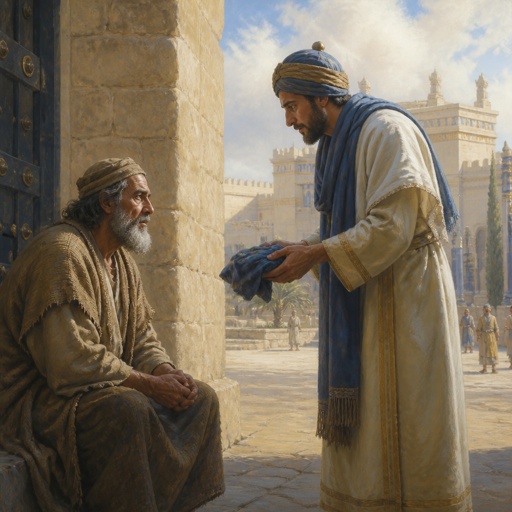
"And they told to Mordecai Esther's words." - Esther 4:12

"So Mordecai went his way, and did according to all that Esther had commanded him." - Esther 4:17

Esther 5:13 - "Yet all this availeth me nothing, so long as I see Mordecai the Jew sitting at the king's gate."
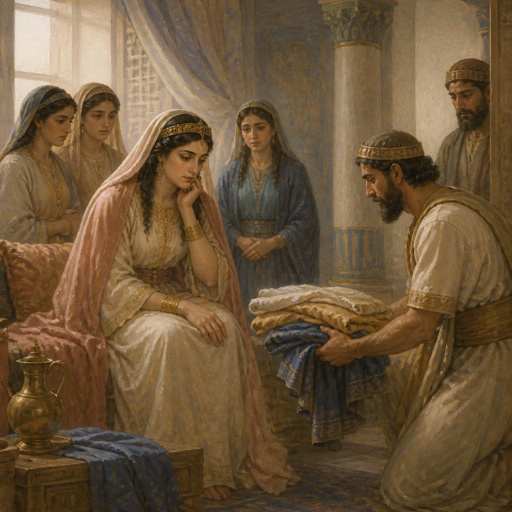
"¶ So Esther's maids and her chamberlains came and told it her. Then was the queen exceedingly grieved; and she sent raiment to clothe Mordecai, and to take away his sackcloth from him: but he received it not." - Esther 4:4

Esther 4:6 - "So Hatach went forth to Mordecai unto the street of the city, which was before the king's gate."
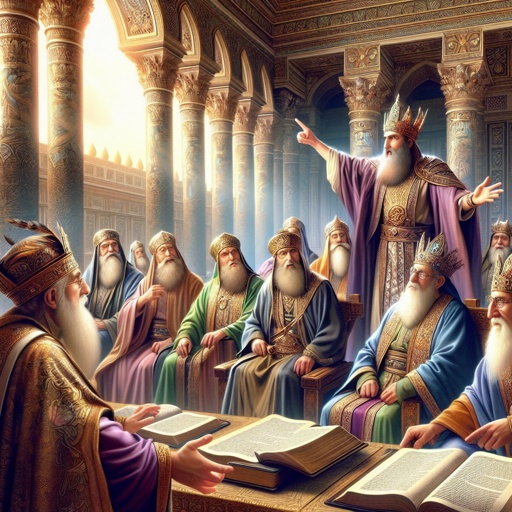
Esther 1:13 - "¶ Then the king said to the wise men, which knew the times, (for so was the king's manner toward all that knew law and judgment:"

Esther 4:4 - "¶ So Esther's maids and her chamberlains came and told it her. Then was the queen exceedingly grieved; and she sent raiment to clothe Mordecai, and to take away his sackcloth from him: but he received it not."

Esther 4:2 - "And came even before the king's gate: for none might enter into the king's gate clothed with sackcloth."

Esther 4:8 - "Also he gave him the copy of the writing of the decree that was given at Shushan to destroy them, to shew it unto Esther, and to declare it unto her, and to charge her that she should go in unto the king, to make supplication unto him, and to make request before him for her people."

Esther 8:13 - "The copy of the writing for a commandment to be given in every province was published unto all people, and that the Jews should be ready against that day to avenge themselves on their enemies."

Esther 2:4 - "And let the maiden which pleaseth the king be queen instead of Vashti. And the thing pleased the king; and he did so."

Esther 9:4 - "For Mordecai was great in the king's house, and his fame went out throughout all the provinces: for this man Mordecai waxed greater and greater."

Esther 2:13 - "Then thus came every maiden unto the king; whatsoever she desired was given her to go with her out of the house of the women unto the king's house."
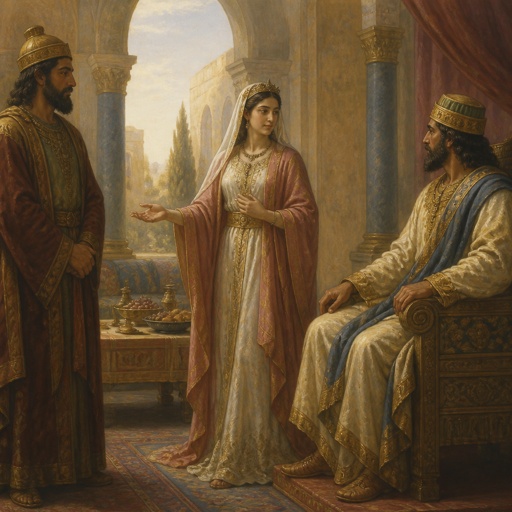
"And Esther answered, If it seem good unto the king, let the king and Haman come this day unto the banquet that I have prepared for him." - Esther 5:4