What does Esther 4:10 mean?
"¶ Again Esther spake unto Hatach, and gave him commandment unto Mordecai;" - Esther 4:10

The book of Esther is a unique and intriguing story in the Bible, as it does not explicitly mention the name of God, yet it demonstrates His providential care for His people. This verse, Esther 4:10, is part of a crucial moment in the narrative, where Queen Esther is faced with a critical decision that will impact the fate of her people, the Jews. The verse reads: "Again Esther spake unto Hatach, and gave him commandment unto Mordecai;" This verse is part of a larger passage where Esther learns about the plot devised by Haman to exterminate the Jewish people and is called upon by her cousin Mordecai to intervene and plead for their deliverance.
The book of Esther is set in the Persian Empire during the reign of King Xerxes I, who is also known as King Ahasuerus. It is important to note the historical context of this verse and the entire book, as it takes place during a time when the Jewish people were in exile and were living as a minority within a foreign culture. The tension and fear of persecution are palpable throughout the narrative, making the ultimate deliverance of the Jews even more significant.
The verse Esther 4:10 is pivotal in the story, as it marks the moment when Esther decides to take action and approach the king on behalf of her people, despite the potential consequences that she might face by doing so. This decision is fraught with risk, as approaching the king without being summoned could result in death. However, Mordecai’s words to Esther in the preceding verses (Esther 4:8-9) serve as a catalyst for her courage and sense of responsibility towards her people, as he urges her not to remain silent at this critical hour.
The theme of courageous action in the face of adversity is predominant in this verse. Esther’s willingness to risk her own life for the sake of her people exemplifies the selflessness and bravery that is often required of those who follow God. Her actions can also be seen as a foreshadowing of the ultimate sacrifice of Jesus Christ, who laid down His life for the salvation of all people.
Another theme that emerges from this verse and the larger narrative is the providence of God. Although God is not explicitly mentioned in the book of Esther, His hand is evident throughout the events that unfold. This verse portrays Esther’s trust in God’s guiding providence, as she obediently follows the counsel of Mordecai, her elder and guardian. Esther’s actions also demonstrate the partnership between human agency and divine providence, as she takes a bold step while also seeking the guidance and support of her elders.
The symbolism in this verse is significant as well. The name “Esther” means “star” in Persian, and her role in the story can be likened to a guiding light in a time of darkness. Just as stars provide guidance and illumination in the night sky, Esther’s actions serve to guide and protect her people in their time of need. Additionally, Esther’s position as queen and her courageous intervention can be seen as a reflection of the redemptive work of Christ, who intercedes on behalf of His people before the ultimate King, God.
In conclusion, Esther 4:10 is a verse that encapsulates the underlying themes of courage, providence, and self-sacrifice that permeate the narrative of the book of Esther. Esther’s decision to approach the king on behalf of her people serves as a powerful example of obedience and trust in God’s providential care. This verse reminds us of the importance of taking bold and courageous actions in the face of adversity and of seeking God’s guidance and strength in all circumstances.
Have questions about Esther 4:10?
Dive deeper into this scripture with Bible Chat — an AI-powered tool for exploring God's Word through conversation. Ask questions, get context, and grow in your understanding of the Bible.
Get Our Apps


Esther 4:10 Artwork

Esther 4:10 - "¶ Again Esther spake unto Hatach, and gave him commandment unto Mordecai;"

"¶ Again Esther spake unto Hatach, and gave him commandment unto Mordecai;" - Esther 4:10

Esther 8:4 - "Then the king held out the golden sceptre toward Esther. So Esther arose, and stood before the king,"

Esther 4:15 - "¶ Then Esther bade them return Mordecai this answer,"

Esther 4:9 - "And Hatach came and told Esther the words of Mordecai."

Esther 4:17 - "So Mordecai went his way, and did according to all that Esther had commanded him."

Esther 2:10 - "Esther had not shewed her people nor her kindred: for Mordecai had charged her that she should not shew it."

Esther 8:4

Esther 4:12 - "And they told to Mordecai Esther's words."

"And Hatach came and told Esther the words of Mordecai." - Esther 4:9

"¶ Then Esther bade them return Mordecai this answer," - Esther 4:15

Esther 4:13 - "Then Mordecai commanded to answer Esther, Think not with thyself that thou shalt escape in the king's house, more than all the Jews."

Esther 5:4 - "And Esther answered, If it seem good unto the king, let the king and Haman come this day unto the banquet that I have prepared for him."
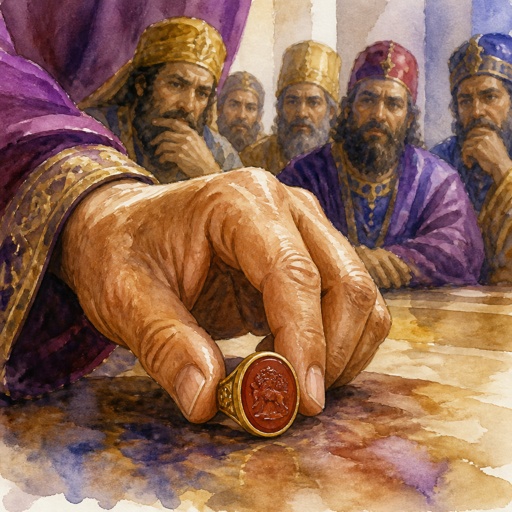
Esther 3:10 focus on ring

"Then the king held out the golden sceptre toward Esther. So Esther arose, and stood before the king," - Esther 8:4

Esther 4:5 - "Then called Esther for Hatach, one of the king's chamberlains, whom he had appointed to attend upon her, and gave him a commandment to Mordecai, to know what it was, and why it was."

Esther 10:1 - "And the king Ahasuerus laid a tribute upon the land, and upon the isles of the sea."
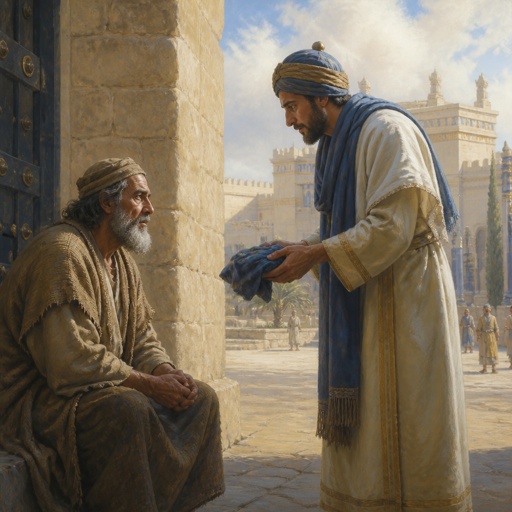
"And they told to Mordecai Esther's words." - Esther 4:12

Esther 9:10 - "The ten sons of Haman the son of Hammedatha, the enemy of the Jews, slew they; but on the spoil laid they not their hand."

Esther 7:10 - "So they hanged Haman on the gallows that he had prepared for Mordecai. Then was the king's wrath pacified."

"So Mordecai went his way, and did according to all that Esther had commanded him." - Esther 4:17
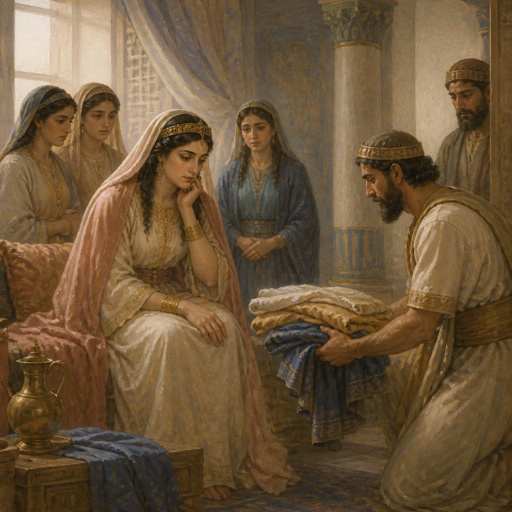
"¶ So Esther's maids and her chamberlains came and told it her. Then was the queen exceedingly grieved; and she sent raiment to clothe Mordecai, and to take away his sackcloth from him: but he received it not." - Esther 4:4

Esther 4:6 - "So Hatach went forth to Mordecai unto the street of the city, which was before the king's gate."

"Esther had not shewed her people nor her kindred: for Mordecai had charged her that she should not shew it." - Esther 2:10

Esther 4:4 - "¶ So Esther's maids and her chamberlains came and told it her. Then was the queen exceedingly grieved; and she sent raiment to clothe Mordecai, and to take away his sackcloth from him: but he received it not."

Esther 4:2 - "And came even before the king's gate: for none might enter into the king's gate clothed with sackcloth."

Esther 5:10 - "Nevertheless Haman refrained himself: and when he came home, he sent and called for his friends, and Zeresh his wife."

Esther 3:10 - "And the king took his ring from his hand, and gave it unto Haman the son of Hammedatha the Agagite, the Jews' enemy."

Esther 4:8 - "Also he gave him the copy of the writing of the decree that was given at Shushan to destroy them, to shew it unto Esther, and to declare it unto her, and to charge her that she should go in unto the king, to make supplication unto him, and to make request before him for her people."
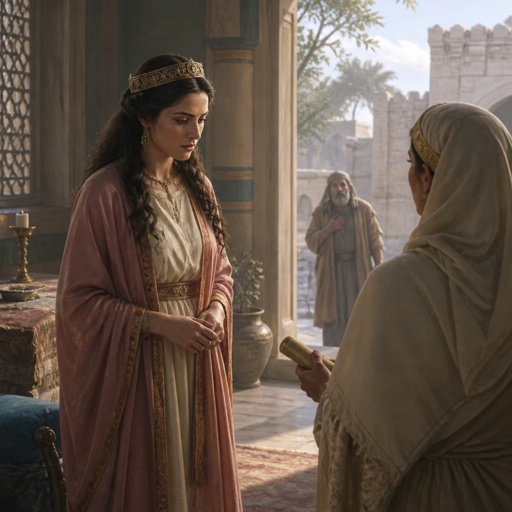
"Then Mordecai commanded to answer Esther, Think not with thyself that thou shalt escape in the king's house, more than all the Jews." - Esther 4:13