What does Esther 3:8 mean?
"¶ And Haman said unto king Ahasuerus, There is a certain people scattered abroad and dispersed among the people in all the provinces of thy kingdom; and their laws are diverse from all people; neither keep they the king's laws: therefore it is not for the king's profit to suffer them." - Esther 3:8
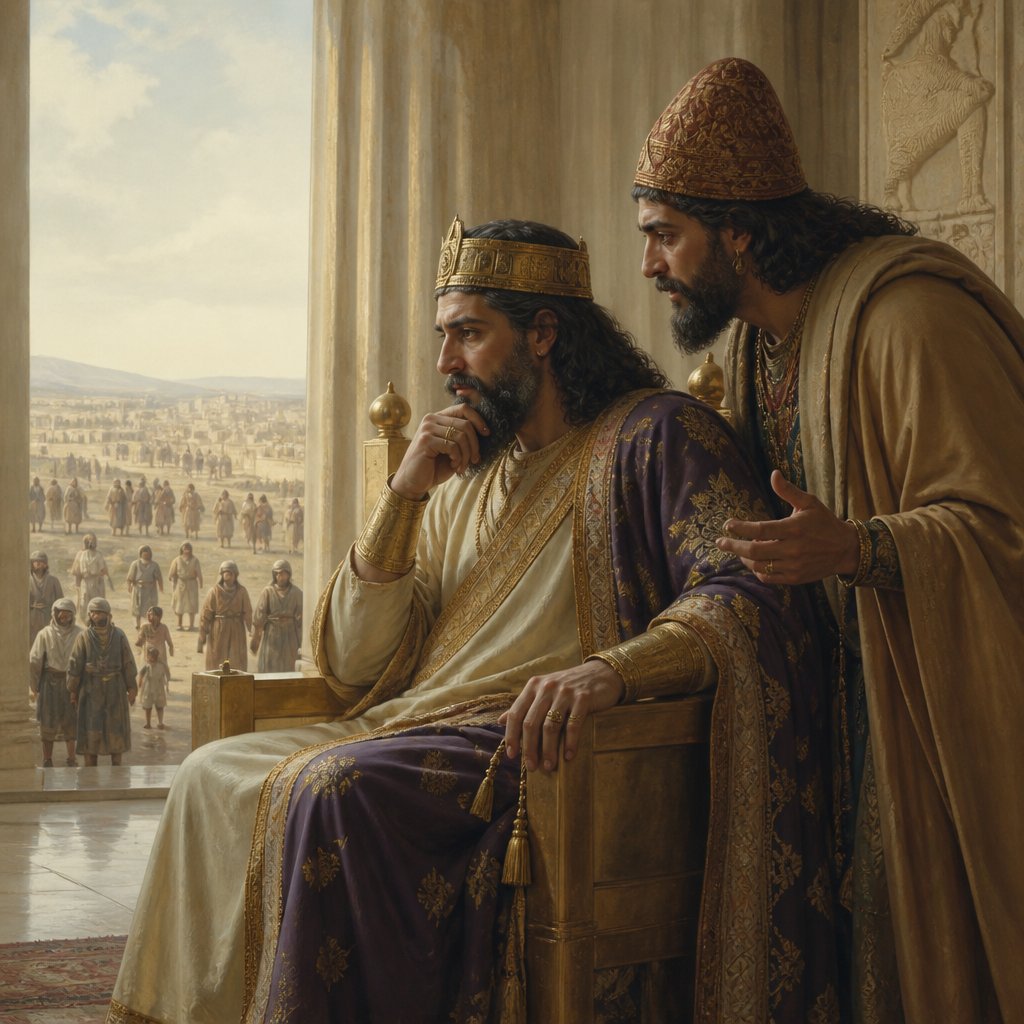
The book of Esther is a part of the Hebrew Bible and the Christian Old Testament. It tells the story of a Jewish girl named Esther who becomes the queen of Persia and ultimately, through a series of events orchestrated by divine providence, saves the Jewish people from genocide.
Esther 3:8 in the King James Version reads: "And Haman said unto king Ahasuerus, There is a certain people scattered abroad and dispersed among the people in all the provinces of thy kingdom; and their laws are diverse from all people; neither keep they the king's laws: therefore it is not for the king's profit to suffer them."
This verse occurs in the context of the rise of Haman, a high-ranking official in the Persian Empire, who is determined to annihilate the Jewish people because of his personal vendetta against a specific Jewish man, Mordecai. Haman manipulates King Ahasuerus into issuing a decree to exterminate the Jews, and this verse records his speech to the king, where he poisons the king's mind against this innocent and dispersed people.
The verse speaks to a number of important themes, both within the context of the book of Esther and within the broader biblical narrative. One such theme is the presence of anti-Semitism and the persistence of those who seek to destroy the Jewish people. Throughout history, Jews have been targeted for their beliefs, customs, and practices, and this verse reflects a recurring pattern of persecution faced by the Jewish community. This theme highlights the importance of standing up against injustice and advocating for the rights and safety of marginalized and oppressed groups.
Additionally, the verse touches on the tension between assimilation and maintaining religious identity. The Jewish people were "scattered abroad and dispersed among the people in all the provinces" of the Persian Empire, and they faced the challenge of preserving their distinctiveness in the face of assimilation into the dominant culture. This tension is a recurring theme in Jewish history, as the community has grappled with the balance between integrating into the broader society while maintaining their religious and cultural heritage.
Symbolically, the verse represents the timeless struggle between good and evil, as embodied by the characters of Mordecai and Haman. Mordecai, a righteous and faithful Jew, stands in stark contrast to the villainous and manipulative Haman. The verse also serves as a reminder of the power of individual actions and the potential for one person to make a profound difference in the lives of many. Through the courage and bravery of Esther, Mordecai, and others, the Jewish people are ultimately saved from the threat of destruction.
Furthermore, the verse serves as a poignant reminder of the importance of recognizing and challenging injustice, even when it may be politically or socially difficult to do so. In this case, King Ahasuerus is swayed by Haman's persuasive rhetoric, and the lives of innocent people hang in the balance. The verse underscores the responsibility of those in positions of power to protect the rights and dignity of all people, and the moral imperative to speak out against discrimination and persecution.
In conclusion, Esther 3:8 offers a rich and multilayered commentary on themes of persecution, identity, and the struggle between good and evil. It serves as a powerful reminder of the enduring relevance of the biblical narrative and the timeless lessons it imparts on the human experience.
Have questions about Esther 3:8?
Dive deeper into this scripture with Bible Chat — an AI-powered tool for exploring God's Word through conversation. Ask questions, get context, and grow in your understanding of the Bible.
Get Our Apps


Esther 3:8 Artwork
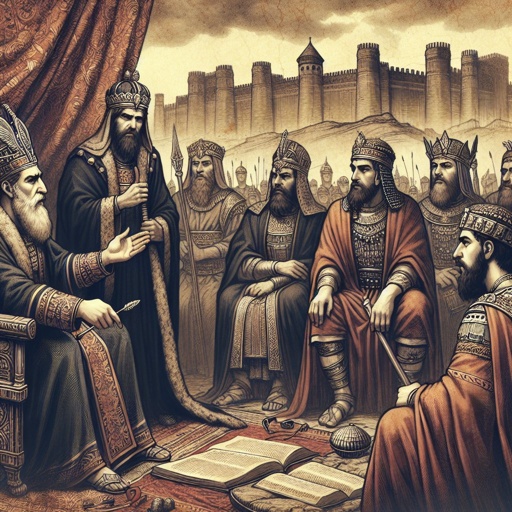
Esther 3:8 - "¶ And Haman said unto king Ahasuerus, There is a certain people scattered abroad and dispersed among the people in all the provinces of thy kingdom; and their laws are diverse from all people; neither keep they the king's laws: therefore it is not for the king's profit to suffer them."
"¶ And Haman said unto king Ahasuerus, There is a certain people scattered abroad and dispersed among the people in all the provinces of thy kingdom; and their laws are diverse from all people; neither keep they the king's laws: therefore it is not for the king's profit to suffer them." - Esther 3:8

Esther 8:3 - "¶ And Esther spake yet again before the king, and fell down at his feet, and besought him with tears to put away the mischief of Haman the Agagite, and his device that he had devised against the Jews."

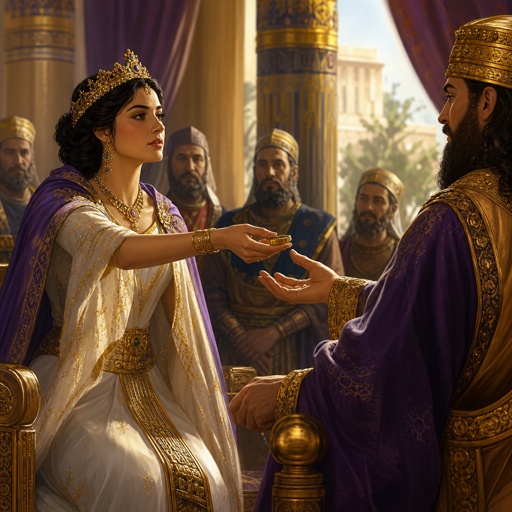
Esther 8:4 - "Then the king held out the golden sceptre toward Esther. So Esther arose, and stood before the king,"

Esther 8:1 - "On that day did the king Ahasuerus give the house of Haman the Jews' enemy unto Esther the queen. And Mordecai came before the king; for Esther had told what he was unto her."
Esther 8:4

Esther 9:8 - "And Poratha, and Adalia, and Aridatha,"

Esther 8:7 - "¶ Then the king Ahasuerus said unto Esther the queen and to Mordecai the Jew, Behold, I have given Esther the house of Haman, and him they have hanged upon the gallows, because he laid his hand upon the Jews."

Esther 8:16 - "The Jews had light, and gladness, and joy, and honour."
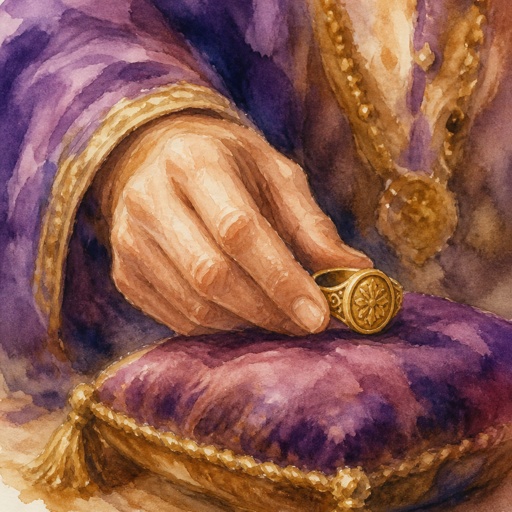
Esther 8:2 focus on the ring

"Then the king held out the golden sceptre toward Esther. So Esther arose, and stood before the king," - Esther 8:4

Esther 8:2 - "And the king took off his ring, which he had taken from Haman, and gave it unto Mordecai. And Esther set Mordecai over the house of Haman."

Esther 5:3 - "Then said the king unto her, What wilt thou, queen Esther? and what is thy request? it shall be even given thee to the half of the kingdom."
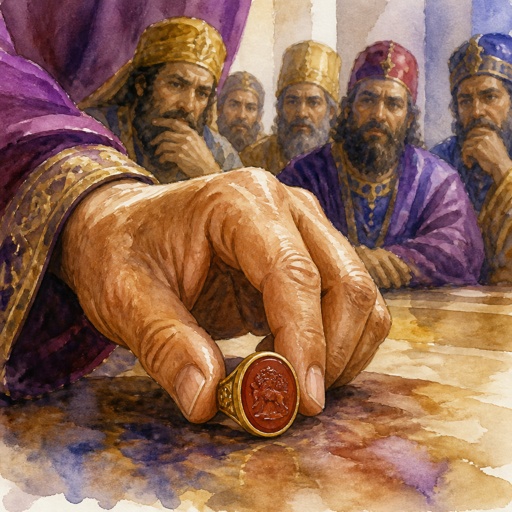
Esther 3:10 focus on ring
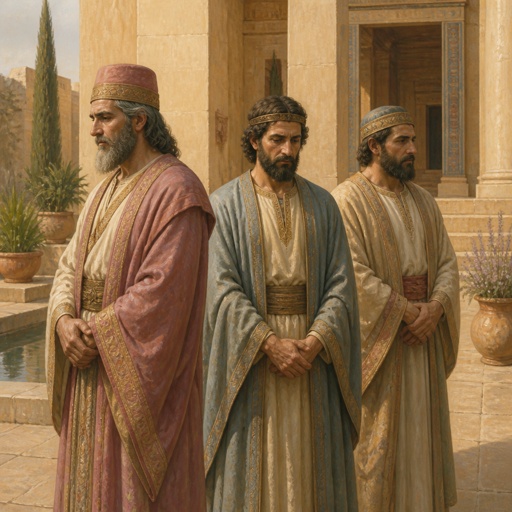
"And Poratha, and Adalia, and Aridatha," - Esther 9:8
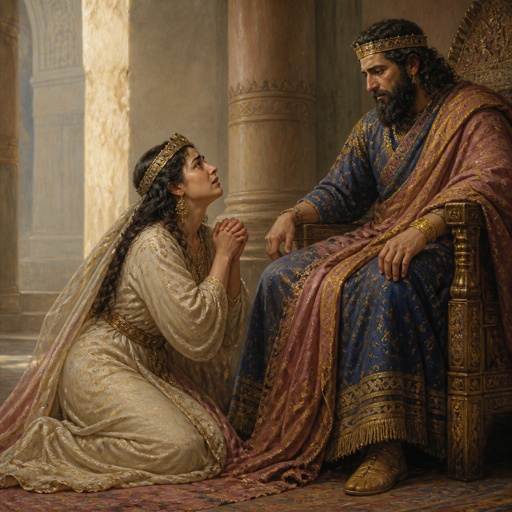
"¶ And Esther spake yet again before the king, and fell down at his feet, and besought him with tears to put away the mischief of Haman the Agagite, and his device that he had devised against the Jews." - Esther 8:3

Esther 3:3 - "Then the king's servants, which were in the king's gate, said unto Mordecai, Why transgressest thou the king's commandment?"

Esther 7:3 - "Then Esther the queen answered and said, If I have found favour in thy sight, O king, and if it please the king, let my life be given me at my petition, and my people at my request:"

Esther 2:8 - "¶ So it came to pass, when the king's commandment and his decree was heard, and when many maidens were gathered together unto Shushan the palace, to the custody of Hegai, that Esther was brought also unto the king's house, to the custody of Hegai, keeper of the women."

"On that day did the king Ahasuerus give the house of Haman the Jews' enemy unto Esther the queen. And Mordecai came before the king; for Esther had told what he was unto her." - Esther 8:1

Esther 8:8 - "Write ye also for the Jews, as it liketh you, in the king's name, and seal it with the king's ring: for the writing which is written in the king's name, and sealed with the king's ring, may no man reverse."

Esther 7:8 - "Then the king returned out of the palace garden into the place of the banquet of wine; and Haman was fallen upon the bed whereon Esther was. Then said the king, Will he force the queen also before me in the house? As the word went out of the king's mouth, they covered Haman's face."

Esther 4:8 - "Also he gave him the copy of the writing of the decree that was given at Shushan to destroy them, to shew it unto Esther, and to declare it unto her, and to charge her that she should go in unto the king, to make supplication unto him, and to make request before him for her people."

Esther 3:5 - "And when Haman saw that Mordecai bowed not, nor did him reverence, then was Haman full of wrath."
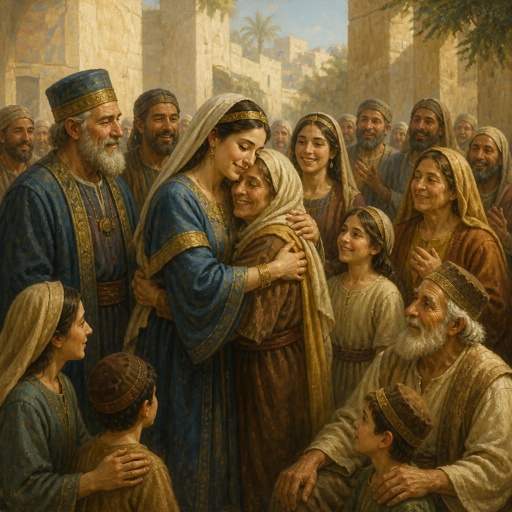
"The Jews had light, and gladness, and joy, and honour." - Esther 8:16

Esther 8:14 - "So the posts that rode upon mules and camels went out, being hastened and pressed on by the king's commandment. And the decree was given at Shushan the palace."

Esther 8:10 - "And he wrote in the king Ahasuerus' name, and sealed it with the king's ring, and sent letters by posts on horseback, and riders on mules, camels, and young dromedaries:"

Esther 8:12 - "Upon one day in all the provinces of king Ahasuerus, namely, upon the thirteenth day of the twelfth month, which is the month Adar."

Esther 9:3 - "And all the rulers of the provinces, and the lieutenants, and the deputies, and officers of the king, helped the Jews; because the fear of Mordecai fell upon them."

Esther 3:14 - "The copy of the writing for a commandment to be given in every province was published unto all people, that they should be ready against that day."