What does Esther 2:23 mean?
"And when inquisition was made of the matter, it was found out; therefore they were both hanged on a tree: and it was written in the book of the chronicles before the king." - Esther 2:23
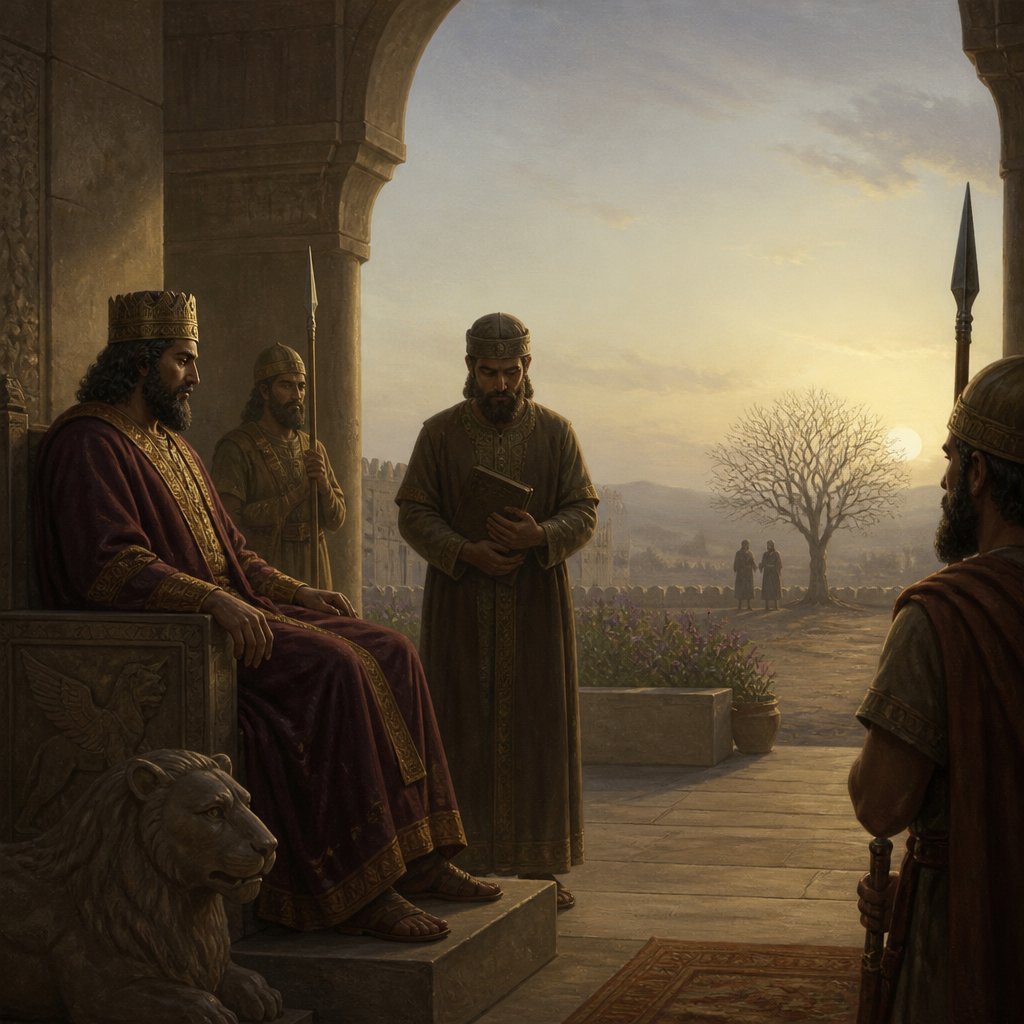
Esther 2:23 (KJV) reads, "And when inquisition was made of the matter, it was found out; therefore they were both hanged on a tree: and it was written in the book of the chronicles before the king."
The Book of Esther is a fascinating and complex text within the Bible, filled with drama, intrigue, and divine intervention. This verse occurs in the midst of the larger narrative of Queen Esther, a Jewish woman who becomes the queen of Persia, and her efforts to save her people from a genocide plotted by the king's advisor, Haman.
In this particular verse, we see the consequences of an investigation into an assassination plot against the king. The two men responsible for the plot are discovered and ultimately executed by being hanged on a tree. This turn of events serves as a significant moment in the larger narrative, further complicating the power dynamics at play in the Persian court and setting the stage for Esther's eventual reveal as a Jew and her courageous plea for her people.
One of the key themes that can be gleaned from this verse is the concept of justice and divine retribution. The idea that those who plot evil will ultimately face the consequences of their actions is a recurring theme throughout the Bible, and this verse is no exception. The swift and decisive punishment of the men who sought to harm the king demonstrates the belief in a divine order that operates to bring about justice in the world.
Furthermore, the method of execution, hanging on a tree, carries significant symbolism in the Bible. Throughout the Old Testament, trees are often used as symbols of life, knowledge, and the divine presence. In this context, the act of hanging the men on a tree can be seen not only as a form of punishment but also as a symbolic casting out of evil and corruption from the community.
Another important aspect of this verse is its portrayal of the power dynamics within the Persian court. The fact that this event is recorded in the "book of the chronicles before the king" highlights the importance of keeping detailed records and accounts of significant events within the kingdom. It also underscores the authoritarian nature of the Persian monarchy, where the king's authority and judgment are absolute.
From a broader historical and cultural context, the Book of Esther is set during the time of the Babylonian exile, when the Jewish people were living in the Persian Empire. The political and social tensions of this period significantly influence the events of the narrative, as the Jewish people navigate their place within a foreign and often hostile environment.
In conclusion, Esther 2:23 is a verse that carries a wealth of significance within the larger narrative of the Book of Esther. It reflects themes of justice, divine retribution, and the exercise of power in the Persian court. The act of hanging the conspirators on a tree serves as both a form of punishment and a symbolic casting out of evil. Furthermore, the verse is deeply rooted in the historical and cultural context of the Babylonian exile, providing a rich and multifaceted layer of meaning for readers to contemplate.
Have questions about Esther 2:23?
Dive deeper into this scripture with Bible Chat — an AI-powered tool for exploring God's Word through conversation. Ask questions, get context, and grow in your understanding of the Bible.
Get Our Apps


Esther 2:23 Artwork

Esther 2:23 - "And when inquisition was made of the matter, it was found out; therefore they were both hanged on a tree: and it was written in the book of the chronicles before the king."
"And when inquisition was made of the matter, it was found out; therefore they were both hanged on a tree: and it was written in the book of the chronicles before the king." - Esther 2:23

Esther 2:22 - "And the thing was known to Mordecai, who told it unto Esther the queen; and Esther certified the king thereof in Mordecai's name."

Esther 9:23 - "And the Jews undertook to do as they had begun, and as Mordecai had written unto them;"

Esther 5:2 - "And it was so, when the king saw Esther the queen standing in the court, that she obtained favour in his sight: and the king held out to Esther the golden sceptre that was in his hand. So Esther drew near, and touched the top of the sceptre."

Esther 2:20 - "Esther had not yet shewed her kindred nor her people; as Mordecai had charged her: for Esther did the commandment of Mordecai, like as when she was brought up with him."

Esther 7:2 - "And the king said again unto Esther on the second day at the banquet of wine, What is thy petition, queen Esther? and it shall be granted thee: and what is thy request? and it shall be performed, even to the half of the kingdom."

Esther 5:2

Esther 5:2

Esther 5:2

Esther 2:11 - "And Mordecai walked every day before the court of the women's house, to know how Esther did, and what should become of her."

Esther 2:10 - "Esther had not shewed her people nor her kindred: for Mordecai had charged her that she should not shew it."

Esther 5:2 - "And it was so, when the king saw Esther the queen standing in the court, that she obtained favour in his sight: and the king held out to Esther the golden sceptre that was in his hand. So Esther drew near, and touched the top of the sceptre."

"And the thing was known to Mordecai, who told it unto Esther the queen; and Esther certified the king thereof in Mordecai's name." - Esther 2:22

Esther 2:16 - "So Esther was taken unto king Ahasuerus into his house royal in the tenth month, which is the month Tebeth, in the seventh year of his reign."

Esther 8:2 - "And the king took off his ring, which he had taken from Haman, and gave it unto Mordecai. And Esther set Mordecai over the house of Haman."
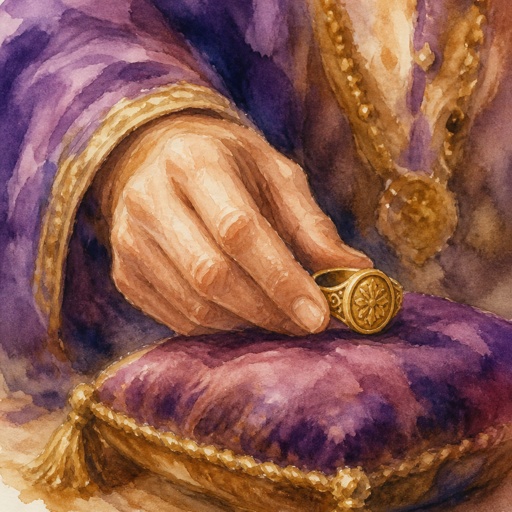
Esther 8:2 focus on the ring

Esther 2:15 - "¶ Now when the turn of Esther, the daughter of Abihail the uncle of Mordecai, who had taken her for his daughter, was come to go in unto the king, she required nothing but what Hegai the king's chamberlain, the keeper of the women, appointed. And Esther obtained favour in the sight of all them that looked upon her."

Esther 2:2 - "Then said the king's servants that ministered unto him, Let there be fair young virgins sought for the king:"
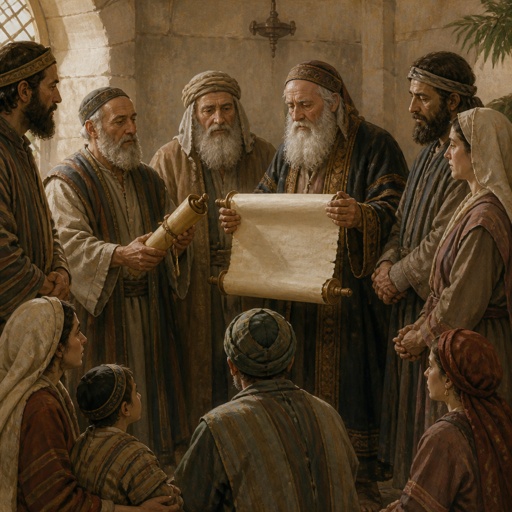
"And the Jews undertook to do as they had begun, and as Mordecai had written unto them;" - Esther 9:23

Esther 2:17 - "And the king loved Esther above all the women, and she obtained grace and favour in his sight more than all the virgins; so that he set the royal crown upon her head, and made her queen instead of Vashti."

Esther 2:7 - "And he brought up Hadassah, that is, Esther, his uncle's daughter: for she had neither father nor mother, and the maid was fair and beautiful; whom Mordecai, when her father and mother were dead, took for his own daughter."
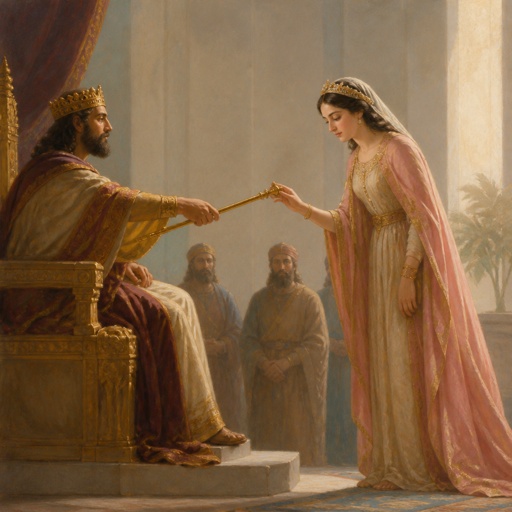
"And it was so, when the king saw Esther the queen standing in the court, that she obtained favour in his sight: and the king held out to Esther the golden sceptre that was in his hand. So Esther drew near, and touched the top of the sceptre." - Esther 5:2

Esther 2:8 - "¶ So it came to pass, when the king's commandment and his decree was heard, and when many maidens were gathered together unto Shushan the palace, to the custody of Hegai, that Esther was brought also unto the king's house, to the custody of Hegai, keeper of the women."

Esther 2:19 - "And when the virgins were gathered together the second time, then Mordecai sat in the king's gate."

Esther 1:2 - "That in those days, when the king Ahasuerus sat on the throne of his kingdom, which was in Shushan the palace,"
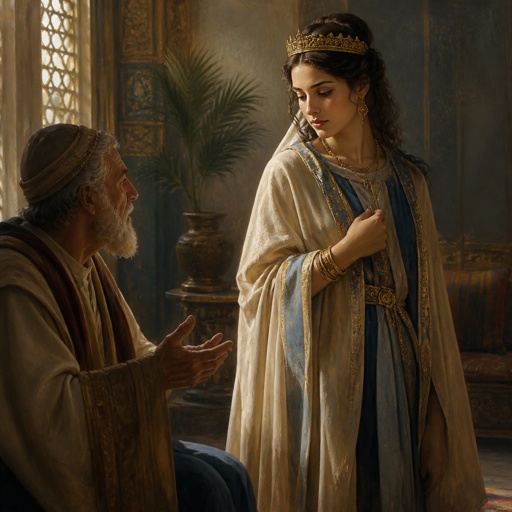
"Esther had not yet shewed her kindred nor her people; as Mordecai had charged her: for Esther did the commandment of Mordecai, like as when she was brought up with him." - Esther 2:20

Esther 4:2 - "And came even before the king's gate: for none might enter into the king's gate clothed with sackcloth."
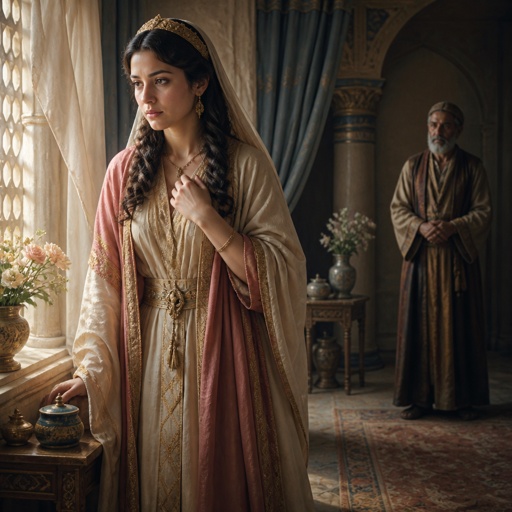
"Esther had not shewed her people nor her kindred: for Mordecai had charged her that she should not shew it." - Esther 2:10

Esther 2:3 - "And let the king appoint officers in all the provinces of his kingdom, that they may gather together all the fair young virgins unto Shushan the palace, to the house of the women, unto the custody of Hege the king's chamberlain, keeper of the women; and let their things for purification be given them:"