What does Esther 1:8 mean?
"And the drinking was according to the law; none did compel: for so the king had appointed to all the officers of his house, that they should do according to every man's pleasure." - Esther 1:8
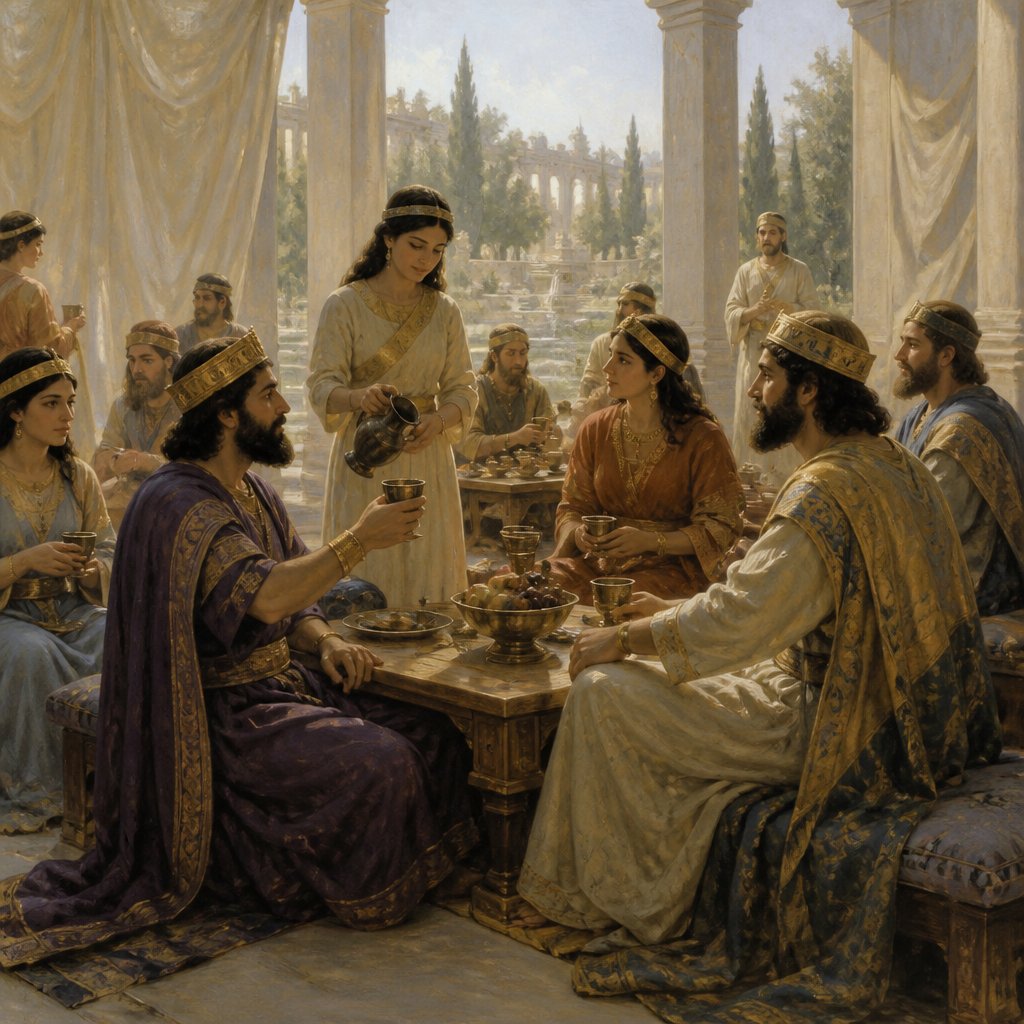
The verse Esther 1:8 in the King James Version of the Bible reads as follows:
"And the drinking was according to the law; none did compel: for so the king had appointed to all the officers of his house, that they should do according to every man's pleasure."
This verse comes from the book of Esther, which tells the story of a Jewish woman who becomes the queen of Persia and saves her people from a plot to destroy them. This particular verse occurs at the beginning of the book, as it sets the stage for the lavish and opulent celebrations held by King Ahasuerus.
The context of this verse is important in understanding its meaning and significance. In the preceding verses, we see King Ahasuerus throwing a grand banquet for his nobles, officials, and servants in the citadel of Susa. The feast lasts for 180 days and showcases the wealth and power of the king. This particular verse describes the drinking at the banquet as being "according to the law" and states that no one was compelled to drink, as it was the king's command that each person should do as they pleased.
One of the key themes in this verse is the exercise of power and authority. King Ahasuerus is depicted as a ruler who not only has the means to throw such elaborate feasts but also sets the rules for how they should be conducted. The fact that the drinking was "according to the law" shows that the king's commands were to be followed without question. This highlights the absolute authority and control that the king holds over his subjects.
Another theme that can be gleaned from this verse is the idea of pleasure and indulgence. The phrase "that they should do according to every man's pleasure" indicates that the focus of the banquet was on the enjoyment and satisfaction of the guests. This emphasis on pleasure ties into the overall theme of extravagance and opulence that permeates the entire book of Esther, as the king's court is depicted as a place of luxury and indulgence.
Symbolism can also be found in this verse, particularly in the mention of "the law" and the reference to the king's command. These elements can be seen as reflective of the broader theme of obedience and submission to authority. The law in this context represents the king's will and his exercise of power, and the fact that no one was compelled to drink shows that the king's commands were to be followed willingly and without question.
In a broader sense, this verse can also be interpreted as a commentary on the nature of human desires and the pursuit of pleasure. The idea that each person was allowed to do as they pleased reflects the importance placed on individual satisfaction and gratification. However, it also raises questions about the potential consequences of unchecked indulgence and the role of authority in regulating and governing human behavior.
Overall, Esther 1:8 serves as an introduction to the opulent and extravagant world of King Ahasuerus's court, as well as a reflection of the themes of power, pleasure, and obedience that run throughout the book of Esther. This verse sets the stage for the unfolding drama and sets the tone for the story that follows, showcasing the complexities of human nature and the exercise of authority.
Have questions about Esther 1:8?
Dive deeper into this scripture with Bible Chat — an AI-powered tool for exploring God's Word through conversation. Ask questions, get context, and grow in your understanding of the Bible.
Get Our Apps


Esther 1:8 Artwork

Esther 1:8 - "And the drinking was according to the law; none did compel: for so the king had appointed to all the officers of his house, that they should do according to every man's pleasure."
"And the drinking was according to the law; none did compel: for so the king had appointed to all the officers of his house, that they should do according to every man's pleasure." - Esther 1:8

Esther 8:1 - "On that day did the king Ahasuerus give the house of Haman the Jews' enemy unto Esther the queen. And Mordecai came before the king; for Esther had told what he was unto her."

Esther 8:4 - "Then the king held out the golden sceptre toward Esther. So Esther arose, and stood before the king,"

Esther 8:4

Esther 9:8 - "And Poratha, and Adalia, and Aridatha,"

"On that day did the king Ahasuerus give the house of Haman the Jews' enemy unto Esther the queen. And Mordecai came before the king; for Esther had told what he was unto her." - Esther 8:1

Esther 8:7 - "¶ Then the king Ahasuerus said unto Esther the queen and to Mordecai the Jew, Behold, I have given Esther the house of Haman, and him they have hanged upon the gallows, because he laid his hand upon the Jews."

Esther 8:16 - "The Jews had light, and gladness, and joy, and honour."
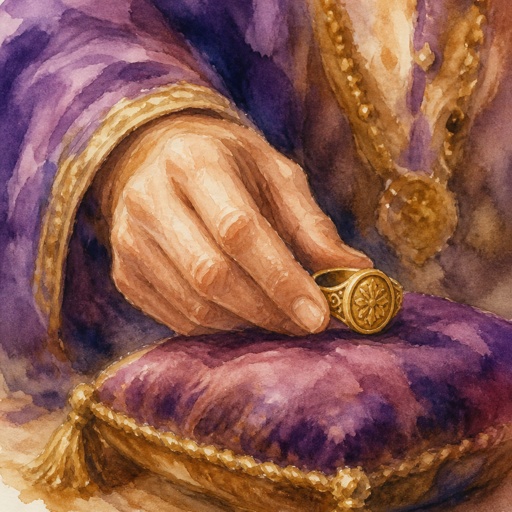
Esther 8:2 focus on the ring

"Then the king held out the golden sceptre toward Esther. So Esther arose, and stood before the king," - Esther 8:4

Esther 8:2 - "And the king took off his ring, which he had taken from Haman, and gave it unto Mordecai. And Esther set Mordecai over the house of Haman."

Esther 7:1 - "So the king and Haman came to banquet with Esther the queen."
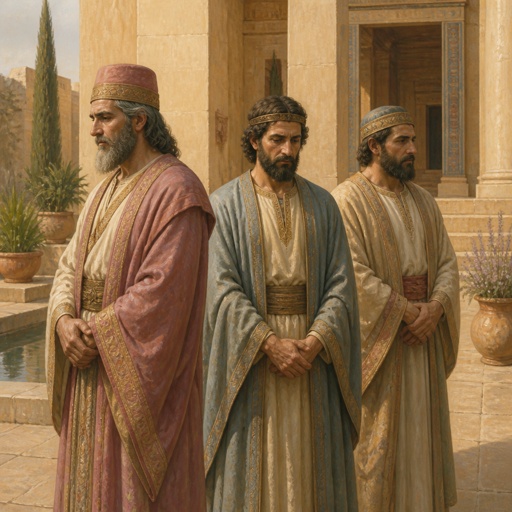
"And Poratha, and Adalia, and Aridatha," - Esther 9:8

Esther 8:3 - "¶ And Esther spake yet again before the king, and fell down at his feet, and besought him with tears to put away the mischief of Haman the Agagite, and his device that he had devised against the Jews."

Esther 1:17

Esther 1:6

Esther, the courageous queen

"So the king and Haman came to banquet with Esther the queen." - Esther 7:1

Esther 2:8 - "¶ So it came to pass, when the king's commandment and his decree was heard, and when many maidens were gathered together unto Shushan the palace, to the custody of Hegai, that Esther was brought also unto the king's house, to the custody of Hegai, keeper of the women."

Esther 8:8 - "Write ye also for the Jews, as it liketh you, in the king's name, and seal it with the king's ring: for the writing which is written in the king's name, and sealed with the king's ring, may no man reverse."

Esther 7:8 - "Then the king returned out of the palace garden into the place of the banquet of wine; and Haman was fallen upon the bed whereon Esther was. Then said the king, Will he force the queen also before me in the house? As the word went out of the king's mouth, they covered Haman's face."

Esther 4:8 - "Also he gave him the copy of the writing of the decree that was given at Shushan to destroy them, to shew it unto Esther, and to declare it unto her, and to charge her that she should go in unto the king, to make supplication unto him, and to make request before him for her people."
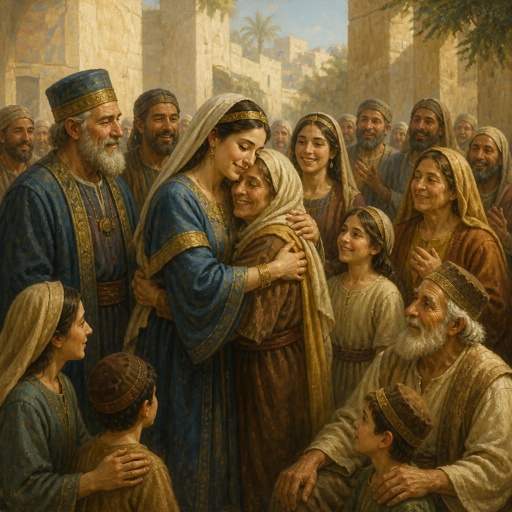
"The Jews had light, and gladness, and joy, and honour." - Esther 8:16

Esther 8:14 - "So the posts that rode upon mules and camels went out, being hastened and pressed on by the king's commandment. And the decree was given at Shushan the palace."

Esther 8:10 - "And he wrote in the king Ahasuerus' name, and sealed it with the king's ring, and sent letters by posts on horseback, and riders on mules, camels, and young dromedaries:"

Esther 8:12 - "Upon one day in all the provinces of king Ahasuerus, namely, upon the thirteenth day of the twelfth month, which is the month Adar."

Esther 8:13 - "The copy of the writing for a commandment to be given in every province was published unto all people, and that the Jews should be ready against that day to avenge themselves on their enemies."

Esther 8:6 - "For how can I endure to see the evil that shall come unto my people? or how can I endure to see the destruction of my kindred?"

Esther 6:8 - "Let the royal apparel be brought which the king useth to wear, and the horse that the king rideth upon, and the crown royal which is set upon his head:"