What does Esther 10:2 mean?
"And all the acts of his power and of his might, and the declaration of the greatness of Mordecai, whereunto the king advanced him, are they not written in the book of the chronicles of the kings of Media and Persia?" - Esther 10:2
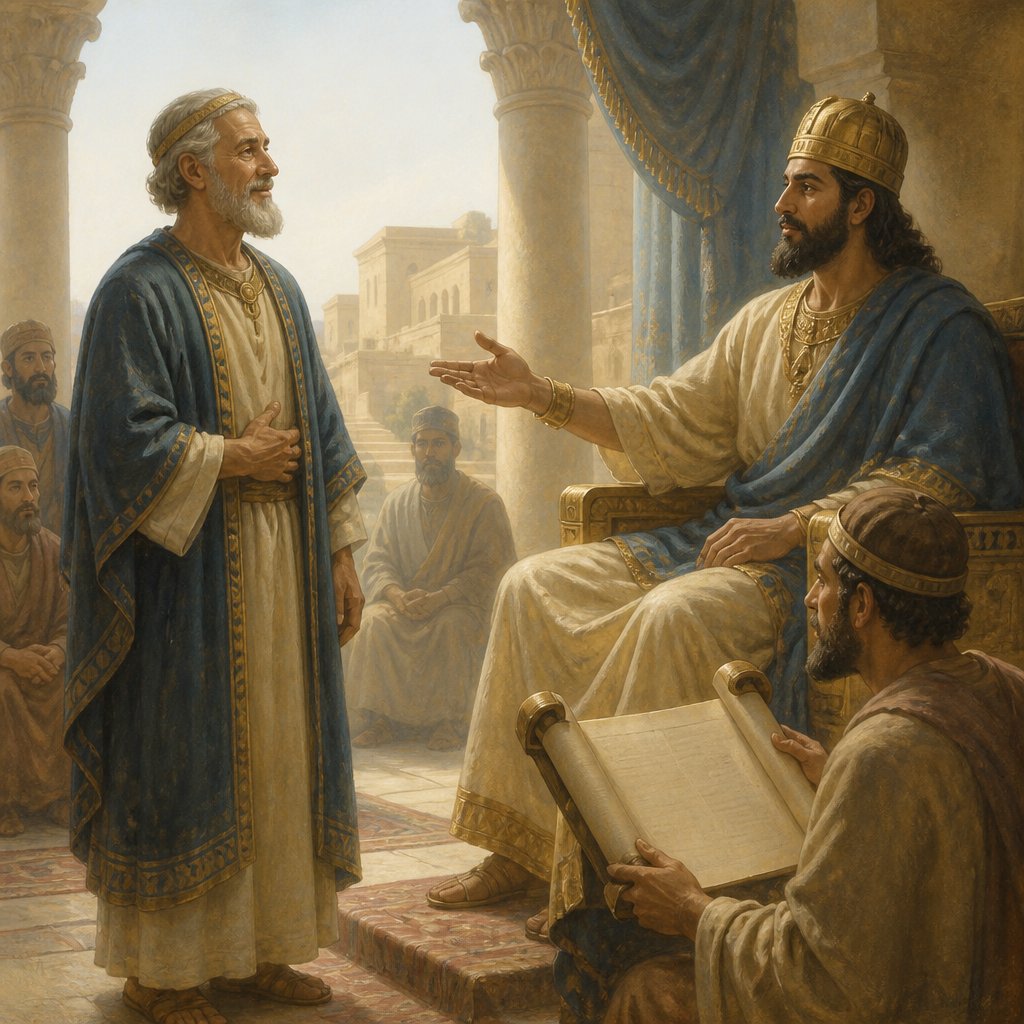
Esther 10:2 in the King James Version of the Bible states, "And all the acts of his power and of his might, and the declaration of the greatness of Mordecai, whereunto the king advanced him, are they not written in the book of the chronicles of the kings of Media and Persia?"
To fully understand the significance of this verse, one must first have an understanding of the historical and cultural context in which the book of Esther takes place. The book of Esther is set in the Persian Empire during the reign of King Ahasuerus, also known as Xerxes I, and it tells the story of a young Jewish woman named Esther who becomes queen and ultimately saves her people from a plot to exterminate them. Mordecai is Esther's older cousin who plays a pivotal role in the events of the book, and he is ultimately honored by King Ahasuerus for his loyalty and bravery.
The verse in question serves as a conclusion to the book of Esther, summarizing the accomplishments and honor bestowed upon Mordecai by the king. This verse highlights Mordecai's rise to power and his significant role in the kingdom of Media and Persia. It also serves as a reminder of the importance of recording and acknowledging acts of power and might, as well as the greatness of individuals in historical records.
One of the central themes of Esther 10:2 is the idea of divine providence and the ultimate triumph of good over evil. Throughout the book of Esther, there is a clear sense of God's hand at work behind the scenes, orchestrating events and using human agents to bring about deliverance for his people. Mordecai's rise to power and the honoring of his greatness by the king can be seen as a manifestation of God's favor and faithfulness to his people. This theme of divine providence reinforces the message that God is in control of all things, even when it may seem like evil and injustice are prevailing.
The verse also speaks to the importance of recording and preserving the acts of power and might, as well as the greatness of individuals. The book of Esther itself can be seen as an example of this, as it serves as a historical record of the events that took place during the reign of King Ahasuerus. By acknowledging and preserving the actions of those who have demonstrated power and greatness, we can learn valuable lessons from their lives and be inspired by their examples.
In addition, the verse emphasizes the significance of honoring and recognizing individuals for their contributions and accomplishments. Mordecai's elevation to a position of power and influence serves as a reminder of the importance of acknowledging and rewarding those who have served faithfully and acted courageously. This message is relevant not only in a historical context but also in contemporary society, where recognizing and celebrating the achievements of others can inspire and motivate others to strive for excellence and make a positive impact in their own spheres of influence.
Symbolically, Mordecai's recognition and elevation can also be seen as a reflection of the ultimate victory of righteousness and justice. Throughout the book of Esther, there is a contrast between the righteous and the wicked, and the eventual overthrow of the villain, Haman, and the subsequent honor bestowed upon Mordecai symbolize the triumph of good over evil. This symbolism serves as a source of encouragement and hope for believers, reminding them that God ultimately vindicates and exalts those who remain faithful to him.
In conclusion, Esther 10:2 is a verse that encapsulates the culmination of the book of Esther, highlighting the recognition and honoring of Mordecai for his acts of power and greatness. It carries powerful themes of divine providence, the preservation of historical records, the significance of honoring individuals, and the ultimate triumph of righteousness. As believers reflect on this verse, they are reminded of God's sovereign control over all things, the importance of acknowledging noble achievements, and the hope that ultimately, good will prevail over evil.
Have questions about Esther 10:2?
Dive deeper into this scripture with Bible Chat — an AI-powered tool for exploring God's Word through conversation. Ask questions, get context, and grow in your understanding of the Bible.
Get Our Apps


Esther 10:2 Artwork

Esther 10:2 - "And all the acts of his power and of his might, and the declaration of the greatness of Mordecai, whereunto the king advanced him, are they not written in the book of the chronicles of the kings of Media and Persia?"
"And all the acts of his power and of his might, and the declaration of the greatness of Mordecai, whereunto the king advanced him, are they not written in the book of the chronicles of the kings of Media and Persia?" - Esther 10:2

Esther 2:10 - "Esther had not shewed her people nor her kindred: for Mordecai had charged her that she should not shew it."

Esther 4:10 - "¶ Again Esther spake unto Hatach, and gave him commandment unto Mordecai;"
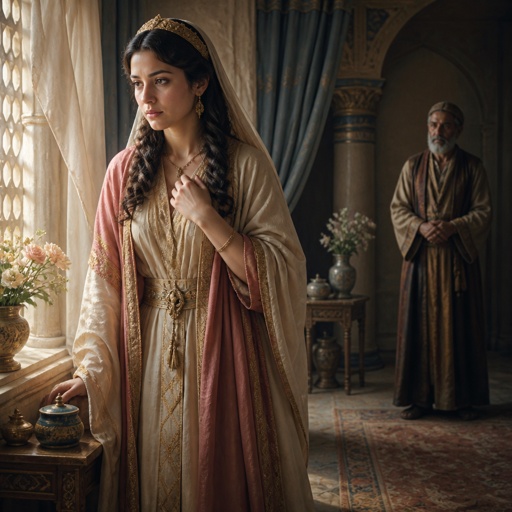
"Esther had not shewed her people nor her kindred: for Mordecai had charged her that she should not shew it." - Esther 2:10

Esther 2:22 - "And the thing was known to Mordecai, who told it unto Esther the queen; and Esther certified the king thereof in Mordecai's name."
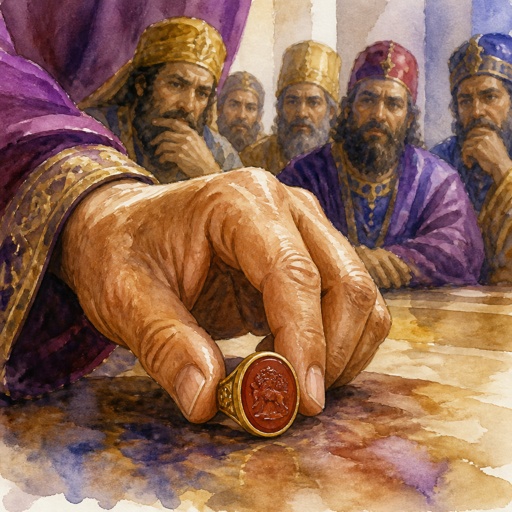
Esther 3:10 focus on ring

Esther 5:2 - "And it was so, when the king saw Esther the queen standing in the court, that she obtained favour in his sight: and the king held out to Esther the golden sceptre that was in his hand. So Esther drew near, and touched the top of the sceptre."
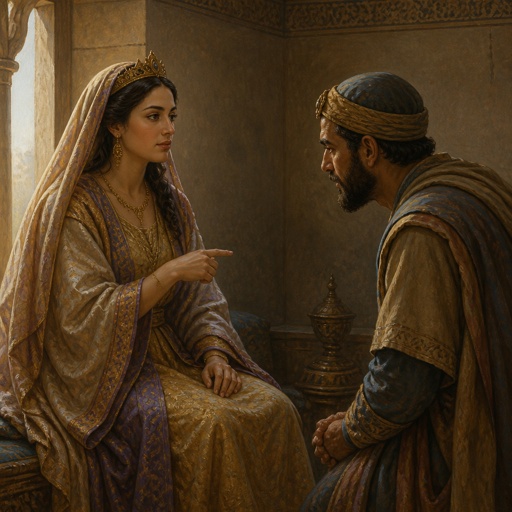
"¶ Again Esther spake unto Hatach, and gave him commandment unto Mordecai;" - Esther 4:10

Esther 2:20 - "Esther had not yet shewed her kindred nor her people; as Mordecai had charged her: for Esther did the commandment of Mordecai, like as when she was brought up with him."

Esther 7:2 - "And the king said again unto Esther on the second day at the banquet of wine, What is thy petition, queen Esther? and it shall be granted thee: and what is thy request? and it shall be performed, even to the half of the kingdom."

Esther 5:2

Esther 10:1 - "And the king Ahasuerus laid a tribute upon the land, and upon the isles of the sea."

Esther 5:2

Esther 5:2

Esther 2:11 - "And Mordecai walked every day before the court of the women's house, to know how Esther did, and what should become of her."

Esther 5:2 - "And it was so, when the king saw Esther the queen standing in the court, that she obtained favour in his sight: and the king held out to Esther the golden sceptre that was in his hand. So Esther drew near, and touched the top of the sceptre."

Esther 9:10 - "The ten sons of Haman the son of Hammedatha, the enemy of the Jews, slew they; but on the spoil laid they not their hand."

"And the thing was known to Mordecai, who told it unto Esther the queen; and Esther certified the king thereof in Mordecai's name." - Esther 2:22

Esther 2:16 - "So Esther was taken unto king Ahasuerus into his house royal in the tenth month, which is the month Tebeth, in the seventh year of his reign."

Esther 7:10 - "So they hanged Haman on the gallows that he had prepared for Mordecai. Then was the king's wrath pacified."

Esther 8:2 - "And the king took off his ring, which he had taken from Haman, and gave it unto Mordecai. And Esther set Mordecai over the house of Haman."
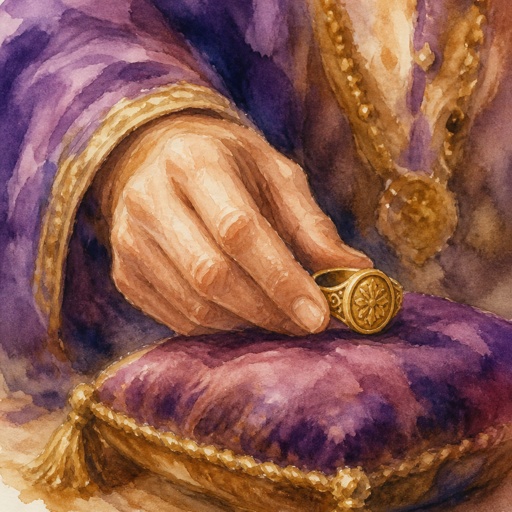
Esther 8:2 focus on the ring

Esther 2:15 - "¶ Now when the turn of Esther, the daughter of Abihail the uncle of Mordecai, who had taken her for his daughter, was come to go in unto the king, she required nothing but what Hegai the king's chamberlain, the keeper of the women, appointed. And Esther obtained favour in the sight of all them that looked upon her."

Esther 2:2 - "Then said the king's servants that ministered unto him, Let there be fair young virgins sought for the king:"

Esther 5:10 - "Nevertheless Haman refrained himself: and when he came home, he sent and called for his friends, and Zeresh his wife."

Esther 3:10 - "And the king took his ring from his hand, and gave it unto Haman the son of Hammedatha the Agagite, the Jews' enemy."

Esther 8:10 - "And he wrote in the king Ahasuerus' name, and sealed it with the king's ring, and sent letters by posts on horseback, and riders on mules, camels, and young dromedaries:"

Esther 2:17 - "And the king loved Esther above all the women, and she obtained grace and favour in his sight more than all the virgins; so that he set the royal crown upon her head, and made her queen instead of Vashti."

Esther 2:7 - "And he brought up Hadassah, that is, Esther, his uncle's daughter: for she had neither father nor mother, and the maid was fair and beautiful; whom Mordecai, when her father and mother were dead, took for his own daughter."