What does Ephesians 6:1-3 mean?
"Children, obey your parents in the Lord: for this is right. Honour thy father and mother; (which is the first commandment with promise;) That it may be well with thee, and thou mayest live long on the earth." - Ephesians 6:1-3
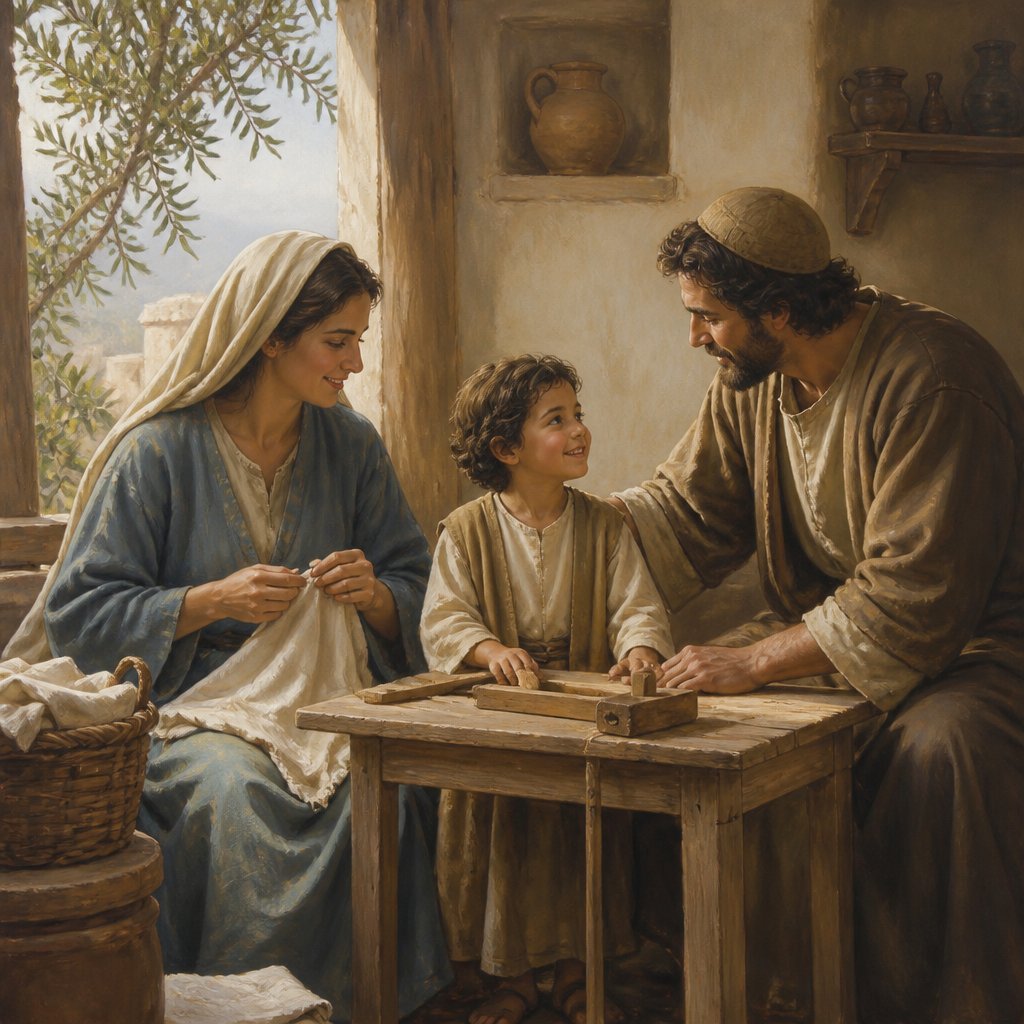
Ephesians 6:1-3 (KJV) states, "Children, obey your parents in the Lord: for this is right. Honour thy father and mother; which is the first commandment with promise; That it may be well with thee, and thou mayest live long on the earth." This verse is one of the most well-known passages in the New Testament, and it holds significant themes, contexts, and symbolism that are important for understanding the Christian faith and the relationship between parents and children.
The first theme within this passage is that of obedience. The passage begins with the direct command for children to obey their parents, with the added emphasis that this obedience should be "in the Lord." This means that children are not only called to obey their parents for the sake of familial authority, but also because it is aligned with the teachings and principles of the Lord. Obedience is a foundational virtue within Christianity, and it is often seen as a reflection of one's faith and spiritual maturity. In this context, children are asked to submit to the authority of their parents as a way of expressing their devotion and loyalty to God.
The second theme present in this passage is that of honor. Not only are children called to obey their parents, but they are also instructed to honor them. The idea of honor encompasses respect, esteem, and appreciation for the role and responsibility that parents hold in their lives. Honoring one's parents is a commandment that is deeply rooted in the Old Testament as one of the Ten Commandments. In the New Testament, this principle is upheld as a timeless value that reflects the divine order and design for family relationships. Honoring parents is not merely an external show of respect, but it is a heart attitude that recognizes the importance of parental authority and the blessings that come from it.
The third theme of this passage revolves around the promise of a long and prosperous life. The verse specifically mentions that honoring one's parents is the "first commandment with promise." This promise is tied to the idea that when children obey and honor their parents, it will lead to a life of well-being and longevity. In the cultural context of the time, a long life was seen as a blessing from God, and the fulfillment of the promise was directly linked to the obedience and honor that children showed towards their parents. This promise also reflects the concept of sowing and reaping, where the actions and attitudes of children towards their parents will ultimately determine the quality and duration of their own lives.
The wider context of this passage is also significant in understanding its implications. The book of Ephesians was written by the apostle Paul to the church in Ephesus, and it addresses various aspects of Christian living and relationships. In the preceding chapters, Paul emphasizes the unity of believers in Christ, the importance of spiritual gifts, and the armor of God. This passage on children and parents is part of Paul's practical instructions for different members of the Christian community, and it reflects the broader theme of living in accordance with God's principles in all areas of life.
Symbolism within this passage is primarily found in the relationship between children and parents, which serves as a microcosm of the broader dynamic between humanity and God. Just as children are called to obey and honor their parents, Christians are called to submit to and honor God as their heavenly Father. The obedience and honor that children show towards their parents are symbolic of the faith and devotion that believers are meant to demonstrate towards God. The promise of a long and well-lived life is also symbolic of the spiritual blessings and rewards that come from aligning oneself with God's will and purposes.
In conclusion, Ephesians 6:1-3 is a rich and profound passage that sheds light on the principles of obedience, honor, and promise within the context of family relationships and the Christian faith. Its themes, context, and symbolism provide valuable insights for individuals and communities seeking to live in accordance with God's design for human interactions and to grow in their spiritual walk.
Have questions about Ephesians 6:1-3?
Dive deeper into this scripture with Bible Chat — an AI-powered tool for exploring God's Word through conversation. Ask questions, get context, and grow in your understanding of the Bible.
Get Our Apps


Ephesians 6:1-3 Artwork

Ephesians 6:1-3 - "Children, obey your parents in the Lord, for this is right. “Honor your father and mother”—which is the first commandment with a promise— “so that it may go well with you and that you may enjoy long life on the earth.”"
"Children, obey your parents in the Lord, for this is right. “Honor your father and mother”—which is the first commandment with a promise— “so that it may go well with you and that you may enjoy long life on the earth.”" - Ephesians 6:1-3

Ephesians 1:3

Ephesians 6:3 - "That it may be well with thee, and thou mayest live long on the earth."

Isaiah 6:1-3

Isaiah 6:1-3

Ephesians 3:6 - "That the Gentiles should be fellowheirs, and of the same body, and partakers of his promise in Christ by the gospel:"

Ephesians 6:1 - "Children, obey your parents in the Lord: for this is right."

Isaiah 6:1-3

Ephesians 3:1 - "For this cause I Paul, the prisoner of Jesus Christ for you Gentiles,"

"Children, obey your parents in the Lord: for this is right." - Ephesians 6:1

Ephesians 1:6 - "To the praise of the glory of his grace, wherein he hath made us accepted in the beloved."

"That it may be well with thee, and thou mayest live long on the earth." - Ephesians 6:3

Ephesians 6:2-3 - "Honor your father and mother—which is the first commandment with a promise— so that it may go well with you and that you may enjoy long life on the earth."

Ephesians 6:13

Ephesians 6:13

Ephesians 3:6 that the Gentiles should be fellow heirs, of the same body, and partakers of His promise in Christ through the gospel

Ephesians 3:6 that the Gentiles should be fellow heirs, of the same body, and partakers of His promise in Christ through the gospel

Ephesians 3
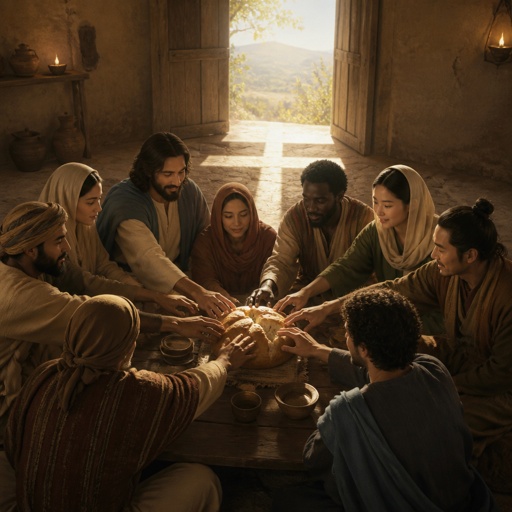
"That the Gentiles should be fellowheirs, and of the same body, and partakers of his promise in Christ by the gospel:" - Ephesians 3:6

Ephesians 3

ephesians 6:13,
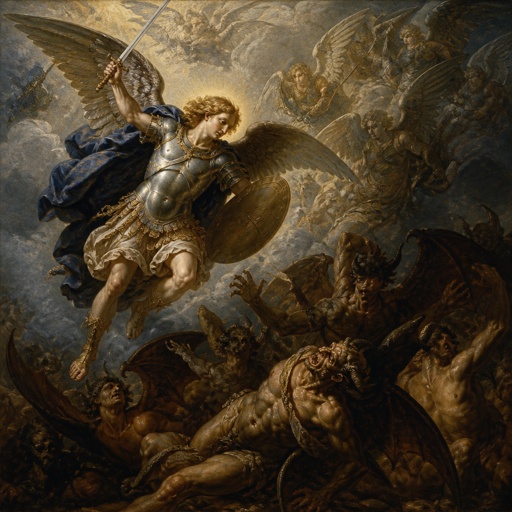
Ephesians 6:12

Ephesians 6:6 - "Not with eyeservice, as menpleasers; but as the servants of Christ, doing the will of God from the heart;"

Ephesians 1:3 - "Blessed be the God and Father of our Lord Jesus Christ, who hath blessed us with all spiritual blessings in heavenly places in Christ:"

Ephesians 4:4-6

Ephesians 4:4-6

"For this cause I Paul, the prisoner of Jesus Christ for you Gentiles," - Ephesians 3:1

Ephesians 4:4-6

Ephesians 4:4-6