What does Ephesians 5:3 mean?
"But fornication, and all uncleanness, or covetousness, let it not be once named among you, as becometh saints;" - Ephesians 5:3

Ephesians 5:3 (KJV) states: "But fornication, and all uncleanness, or covetousness, let it not be once named among you, as becometh saints."
In this verse, the Apostle Paul is addressing the believers in the city of Ephesus, urging them to abandon the sinful behaviors that characterized their former way of life. The verse specifically mentions three sins: fornication, uncleanness, and covetousness, and commands the believers to not let these be named among them.
The first sin mentioned is fornication, which refers to sexual immorality outside of the boundaries of marriage. The Greek word used here is "porneia," which encompasses various sexual sins such as adultery, premarital sex, and any form of sexual behavior that goes against God's design for human relationships. Paul's admonition against fornication reflects the biblical principle that sexual purity is a foundational aspect of the Christian life. It highlights the importance of honoring God's plan for sexual intimacy within the context of marriage.
The second sin, uncleanness, refers to moral impurity and defilement. This includes any kind of impure thoughts, desires, or actions that are contrary to God's standard of holiness. Paul's warning against uncleanness underscores the call for believers to maintain a pure and blameless lifestyle in both their outward conduct and inner thoughts and motives.
The third sin, covetousness, pertains to an insatiable desire for possessions or material things, often at the expense of others. This sin is rooted in selfishness, greed, and an inability to be content with what one has. Paul's prohibition against covetousness reflects the broader biblical teaching on contentment, stewardship, and the dangers of materialism. It calls believers to be satisfied with what they have and to prioritize spiritual treasures over earthly wealth.
The overall theme of this verse is the call to holiness and righteousness. Paul is exhorting the Ephesian believers to live in a manner that is consistent with their identity as saints, or set-apart ones, in Christ. He emphasizes the need for moral purity, sexual integrity, and freedom from the love of possessions. This call to holiness aligns with the broader biblical teaching on the transformative impact of salvation, which enables believers to live in a manner that reflects the character and standards of God.
The context of this verse is important for understanding its significance. The letter to the Ephesians was written to a community of believers who were living in a culture that was saturated with immorality and idolatry. The city of Ephesus was known for its pagan rituals, cultic practices, and immoral behaviors. In this context, Paul's exhortation against fornication, uncleanness, and covetousness serves as a stark contrast to the prevailing values of the surrounding culture. It underscores the reality that followers of Christ are called to live differently from the world around them, as they are no longer bound by the patterns of sinful living.
Symbolically, this verse represents the ongoing battle that believers face in their journey of sanctification. The sins of fornication, uncleanness, and covetousness are representative of the various temptations and struggles that believers encounter in their pursuit of holiness. The call to abstain from these sins reflects the need for vigilance, self-discipline, and reliance on the empowering work of the Holy Spirit to overcome the allure of sinful behaviors.
In conclusion, Ephesians 5:3 (KJV) serves as a powerful reminder of the high moral standard to which believers are called. It underscores the importance of living a life of holiness, purity, and contentment, and provides a timeless exhortation for believers to pursue righteousness and shun sin. This verse continues to be relevant today, serving as a guiding principle for Christians as they navigate the challenges of living in a fallen world while striving to reflect the character of Christ.
Have questions about Ephesians 5:3?
Dive deeper into this scripture with Bible Chat — an AI-powered tool for exploring God's Word through conversation. Ask questions, get context, and grow in your understanding of the Bible.
Get Our Apps


Ephesians 5:3 Artwork

Ephesians 5:3 - "But fornication, and all uncleanness, or covetousness, let it not be once named among you, as becometh saints;"
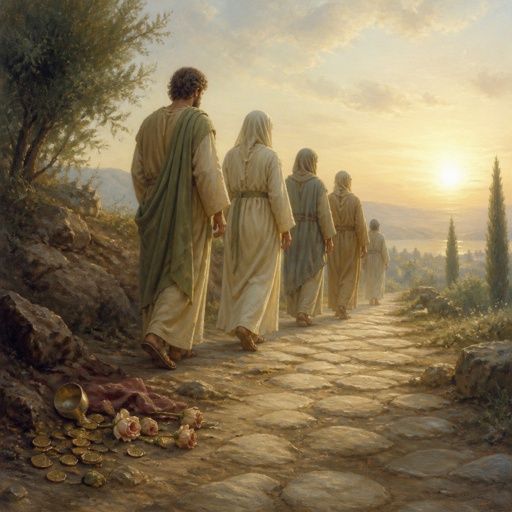
"But fornication, and all uncleanness, or covetousness, let it not be once named among you, as becometh saints;" - Ephesians 5:3

Ephesians 5:3-5 - "But among you there must not be even a hint of sexual immorality, or of any kind of impurity, or of greed, because these are improper for God’s holy people. Nor should there be obscenity, foolish talk or coarse joking, which are out of place, but rather thanksgiving. For of this you can be sure: No immoral, impure or greedy person—such a person is an idolater—has any inheritance in the kingdom of Christ and of God."

Ephesians 5:3-6 - "But among you there must not be even a hint of sexual immorality, or of any kind of impurity, or of greed, because these are improper for God’s holy people. Nor should there be obscenity, foolish talk or coarse joking, which are out of place, but rather thanksgiving. For of this you can be sure: No immoral, impure or greedy person—such a person is an idolater—has any inheritance in the kingdom of Christ and of God. Let no one deceive you with empty words, for because of such things God’s wrath comes on those who are disobedient."
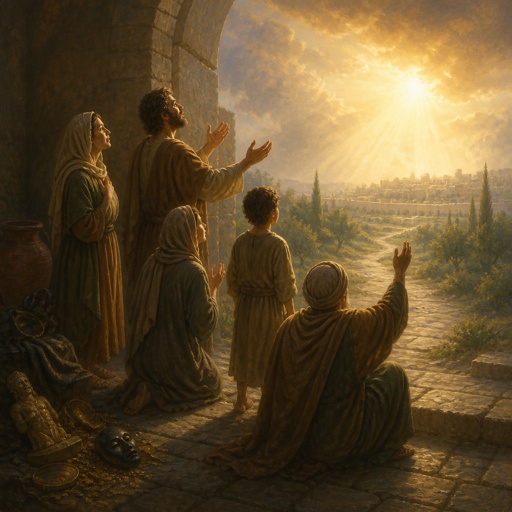
"But among you there must not be even a hint of sexual immorality, or of any kind of impurity, or of greed, because these are improper for God’s holy people. Nor should there be obscenity, foolish talk or coarse joking, which are out of place, but rather thanksgiving. For of this you can be sure: No immoral, impure or greedy person—such a person is an idolater—has any inheritance in the kingdom of Christ and of God." - Ephesians 5:3-5
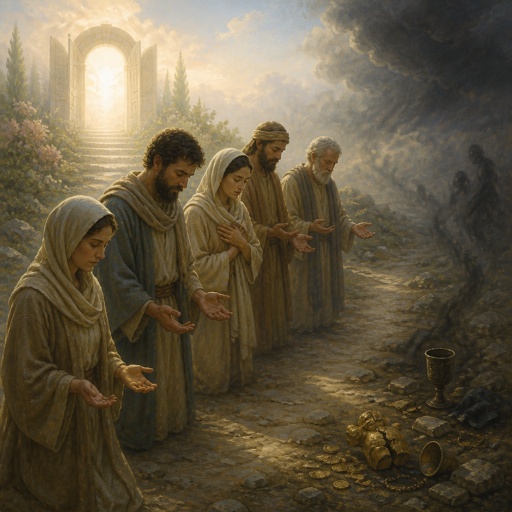
"But among you there must not be even a hint of sexual immorality, or of any kind of impurity, or of greed, because these are improper for God’s holy people. Nor should there be obscenity, foolish talk or coarse joking, which are out of place, but rather thanksgiving. For of this you can be sure: No immoral, impure or greedy person—such a person is an idolater—has any inheritance in the kingdom of Christ and of God. Let no one deceive you with empty words, for because of such things God’s wrath comes on those who are disobedient." - Ephesians 5:3-6

Ephesians 3:5 - "Which in other ages was not made known unto the sons of men, as it is now revealed unto his holy apostles and prophets by the Spirit;"

Ephesians 3

Ephesians 3

Ephesians 5:21

Ephesians 1:3

Ephesians 4:1-5

Ephesians 4:1-5

Ephesians 4:1-5

Ephesians 4:1-5

Ephesians 4:1-5

Ephesians 4:1-5

Ephesians 4:1-5

Ephesians 4:1-5

Ephesians 4:1-5

Ephesians 4:1-5

Ephesians 4:1-5

Ephesians 4:1-5

Ephesians 4:1-5

Ephesians 4:1-5

Ephesians 4:1-5

Ephesians 4:1-5

Ephesians 4:1-5

Ephesians 4:1-5

Ephesians 4:1-5