What does Ephesians 4:31-32 mean?
"Get rid of all bitterness, rage and anger, brawling and slander, along with every form of malice. Be kind and compassionate to one another, forgiving each other, just as in Christ God forgave you." - Ephesians 4:31-32

Ephesians 4:31-32 in the King James Version of the Bible reads: "Let all bitterness, and wrath, and anger, and clamour, and evil speaking, be put away from you, with all malice: And be ye kind one to another, tenderhearted, forgiving one another, even as God for Christ's sake hath forgiven you."
This passage from the book of Ephesians offers a clear, thoughtful, and practical guide for believers on how to conduct themselves in their relationships with others. It outlines a list of negative behaviors that believers should avoid, such as bitterness, wrath, anger, clamor, and evil speaking, and instead encourages them to embody virtues such as kindness, tenderheartedness, and forgiveness.
The first part of the passage identifies the negative traits that believers should avoid. Bitterness refers to a deep-seated resentment and anger towards others, while wrath and anger indicate uncontrolled and explosive emotions. Clamor points to loud and disruptive outbursts, and evil speaking refers to slander or gossip. Finally, malice encompasses a general disposition of ill will or desire to harm others. Together, these negative behaviors illustrate a range of destructive attitudes and actions that can seriously damage relationships and communities.
The passage then pivots to offer a positive alternative, instructing believers to be kind to one another. Kindness involves showing compassion, generosity, and empathy towards others. Additionally, they are encouraged to be tenderhearted, which implies being gentle, understanding, and sympathetic towards the feelings and needs of others. Furthermore, the passage emphasizes the importance of forgiveness, stating that believers should forgive one another just as God, for Christ's sake, has forgiven them. This parallels the model of forgiveness that God has extended to humanity through the redemptive work of Jesus Christ.
One of the central themes of this passage is the importance of interpersonal relationships within the Christian community. The Apostle Paul, the author of Ephesians, is addressing the Ephesian church and stressing the significance of maintaining unity, peace, and love within the body of believers. The passage acknowledges the potential for conflict and discord to arise but advocates for the virtues of kindness, tenderheartedness, and forgiveness as essential for fostering harmonious relationships within the community.
Another crucial theme in this passage is the imitation of God's forgiveness. By encouraging believers to forgive one another just as God has forgiven them, the passage underscores the transformative power of forgiveness in the Christian life. It reflects the foundational Christian belief in the redemptive work of Christ and the extension of God's mercy and grace to humanity. The call to forgive others echoes the teachings of Jesus, who emphasized the importance of forgiveness and reconciliation in his ministry.
The cultural and historical context of this passage is also significant for understanding its message. The city of Ephesus, where the original audience of this letter resided, was a diverse and cosmopolitan urban center with a variety of cultural, religious, and social influences. The early Christian community in Ephesus would have faced various challenges and conflicts as they sought to live out their faith in this complex environment. In this context, the guidance offered in Ephesians 4:31-32 would have been especially relevant, providing practical wisdom for navigating interpersonal relationships and promoting unity within the diverse Christian community.
Symbolically, this passage can be seen as a reflection of the transformative power of the gospel. The negative behaviors listed in verse 31 are representative of the brokenness and sin that separates individuals and communities, while the virtues outlined in verse 32 symbolize the healing and reconciliation that are made possible through Christ. The call to put away bitterness, wrath, and malice mirrors the Christian journey of repentance and renewal, while the exhortation to be kind, tenderhearted, and forgiving points towards the transformative work of God's love and grace in the lives of believers.
In conclusion, Ephesians 4:31-32 offers a profound and relevant message for believers, guiding them in their relationships with others and reminding them of the transformative power of forgiveness and reconciliation. This passage emphasizes the importance of embodying virtues such as kindness, tenderheartedness, and forgiveness, and it provides practical wisdom for navigating interpersonal challenges within the Christian community. As believers seek to live out their faith in a diverse and complex world, the timeless wisdom of this passage continues to offer guidance and inspiration for fostering unity, peace, and love.
Have questions about Ephesians 4:31-32?
Dive deeper into this scripture with Bible Chat — an AI-powered tool for exploring God's Word through conversation. Ask questions, get context, and grow in your understanding of the Bible.
Get Our Apps


Ephesians 4:31-32 Artwork

Ephesians 4:31-32 - "Get rid of all bitterness, rage and anger, brawling and slander, along with every form of malice. Be kind and compassionate to one another, forgiving each other, just as in Christ God forgave you."

"Get rid of all bitterness, rage and anger, brawling and slander, along with every form of malice. Be kind and compassionate to one another, forgiving each other, just as in Christ God forgave you." - Ephesians 4:31-32

Ephesians 4:31 - "Let all bitterness, and wrath, and anger, and clamour, and evil speaking, be put away from you, with all malice:"

Ephesians 4:32 - "And be ye kind one to another, tenderhearted, forgiving one another, even as God for Christ's sake hath forgiven you."

"And be ye kind one to another, tenderhearted, forgiving one another, even as God for Christ's sake hath forgiven you." - Ephesians 4:32

Ephesians 5:32 - "This is a great mystery: but I speak concerning Christ and the church."

Ephesians 4:4

Ephesians 4:4

Ephesians 4:4

"Let all bitterness, and wrath, and anger, and clamour, and evil speaking, be put away from you, with all malice:" - Ephesians 4:31

Ephesians 4:4

Ephesians 4:4

Ephesians 4:4

Ephesians 4:4

Ephesians 4:4

Ephesians 4:4
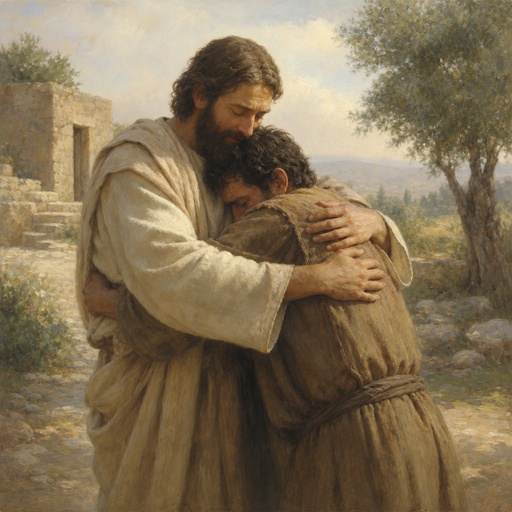
"And be ye kind one to another, tenderhearted, forgiving one another, even as God for Christ's sake hath forgiven you." - Ephesians 4:32

Ephesians 4:4-6

Ephesians 4:4-6

Exodus 32:31-32 So Moses returned to the LORD and said, “Oh, what a great sin these people have committed! They have made gods of gold for themselves. / Yet now, if You would only forgive their sin.... But if not, please blot me out of the book that You have written.” Exodus 32:31-32

Ephesians 4:4-6

Ephesians 4:4-6

Ephesians 4:4-5

Ephesians 4:4-6

Ephesians 4:1

Ephesians 4:1

ephesians 1:4

Ephesians 4:13

Ephesians 1:4

Ephesians 4:1