What does Ecclesiastes 9:11 mean?
"¶ I returned, and saw under the sun, that the race is not to the swift, nor the battle to the strong, neither yet bread to the wise, nor yet riches to men of understanding, nor yet favour to men of skill; but time and chance happeneth to them all." - Ecclesiastes 9:11
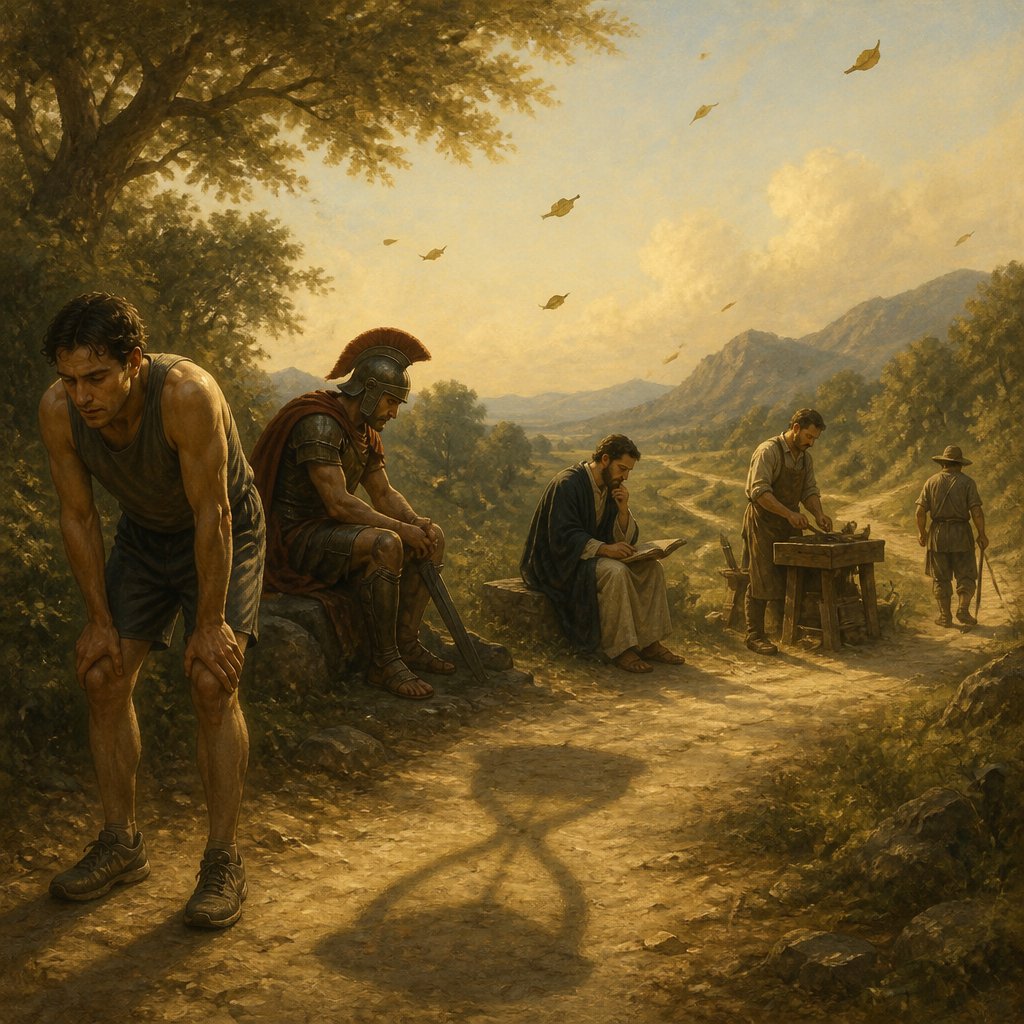
Ecclesiastes 9:11 in the King James Version states, "I returned, and saw under the sun, that the race is not to the swift, nor the battle to the strong, neither yet bread to the wise, nor yet riches to men of understanding, nor yet favour to men of skill; but time and chance happeneth to them all." This verse from the Book of Ecclesiastes offers profound insight into the nature of life and the unpredictability of outcomes.
The book of Ecclesiastes, attributed to King Solomon, is known for its philosophical reflections on the meaning and purpose of life. In this particular verse, the author reflects on the apparent randomness and unpredictability of events that occur "under the sun," or in earthly life. The verse begins with the author's observation of the world around him. He sees that despite the common belief that victory belongs to the swift and battles to the strong, this is not always the case. Similarly, wisdom, understanding, and skill do not always guarantee success. The author concludes that "time and chance happeneth to them all," meaning that fate and happenstance play significant roles in determining the outcomes of people's lives.
One of the key themes in this verse is the concept of divine providence and the limitations of human effort and wisdom. The verse challenges the widely held belief that success is solely a product of one's abilities and efforts. Instead, it suggests that there are external forces at play, beyond human control, that influence the outcomes of events. This idea aligns with the broader themes of Ecclesiastes, which emphasize the fleeting nature of life and the futility of human pursuits without God at the center.
The verse also touches on the notion of equality and the universality of fate. Regardless of one's abilities, knowledge, or skill, everyone is subject to the same unpredictable and uncontrollable forces of "time and chance." This concept serves as a reminder that no one is exempt from the uncertainties and challenges of life, regardless of their station or status.
In terms of context, Ecclesiastes 9:11 is situated within a larger passage in which the author explores the uncertainty and limitations of human existence. The book of Ecclesiastes is a reflection on the human condition and the search for meaning in a world filled with impermanence and injustice. The verse serves as a sobering commentary on the apparent injustices and inequities of life, challenging the reader to confront the limitations of human understanding and control.
Symbolically, the image of the race not always being won by the swift or the battle by the strong serves as a metaphor for life's unpredictability. The idea that "time and chance happeneth to them all" reflects the uncertain and capricious nature of fate, emphasizing the need for humility and reliance on divine providence.
In conclusion, Ecclesiastes 9:11 offers a thought-provoking meditation on the unpredictability of life and the limitations of human agency. The verse challenges the notion that success is solely a result of one's efforts and abilities, highlighting the role of external forces beyond human control. In doing so, it underscores the importance of humility, faith, and trust in God's providence in the face of life's uncertainties.
Have questions about Ecclesiastes 9:11?
Dive deeper into this scripture with Bible Chat — an AI-powered tool for exploring God's Word through conversation. Ask questions, get context, and grow in your understanding of the Bible.
Get Our Apps


Ecclesiastes 9:11 Artwork
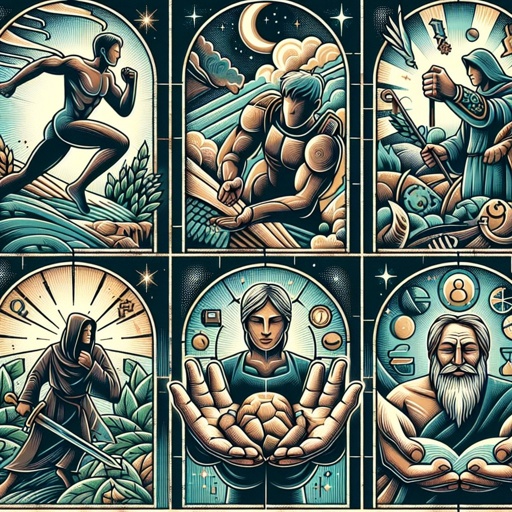
Ecclesiastes 9:11 - "¶ I returned, and saw under the sun, that the race is not to the swift, nor the battle to the strong, neither yet bread to the wise, nor yet riches to men of understanding, nor yet favour to men of skill; but time and chance happeneth to them all."
"¶ I returned, and saw under the sun, that the race is not to the swift, nor the battle to the strong, neither yet bread to the wise, nor yet riches to men of understanding, nor yet favour to men of skill; but time and chance happeneth to them all." - Ecclesiastes 9:11

Ecclesiastes 1:11

Ecclesiastes 11:9 - "¶ Rejoice, O young man, in thy youth; and let thy heart cheer thee in the days of thy youth, and walk in the ways of thine heart, and in the sight of thine eyes: but know thou, that for all these things God will bring thee into judgment."

Ecclesiastes 7:11 - "¶ Wisdom is good with an inheritance: and by it there is profit to them that see the sun."

Ecclesiastes 10:11 - "Surely the serpent will bite without enchantment; and a babbler is no better."

Ecclesiastes 3:9 - "What profit hath he that worketh in that wherein he laboureth?"

Ecclesiastes 7:9 - "Be not hasty in thy spirit to be angry: for anger resteth in the bosom of fools."

Ecclesiastes 11:7 - "¶ Truly the light is sweet, and a pleasant thing it is for the eyes to behold the sun:"

Ecclesiastes 6:11 - "¶ Seeing there be many things that increase vanity, what is man the better?"

Ecclesiastes 5:9 - "¶ Moreover the profit of the earth is for all: the king himself is served by the field."

Ecclesiastes 6:9 - "¶ Better is the sight of the eyes than the wandering of the desire: this is also vanity and vexation of spirit."

Ecclesiastes 4:9 - "¶ Two are better than one; because they have a good reward for their labour."

Ecclesiastes 11:1 - "Cast thy bread upon the waters: for thou shalt find it after many days."

Ecclesiastes 11:4 - "He that observeth the wind shall not sow; and he that regardeth the clouds shall not reap."

Ecclesiastes 9:4 - "¶ For to him that is joined to all the living there is hope: for a living dog is better than a dead lion."

Ecclesiastes 9:8 - "Let thy garments be always white; and let thy head lack no ointment."

Ecclesiastes 9:18 - "Wisdom is better than weapons of war: but one sinner destroyeth much good."

Ecclesiastes 12:11 - "The words of the wise are as goads, and as nails fastened by the masters of assemblies, which are given from one shepherd."

Ecclesiastes 4:11 - "Again, if two lie together, then they have heat: but how can one be warm alone?"

Ecclesiastes 9:13 - "¶ This wisdom have I seen also under the sun, and it seemed great unto me:"

Ecclesiastes 4:9-11 - "Two are better than one, because they have a good return for their labor: If either of them falls down, one can help the other up. But pity anyone who falls and has no one to help them up. Also, if two lie down together, they will keep warm. But how can one keep warm alone?"

Ecclesiastes 11:2 - "Give a portion to seven, and also to eight; for thou knowest not what evil shall be upon the earth."

Ecclesiastes 10:9 - "Whoso removeth stones shall be hurt therewith; and he that cleaveth wood shall be endangered thereby."

Ecclesiastes 9:17 - "The words of wise men are heard in quiet more than the cry of him that ruleth among fools."

Ecclesiastes 5:11 - "When goods increase, they are increased that eat them: and what good is there to the owners thereof, saving the beholding of them with their eyes?"

Ecclesiastes 1:11 - "There is no remembrance of former things; neither shall there be any remembrance of things that are to come with those that shall come after."

Ecclesiastes 1:9 - "The thing that hath been, it is that which shall be; and that which is done is that which shall be done: and there is no new thing under the sun."

Ecclesiastes 9:14 - "There was a little city, and few men within it; and there came a great king against it, and besieged it, and built great bulwarks against it:"

Ecclesiastes 9:16 - "Then said I, Wisdom is better than strength: nevertheless the poor man's wisdom is despised, and his words are not heard."