What does Ecclesiastes 8:16 mean?
"¶ When I applied mine heart to know wisdom, and to see the business that is done upon the earth: (for also there is that neither day nor night seeth sleep with his eyes:)" - Ecclesiastes 8:16
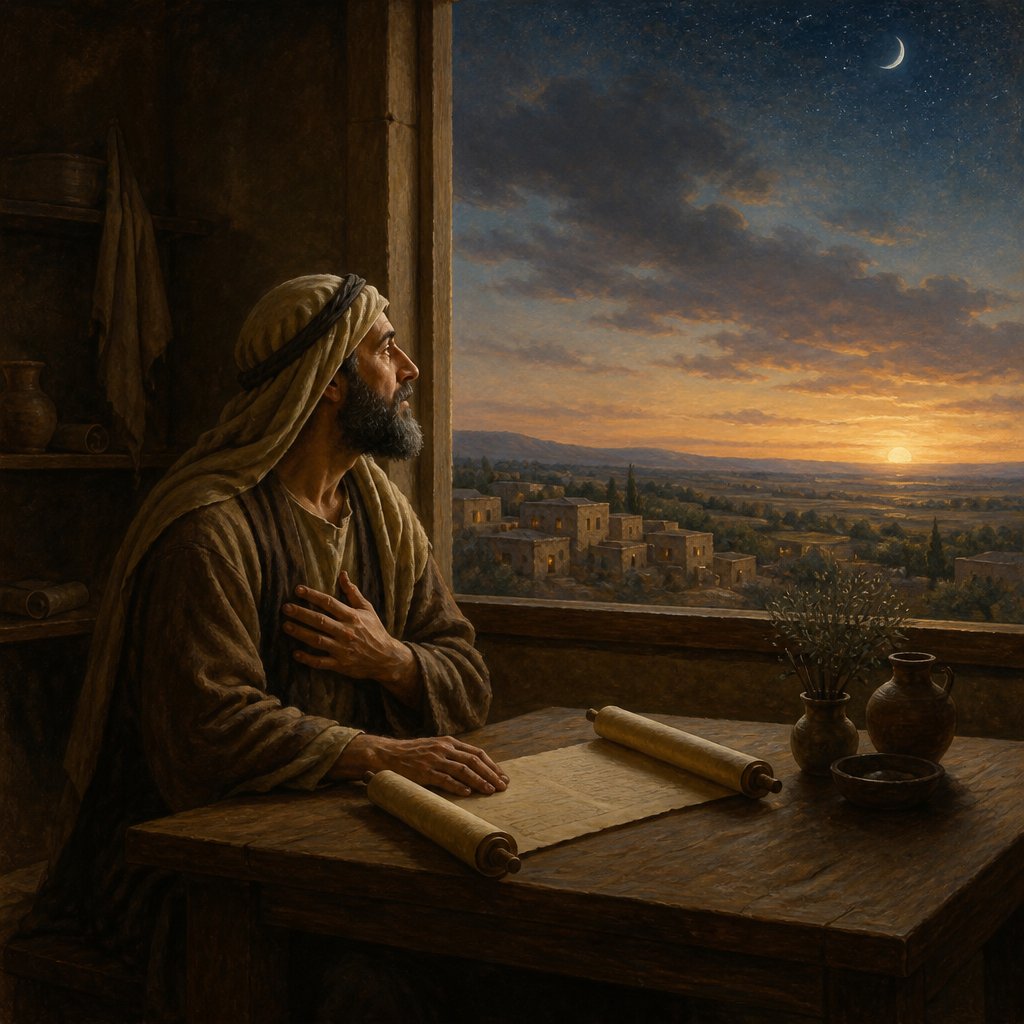
Ecclesiastes 8:16 (KJV): "When I applied mine heart to know wisdom, and to see the business that is done upon the earth: (for also there is that neither day nor night seeth sleep with his eyes:)"
Ecclesiastes, also known as the Preacher, is a book in the Bible that is part of the Old Testament, and is attributed to King Solomon. The book of Ecclesiastes deals with themes of wisdom, meaning, and the futility of human existence. In this particular verse, the author (presumed to be King Solomon) expresses his efforts to seek wisdom and understanding in the world, ultimately coming to the conclusion that human life is often dominated by toil and vanity.
The verse begins with the phrase, "When I applied mine heart to know wisdom," which indicates the author's intentional pursuit of wisdom and knowledge. This is a common theme throughout the book of Ecclesiastes, as the Preacher seeks to understand the purpose and meaning of life in the face of the human experience. The pursuit of wisdom is a central theme in the Bible, particularly in the book of Proverbs where wisdom is personified as a woman calling out to humanity to seek her.
The second part of the verse, "and to see the business that is done upon the earth," suggests that the author has observed the activities and affairs of humanity. This could refer to the various occupations, endeavors, and duties that people engage in to sustain their lives and societies. The Preacher's observation of human activity leads him to contemplate the nature of human labor and the fleeting nature of human achievements, as he often reflects on the temporal and transient nature of life.
The verse then continues with the parenthetical statement, "(for also there is that neither day nor night seeth sleep with his eyes:)," which refers to a person who is tirelessly at work, never ceasing in their efforts. This could be interpreted as a commentary on the pervasive nature of human labor and the ceaseless toil that consumes many individuals. The phrase conveys a sense of restlessness and constant busyness, which may be indicative of the never-ending pursuit of wealth, success, or fulfillment in the human experience.
In this context, Ecclesiastes 8:16 sheds light on the human condition and the relentless pursuit of wisdom and understanding in the face of life's complexities and uncertainties. The Preacher's introspective exploration of human existence and the pursuit of wisdom serves as a mirror for readers to reflect on their own lives and the meaning they ascribe to their actions and endeavors.
The verse may also be seen as a reflection on the limitations of human knowledge and understanding. Despite the Preacher's earnest efforts to seek wisdom, he is confronted with the enigma of human existence and the inscrutable nature of the world. This theme of the limitations of human wisdom and the inscrutability of God's ways is a recurring motif throughout Ecclesiastes, and it underscores the need for humility and reliance on a higher source of wisdom and understanding.
Symbolically, the verse may be interpreted as a call to reflect on the nature of human labor and the quest for significance and purpose in life. The figure who "neither day nor night seeth sleep with his eyes" represents the tireless pursuit of worldly endeavors and the relentless striving for success and wealth. This can serve as a cautionary reminder of the fleeting nature of worldly pursuits and the futility of placing ultimate meaning and fulfillment in temporal achievements.
In conclusion, Ecclesiastes 8:16 offers a poignant reflection on the pursuit of wisdom, the nature of human labor, and the enigma of human existence. The verse invites readers to contemplate the significance of their own pursuits and the transient nature of worldly accomplishments, ultimately pointing to the need for a deeper source of meaning and understanding beyond the confines of human wisdom.
Have questions about Ecclesiastes 8:16?
Dive deeper into this scripture with Bible Chat — an AI-powered tool for exploring God's Word through conversation. Ask questions, get context, and grow in your understanding of the Bible.
Get Our Apps


Ecclesiastes 8:16 Artwork
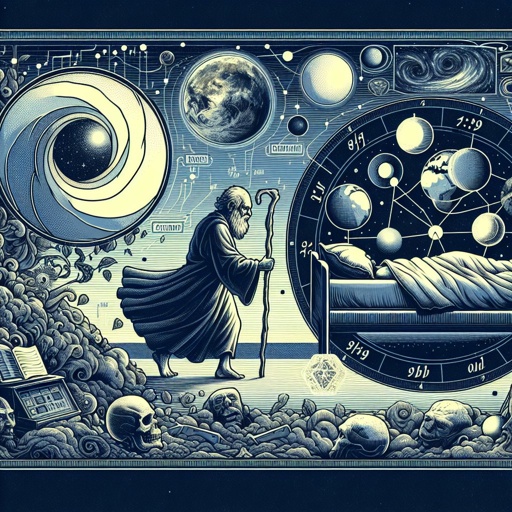
Ecclesiastes 8:16 - "¶ When I applied mine heart to know wisdom, and to see the business that is done upon the earth: (for also there is that neither day nor night seeth sleep with his eyes:)"
"¶ When I applied mine heart to know wisdom, and to see the business that is done upon the earth: (for also there is that neither day nor night seeth sleep with his eyes:)" - Ecclesiastes 8:16

ecclesiastes 12:1-8

ecclesiastes 12:1-8

ecclesiastes 12:1-8

ecclesiastes 12:1-8

Ecclesiastes 3:7-8

ecclesiastes 12:1-8

Ecclesiastes 12:8 - "¶ Vanity of vanities, saith the preacher; all is vanity."

Ecclesiastes 3:8 - "A time to love, and a time to hate; a time of war, and a time of peace."

Ecclesiastes 8:2 - "I counsel thee to keep the king's commandment, and that in regard of the oath of God."

Ecclesiastes 3:16 - "¶ And moreover I saw under the sun the place of judgment, that wickedness was there; and the place of righteousness, that iniquity was there."

Ecclesiastes 8:7 - "For he knoweth not that which shall be: for who can tell him when it shall be?"

Ecclesiastes 10:16 - "¶ Woe to thee, O land, when thy king is a child, and thy princes eat in the morning!"

Ecclesiastes 8:6 - "¶ Because to every purpose there is time and judgment, therefore the misery of man is great upon him."

Ecclesiastes 9:8 - "Let thy garments be always white; and let thy head lack no ointment."

Ecclesiastes 7:16 - "Be not righteous over much; neither make thyself over wise: why shouldest thou destroy thyself?"

Ecclesiastes 8:4 - "Where the word of a king is, there is power: and who may say unto him, What doest thou?"

Ecclesiastes 7:8 - "Better is the end of a thing than the beginning thereof: and the patient in spirit is better than the proud in spirit."

Ecclesiastes 9:16 - "Then said I, Wisdom is better than strength: nevertheless the poor man's wisdom is despised, and his words are not heard."

Ecclesiastes 10:8 - "He that diggeth a pit shall fall into it; and whoso breaketh an hedge, a serpent shall bite him."

Ecclesiastes 8:8 - "There is no man that hath power over the spirit to retain the spirit; neither hath he power in the day of death: and there is no discharge in that war; neither shall wickedness deliver those that are given to it."

Ecclesiastes 1:8 - "All things are full of labour; man cannot utter it: the eye is not satisfied with seeing, nor the ear filled with hearing."

Ecclesiastes 8:5 - "Whoso keepeth the commandment shall feel no evil thing: and a wise man's heart discerneth both time and judgment."

Ecclesiastes 8:3 - "Be not hasty to go out of his sight: stand not in an evil thing; for he doeth whatsoever pleaseth him."

Ecclesiastes 6:8 - "For what hath the wise more than the fool? what hath the poor, that knoweth to walk before the living?"

"¶ Vanity of vanities, saith the preacher; all is vanity." - Ecclesiastes 12:8

Ecclesiastes 8:13 - "But it shall not be well with the wicked, neither shall he prolong his days, which are as a shadow; because he feareth not before God."

Ecclesiastes 5:16 - "And this also is a sore evil, that in all points as he came, so shall he go: and what profit hath he that hath laboured for the wind?"

Ecclesiastes 8:11 - "Because sentence against an evil work is not executed speedily, therefore the heart of the sons of men is fully set in them to do evil."