What does Ecclesiastes 8:14 mean?
"There is a vanity which is done upon the earth; that there be just men, unto whom it happeneth according to the work of the wicked; again, there be wicked men, to whom it happeneth according to the work of the righteous: I said that this also is vanity." - Ecclesiastes 8:14
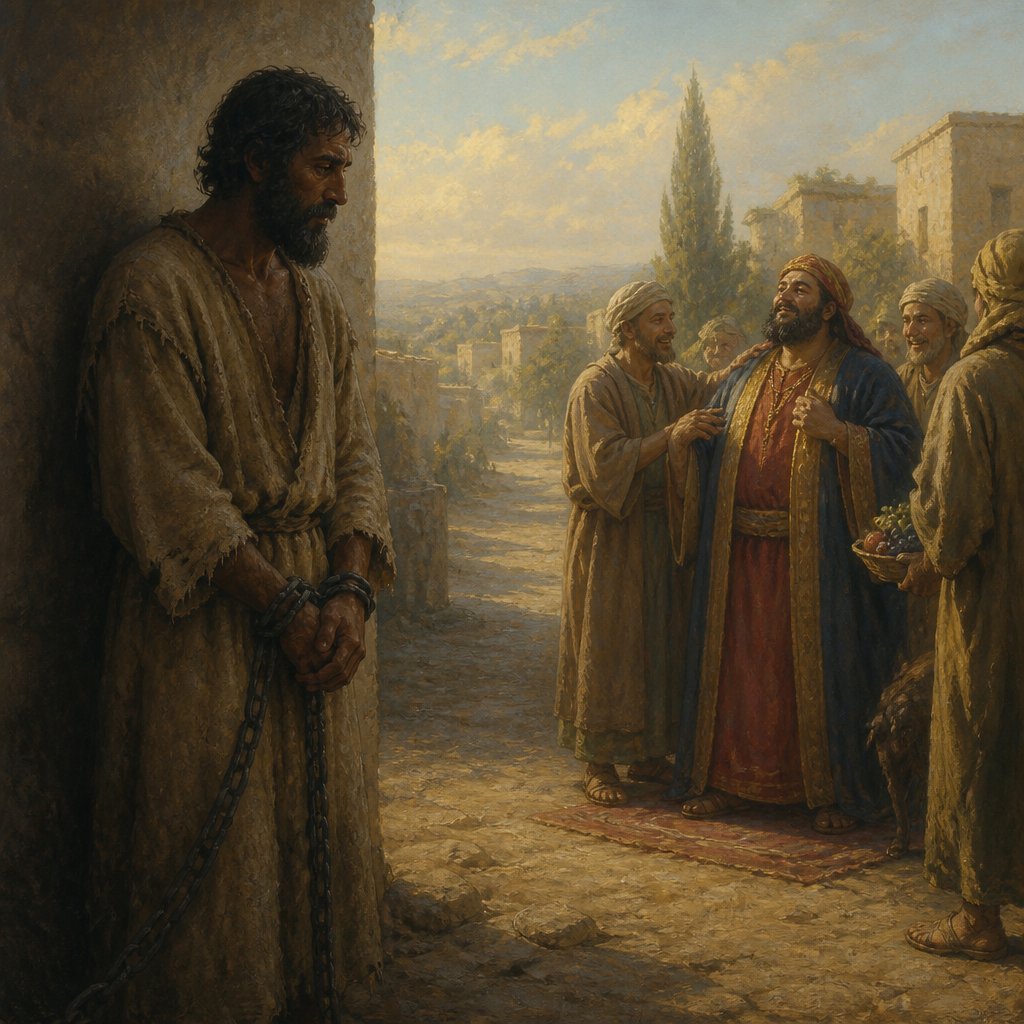
Ecclesiastes 8:14 in the King James Version of the Bible reads, "There is a vanity which is done upon the earth; that there be just men, unto whom it happeneth according to the work of the wicked; again, there be wicked men, to whom it happeneth according to the work of the righteous: I said that this also is vanity."
The book of Ecclesiastes is traditionally attributed to King Solomon, who is known for his wisdom and his pursuit of knowledge and understanding. The overarching theme of Ecclesiastes is the fleeting nature of life and the pursuit of wisdom, pleasure, and wealth. The book's message is summed up in its opening verse, "Vanity of vanities, says the Preacher, vanity of vanities! All is vanity" (Ecclesiastes 1:2).
In Ecclesiastes 8:14, the author presents a common observation in life, noting that there is a vanity, or futility, that occurs on earth. This futility lies in the apparent lack of justice or fairness in the world. The verse discusses the perplexing reality that just and righteous individuals sometimes face hardship and suffering, while wicked people may seem to prosper and thrive. The author declares this as yet another example of life's vanity, as it challenges our understanding of justice and fairness.
The concept of justice and the apparent mismatch between actions and outcomes is a central theme in the book of Ecclesiastes. It raises questions about the nature of God and the moral order of the universe. The author grapples with the injustice and unpredictability of life, ultimately concluding that human wisdom is limited and unable to grasp the full scope of God's purposes. This reflection on the lack of immediate justice in the world is a recurring theme throughout the book, serving as a source of frustration and bewilderment for the author.
The verse also touches on the existential dilemma of human existence, confronting the reader with the paradoxical nature of life. It challenges our natural inclination to view the world through a lens of cause and effect, where righteous actions are rewarded and wicked deeds are punished. Instead, the verse presents a more complex and troubling reality where the lines between good and evil are blurred, and outcomes do not always align with actions.
The use of the word "vanity" in this verse emphasizes the author's overarching message about the transitory and ultimately unsatisfying nature of human endeavors. The word denotes a sense of emptiness, worthlessness, and frustration, conveying the author's disillusionment with the world and the human condition. The verse grapples with the fundamental questions of human existence, the nature of justice, and the role of God in the midst of apparent injustice and suffering.
In terms of cultural and historical context, the book of Ecclesiastes reflects the wisdom literature of the ancient Near East, particularly within the context of Israelite wisdom traditions. The ideas and themes presented in Ecclesiastes are in dialogue with other wisdom literature of the time, such as the book of Proverbs and the writings of other sages and philosophers in the ancient world. The book's exploration of the human experience and the search for meaning and purpose resonates with universal concerns that transcend cultural and historical boundaries.
In conclusion, Ecclesiastes 8:14 presents a thought-provoking commentary on the nature of justice, the unpredictability of life, and the ultimately inscrutable ways of God. It challenges the reader to grapple with the complexities and paradoxes of human existence, offering a poignant reflection on the enigmatic nature of the world. The verse invites us to confront the limitations of human wisdom and to embrace a posture of humility and trust in the face of life's uncertainties.
Have questions about Ecclesiastes 8:14?
Dive deeper into this scripture with Bible Chat — an AI-powered tool for exploring God's Word through conversation. Ask questions, get context, and grow in your understanding of the Bible.
Get Our Apps


Ecclesiastes 8:14 Artwork

Ecclesiastes 8:14 - "There is a vanity which is done upon the earth; that there be just men, unto whom it happeneth according to the work of the wicked; again, there be wicked men, to whom it happeneth according to the work of the righteous: I said that this also is vanity."
"There is a vanity which is done upon the earth; that there be just men, unto whom it happeneth according to the work of the wicked; again, there be wicked men, to whom it happeneth according to the work of the righteous: I said that this also is vanity." - Ecclesiastes 8:14

ecclesiastes 12:1-8

ecclesiastes 12:1-8

ecclesiastes 12:1-8

ecclesiastes 12:1-8

Ecclesiastes 3:7-8

ecclesiastes 12:1-8

Ecclesiastes 12:8 - "¶ Vanity of vanities, saith the preacher; all is vanity."

Ecclesiastes 3:8 - "A time to love, and a time to hate; a time of war, and a time of peace."

Ecclesiastes 8:2 - "I counsel thee to keep the king's commandment, and that in regard of the oath of God."

Ecclesiastes 8:7 - "For he knoweth not that which shall be: for who can tell him when it shall be?"

Ecclesiastes 5:14 - "But those riches perish by evil travail: and he begetteth a son, and there is nothing in his hand."

Ecclesiastes 8:6 - "¶ Because to every purpose there is time and judgment, therefore the misery of man is great upon him."

Ecclesiastes 9:8 - "Let thy garments be always white; and let thy head lack no ointment."

Ecclesiastes 4:14 - "For out of prison he cometh to reign; whereas also he that is born in his kingdom becometh poor."

Ecclesiastes 1:14 - "I have seen all the works that are done under the sun; and, behold, all is vanity and vexation of spirit."

Ecclesiastes 8:4 - "Where the word of a king is, there is power: and who may say unto him, What doest thou?"

Ecclesiastes 7:8 - "Better is the end of a thing than the beginning thereof: and the patient in spirit is better than the proud in spirit."

Ecclesiastes 12:14 - "For God shall bring every work into judgment, with every secret thing, whether it be good, or whether it be evil."

Ecclesiastes 10:8 - "He that diggeth a pit shall fall into it; and whoso breaketh an hedge, a serpent shall bite him."

Ecclesiastes 8:8 - "There is no man that hath power over the spirit to retain the spirit; neither hath he power in the day of death: and there is no discharge in that war; neither shall wickedness deliver those that are given to it."

Ecclesiastes 9:14 - "There was a little city, and few men within it; and there came a great king against it, and besieged it, and built great bulwarks against it:"

Ecclesiastes 1:8 - "All things are full of labour; man cannot utter it: the eye is not satisfied with seeing, nor the ear filled with hearing."

Ecclesiastes 8:5 - "Whoso keepeth the commandment shall feel no evil thing: and a wise man's heart discerneth both time and judgment."

Ecclesiastes 8:3 - "Be not hasty to go out of his sight: stand not in an evil thing; for he doeth whatsoever pleaseth him."

Ecclesiastes 6:8 - "For what hath the wise more than the fool? what hath the poor, that knoweth to walk before the living?"

"¶ Vanity of vanities, saith the preacher; all is vanity." - Ecclesiastes 12:8

Ecclesiastes 2:14 - "The wise man's eyes are in his head; but the fool walketh in darkness: and I myself perceived also that one event happeneth to them all."

Ecclesiastes 8:13 - "But it shall not be well with the wicked, neither shall he prolong his days, which are as a shadow; because he feareth not before God."