What does Ecclesiastes 8:10 mean?
"And so I saw the wicked buried, who had come and gone from the place of the holy, and they were forgotten in the city where they had so done: this is also vanity." - Ecclesiastes 8:10
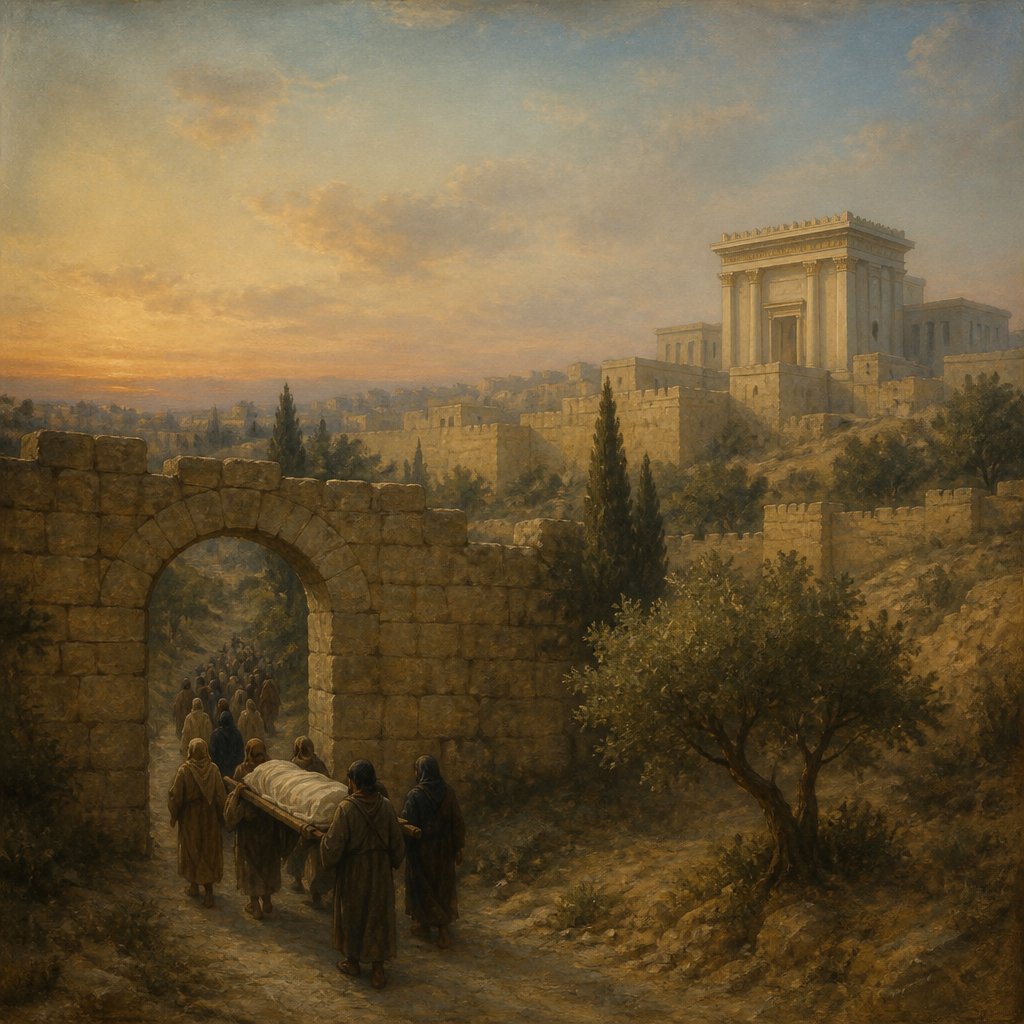
"Then I saw the wicked buried, who had come and gone from the place of the holy, and they were forgotten in the city where they had so done: this is also vanity."
The book of Ecclesiastes is a part of the wisdom literature in the Old Testament. The writer, traditionally believed to be King Solomon, reflects on the meaning of life, the futility of human efforts, and the inevitability of death. Ecclesiastes 8:10 is a verse that speaks to the writer's observation of the fate of the wicked, and its apparent lack of justice or consequence.
The verse begins with the writer's recollection of seeing the wicked being buried, despite their frequent visits to the holy place. This observation troubles the writer because it seems to go against the idea of justice and retribution for wrongdoings. The wicked are not shown to receive any punishment or consequence for their actions – they are buried and forgotten like anyone else.
The phrase "this is also vanity" is a recurring theme throughout the book of Ecclesiastes. Vanity here does not refer to self-admiration or pride, but rather to the fleeting and meaningless nature of human existence. The writer uses this phrase to express his frustration and disillusionment with the world and its lack of justice.
The theme of justice and the fate of the wicked is a central concern in Ecclesiastes 8:10. The writer is grappling with the apparent unfairness of life, where the wicked are not held accountable for their actions. This observation highlights the writer's general pessimism about the world and the human condition. It also raises questions about the nature of God and His role in upholding justice.
The context of this verse is important in understanding its significance. The writer of Ecclesiastes is reflecting on his experiences and observations, which likely stem from the historical and social context of ancient Israel. The lack of immediate justice for the wicked may have been a source of frustration and confusion for the writer. He may have been seeking to reconcile his observations with his beliefs about the nature of God and the world.
Symbolism plays a significant role in interpreting Ecclesiastes 8:10. The burial of the wicked represents the ultimate end of their lives and actions. The fact that they are "forgotten in the city" suggests that their legacy and impact are lost to time, further emphasizing the fleeting and transient nature of human existence. The holy place, mentioned in the verse, symbolizes a space of righteousness and divine presence. The juxtaposition of the wicked visiting such a place adds to the irony and injustice the writer is lamenting.
Despite its seeming bleakness, Ecclesiastes 8:10 offers an opportunity for reflection and contemplation. The verse invites readers to consider the complexities of justice, the enigmatic nature of life, and the role of God in the world. It prompts us to grapple with the difficult questions of morality and fate, and to seek understanding in the face of apparent injustice.
In conclusion, Ecclesiastes 8:10 is a thought-provoking verse that delves into the themes of justice, vanity, and the existential dilemmas of human existence. The writer's observations and reflections challenge us to confront the complexities of life and the apparent injustices we witness. Ultimately, this verse compels us to seek deeper meaning and understanding in the face of the enigmas of the world.
Have questions about Ecclesiastes 8:10?
Dive deeper into this scripture with Bible Chat — an AI-powered tool for exploring God's Word through conversation. Ask questions, get context, and grow in your understanding of the Bible.
Get Our Apps


Ecclesiastes 8:10 Artwork

Ecclesiastes 8:10 - "And so I saw the wicked buried, who had come and gone from the place of the holy, and they were forgotten in the city where they had so done: this is also vanity."
"And so I saw the wicked buried, who had come and gone from the place of the holy, and they were forgotten in the city where they had so done: this is also vanity." - Ecclesiastes 8:10

Ecclesiastes 10:8 - "He that diggeth a pit shall fall into it; and whoso breaketh an hedge, a serpent shall bite him."
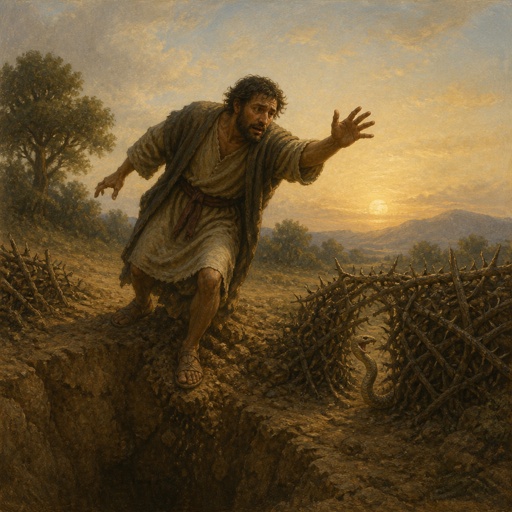
"He that diggeth a pit shall fall into it; and whoso breaketh an hedge, a serpent shall bite him." - Ecclesiastes 10:8

ecclesiastes 12:1-8

ecclesiastes 12:1-8

ecclesiastes 12:1-8

ecclesiastes 12:1-8

Ecclesiastes 3:7-8

ecclesiastes 12:1-8

Ecclesiastes 12:8 - "¶ Vanity of vanities, saith the preacher; all is vanity."

Ecclesiastes 10:10 - "If the iron be blunt, and he do not whet the edge, then must he put to more strength: but wisdom is profitable to direct."

Ecclesiastes 3:8 - "A time to love, and a time to hate; a time of war, and a time of peace."

Ecclesiastes 10:6 - "Folly is set in great dignity, and the rich sit in low place."

Ecclesiastes 10:11 - "Surely the serpent will bite without enchantment; and a babbler is no better."

Ecclesiastes 8:2 - "I counsel thee to keep the king's commandment, and that in regard of the oath of God."

Ecclesiastes 8:7 - "For he knoweth not that which shall be: for who can tell him when it shall be?"

Ecclesiastes 10:18 - "¶ By much slothfulness the building decayeth; and through idleness of the hands the house droppeth through."

Ecclesiastes 10:19 - "¶ A feast is made for laughter, and wine maketh merry: but money answereth all things."

Ecclesiastes 8:6 - "¶ Because to every purpose there is time and judgment, therefore the misery of man is great upon him."

Ecclesiastes 10:13 - "The beginning of the words of his mouth is foolishness: and the end of his talk is mischievous madness."

Ecclesiastes 10:2 - "A wise man's heart is at his right hand; but a fool's heart at his left."

Ecclesiastes 10:12 - "The words of a wise man's mouth are gracious; but the lips of a fool will swallow up himself."

Ecclesiastes 9:8 - "Let thy garments be always white; and let thy head lack no ointment."

Ecclesiastes 8:4 - "Where the word of a king is, there is power: and who may say unto him, What doest thou?"

Ecclesiastes 7:8 - "Better is the end of a thing than the beginning thereof: and the patient in spirit is better than the proud in spirit."

Ecclesiastes 10:5 - "There is an evil which I have seen under the sun, as an error which proceedeth from the ruler:"

Ecclesiastes 12:10 - "The preacher sought to find out acceptable words: and that which was written was upright, even words of truth."

Ecclesiastes 10:15 - "The labour of the foolish wearieth every one of them, because he knoweth not how to go to the city."

Ecclesiastes 10:7 - "I have seen servants upon horses, and princes walking as servants upon the earth."