What does Ecclesiastes 7:15 mean?
"All things have I seen in the days of my vanity: there is a just man that perisheth in his righteousness, and there is a wicked man that prolongeth his life in his wickedness." - Ecclesiastes 7:15
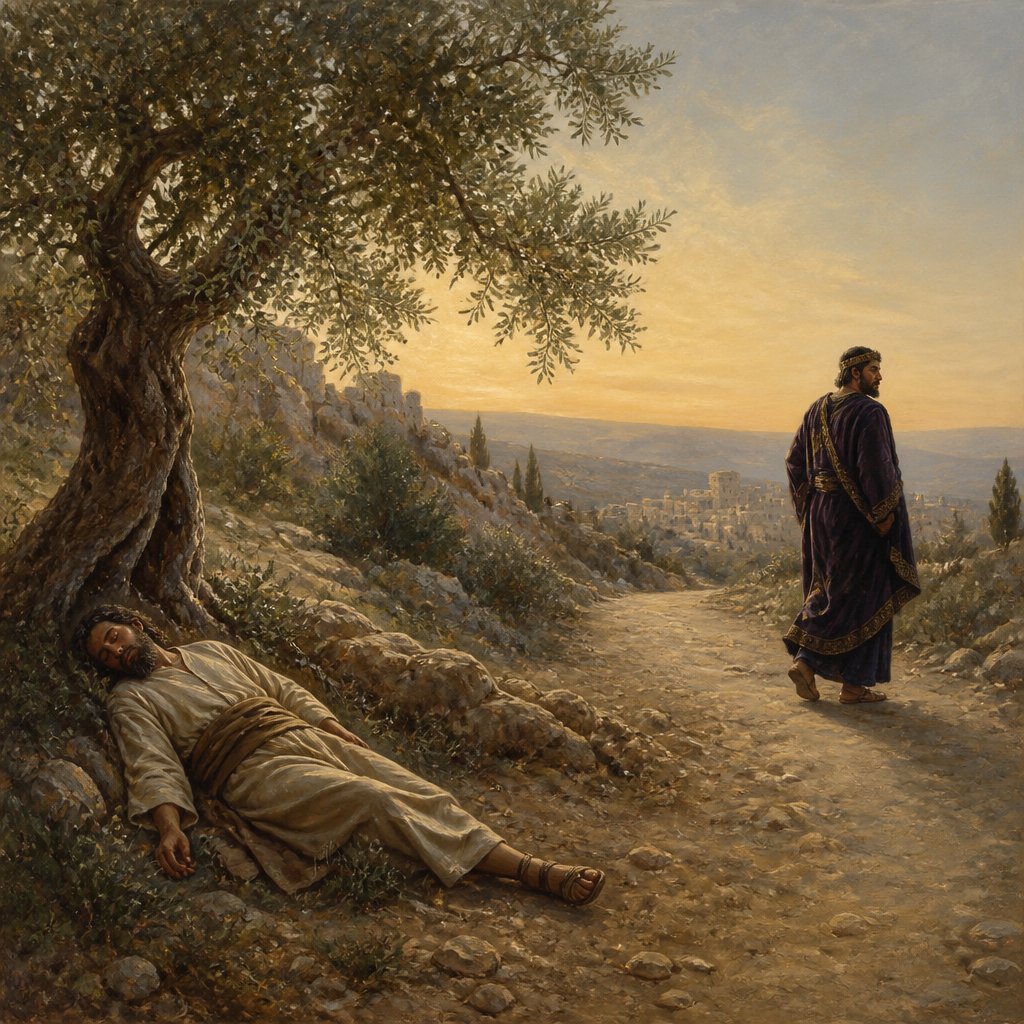
Ecclesiastes 7:15 in the King James Version of the Bible reads, "All things have I seen in the days of my vanity: there is a just man that perisheth in his righteousness, and there is a wicked man that prolongeth his life in his wickedness."
This verse comes from the book of Ecclesiastes, which is traditionally attributed to King Solomon. The book deals with the existential questions of life and the pursuit of meaning and purpose. In this particular verse, the author reflects on the paradoxical nature of life, where a just or righteous individual may suffer while a wicked person may thrive.
The phrase "all things have I seen in the days of my vanity" suggests that the author has observed the world and its ways, and has come to certain conclusions about the nature of existence. The term "vanity" in this context refers to the fleeting and transitory nature of life, as well as the futility of human endeavors apart from God.
The first part of the verse states, "there is a just man that perisheth in his righteousness." This observation highlights the injustice and unpredictability of life. Despite being righteous and living according to moral principles, the just man may face suffering, adversity, or even death. This challenges the traditional understanding of divine justice, where the righteous are expected to be rewarded and the wicked punished. The author's observation suggests that the concept of retributive justice may not always hold true in the complexities of human experience.
Conversely, the verse also states, "there is a wicked man that prolongeth his life in his wickedness." This statement further emphasizes the paradoxical nature of life, where a wicked person may thrive and enjoy a long life despite their immoral actions. This raises questions about the apparent lack of consequences for the wicked and the apparent inequity of their situation.
The overarching theme of this verse is the enigma of human existence and the inscrutable ways of the world. It challenges the conventional understanding of justice and retribution, and invites the reader to ponder the complexities and contradictions of life. This existential reflection serves to highlight the limitations of human wisdom and understanding.
In the broader context of the book of Ecclesiastes, this verse contributes to the overall message of the vanity of human endeavors and the ultimate significance of seeking God. The author's observations about the injustices of life serve to underscore the need for a deeper understanding of divine providence and an acknowledgment of the limitations of human wisdom.
Symbolically, the contrasting fates of the just and the wicked reflect the inherent tension between good and evil, order and chaos, and justice and injustice in the natural order of the world. This tension is a recurring motif in the book of Ecclesiastes, where the author grapples with the complexities and contradictions of life.
In conclusion, Ecclesiastes 7:15 offers a poignant reflection on the paradoxes of human existence, challenging conventional notions of justice and righteousness. It prompts the reader to consider the limitations of human understanding and the need for a deeper wisdom that transcends the fleeting nature of life. Ultimately, the verse invites a contemplation of the enigmatic ways of the world and the pursuit of meaning and purpose in the face of life's inherent uncertainties.
Have questions about Ecclesiastes 7:15?
Dive deeper into this scripture with Bible Chat — an AI-powered tool for exploring God's Word through conversation. Ask questions, get context, and grow in your understanding of the Bible.
Get Our Apps


Ecclesiastes 7:15 Artwork

Ecclesiastes 7:15 - "All things have I seen in the days of my vanity: there is a just man that perisheth in his righteousness, and there is a wicked man that prolongeth his life in his wickedness."
"All things have I seen in the days of my vanity: there is a just man that perisheth in his righteousness, and there is a wicked man that prolongeth his life in his wickedness." - Ecclesiastes 7:15

Ecclesiastes 7:7 - "¶ Surely oppression maketh a wise man mad; and a gift destroyeth the heart."

Ecclesiastes 3:7-8

Ecclesiastes 1:15 - "That which is crooked cannot be made straight: and that which is wanting cannot be numbered."

Ecclesiastes 7:11 - "¶ Wisdom is good with an inheritance: and by it there is profit to them that see the sun."

Ecclesiastes 4:7 - "Then I returned, and I saw vanity under the sun."

Ecclesiastes 7:9 - "Be not hasty in thy spirit to be angry: for anger resteth in the bosom of fools."

Ecclesiastes 6:7 - "All the labour of man is for his mouth, and yet the appetite is not filled."

Ecclesiastes 7:20 - "For there is not a just man upon earth, that doeth good, and sinneth not."

Ecclesiastes 7:3 - "Sorrow is better than laughter: for by the sadness of the countenance the heart is made better."

Ecclesiastes 11:7 - "¶ Truly the light is sweet, and a pleasant thing it is for the eyes to behold the sun:"

Ecclesiastes 7:4 - "The heart of the wise is in the house of mourning; but the heart of fools is in the house of mirth."

Ecclesiastes 1:15 What is crooked cannot be made straight, and what is lacking cannot be counted.

Ecclesiastes 1:15 What is crooked cannot be made straight, and what is lacking cannot be counted.

Ecclesiastes 10:15 - "The labour of the foolish wearieth every one of them, because he knoweth not how to go to the city."

Ecclesiastes 3:15 - "That which hath been is now; and that which is to be hath already been; and God requireth that which is past."

Ecclesiastes 8:7 - "For he knoweth not that which shall be: for who can tell him when it shall be?"

Ecclesiastes 5:7 - "For in the multitude of dreams and many words there are also divers vanities: but fear thou God."

Ecclesiastes 7:19 - "Wisdom strengtheneth the wise more than ten mighty men which are in the city."

Ecclesiastes 1:15 What is crooked cannot be made straight, and what is lacking cannot be counted.

Ecclesiastes 3:7 - "A time to rend, and a time to sew; a time to keep silence, and a time to speak;"

Ecclesiastes 7:24 - "That which is far off, and exceeding deep, who can find it out?"

Ecclesiastes 7:6 - "For as the crackling of thorns under a pot, so is the laughter of the fool: this also is vanity."

Ecclesiastes 7:5 - "It is better to hear the rebuke of the wise, than for a man to hear the song of fools."

Ecclesiastes 1:15 What is crooked cannot be made straight, and what is lacking cannot be counted.

Ecclesiastes 12:7 - "Then shall the dust return to the earth as it was: and the spirit shall return unto God who gave it."
![[NRSVUE]
Ecclesiastes 1:15
15 What is crooked cannot be made straight,
and what is lacking cannot be counted.](https://media.bible.art/15df6472-8856-4b1a-ba72-91e73096565e-thumbnail.jpg)
[NRSVUE] Ecclesiastes 1:15 15 What is crooked cannot be made straight, and what is lacking cannot be counted.

Ecclesiastes 1:15 What is crooked cannot be made straight, and what is lacking cannot be counted.
![[NRSVUE]
Ecclesiastes 1:15
15 What is crooked cannot be made straight,
and what is lacking cannot be counted.](https://media.bible.art/6f182873-2ddf-4166-a947-60a35703d2a9-thumbnail.jpg)
[NRSVUE] Ecclesiastes 1:15 15 What is crooked cannot be made straight, and what is lacking cannot be counted.