What does Ecclesiastes 6:6 mean?
"¶ Yea, though he live a thousand years twice told, yet hath he seen no good: do not all go to one place?" - Ecclesiastes 6:6

Ecclesiastes 6:6 in the King James Version of the Bible reads, "Yea, though he live a thousand years twice told, yet hath he seen no good: do not all go to one place?"
This verse is found within the book of Ecclesiastes, which is traditionally attributed to King Solomon, the son of David. The book is a reflection on the vanity of life and the search for meaning, and it is filled with philosophical musings and observations on the human condition.
In Ecclesiastes 6:6, the author is expressing a profound sense of disillusionment with life. The verse begins with the phrase "Yea, though he live a thousand years twice told," which presents the hypothetical scenario of someone living a long and prosperous life. In ancient Hebrew culture, a thousand years was the epitome of a long lifespan, and the idea of living "twice told" emphasizes the extreme duration of this individual's life.
Despite this extraordinary longevity, the verse concludes with the observation that "yet hath he seen no good." This expression highlights the futility and emptiness of a life that is devoid of purpose and satisfaction. It suggests that even an extended lifespan does not guarantee a fulfilling or meaningful existence.
The verse then poses the question, "do not all go to one place?" This question alludes to the inevitability of death, which is the ultimate destination for all humanity regardless of the length or quality of their lives. It reflects a sense of fatalism and resignation, acknowledging the universal human experience of mortality and the common fate that awaits us all.
One of the central themes of Ecclesiastes 6:6 is the transient nature of human existence and the fleeting nature of worldly pursuits. The verse serves as a reminder that even a long and prosperous life is ultimately insignificant in the face of the overarching reality of death. This echoes the broader theme of Ecclesiastes, which emphasizes the impermanence of earthly achievements and the ultimate futility of striving after material success.
The verse also speaks to the universal human longing for meaning and significance. Despite the hypothetical scenario of a thousand-year lifespan, the absence of true fulfillment and satisfaction renders such a life ultimately meaningless. This reflects the author's deep introspection and disillusionment with the pursuit of earthly pleasures and accomplishments, highlighting the profound shortcomings of worldly ambition.
Furthermore, the verse can be seen as a meditation on the human condition and the universal experience of mortality. It reflects on the inevitability of death and the common fate that unites all of humanity, regardless of individual circumstances or achievements. This contemplation of the brevity of life and the inescapable reality of death serves as a poignant and sobering reflection on the human experience.
In terms of symbolism, Ecclesiastes 6:6 can be viewed as a representation of the fleeting and transient nature of human existence. The hypothetical scenario of a thousand-year lifespan serves as a metaphor for the pursuit of worldly success and longevity, which is ultimately revealed to be empty and unfulfilling. The question of whether "all go to one place" symbolizes the universal experience of mortality and the common destiny that awaits all people, regardless of their earthly endeavors.
In conclusion, Ecclesiastes 6:6 is a poignant and thought-provoking verse that offers a sobering reflection on the human condition. It grapples with the universal themes of mortality, meaning, and the transient nature of worldly pursuits, challenging readers to consider the ultimate significance of their lives in the face of inevitable death. It serves as a profound meditation on the futility of earthly ambition and the fleeting nature of human existence, offering a sobering reminder of the ultimate insignificance of worldly success in the grand scheme of life.
Have questions about Ecclesiastes 6:6?
Dive deeper into this scripture with Bible Chat — an AI-powered tool for exploring God's Word through conversation. Ask questions, get context, and grow in your understanding of the Bible.
Get Our Apps


Ecclesiastes 6:6 Artwork

Ecclesiastes 6:6 - "¶ Yea, though he live a thousand years twice told, yet hath he seen no good: do not all go to one place?"
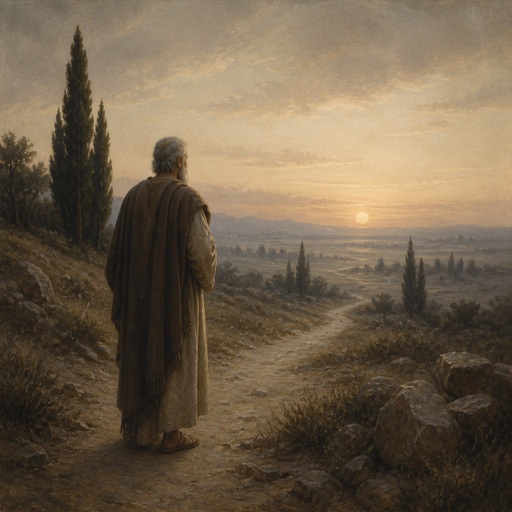
"¶ Yea, though he live a thousand years twice told, yet hath he seen no good: do not all go to one place?" - Ecclesiastes 6:6

ecclesiastes 12:2-6

Ecclesiastes 10:6 - "Folly is set in great dignity, and the rich sit in low place."

Ecclesiastes 6:7 - "All the labour of man is for his mouth, and yet the appetite is not filled."

Ecclesiastes 6:11 - "¶ Seeing there be many things that increase vanity, what is man the better?"

Ecclesiastes 3:6 - "A time to get, and a time to lose; a time to keep, and a time to cast away;"

Ecclesiastes 7:6 - "For as the crackling of thorns under a pot, so is the laughter of the fool: this also is vanity."

Ecclesiastes 6:9 - "¶ Better is the sight of the eyes than the wandering of the desire: this is also vanity and vexation of spirit."

Ecclesiastes 6:1 - "There is an evil which I have seen under the sun, and it is common among men:"

Ecclesiastes 6:4 - "For he cometh in with vanity, and departeth in darkness, and his name shall be covered with darkness."

Ecclesiastes 4:6 - "Better is an handful with quietness, than both the hands full with travail and vexation of spirit."

Ecclesiastes 8:6 - "¶ Because to every purpose there is time and judgment, therefore the misery of man is great upon him."

Ecclesiastes 2:6 - "I made me pools of water, to water therewith the wood that bringeth forth trees:"

Ecclesiastes 12:6 - "Or ever the silver cord be loosed, or the golden bowl be broken, or the pitcher be broken at the fountain, or the wheel broken at the cistern."

Ecclesiastes 6:8 - "For what hath the wise more than the fool? what hath the poor, that knoweth to walk before the living?"

Ecclesiastes 6:5 - "Moreover he hath not seen the sun, nor known any thing: this hath more rest than the other."

Ecclesiastes 6:10 - "That which hath been is named already, and it is known that it is man: neither may he contend with him that is mightier than he."

Ecclesiastes 1:6 - "The wind goeth toward the south, and turneth about unto the north; it whirleth about continually, and the wind returneth again according to his circuits."

Ecclesiastes 9:6 - "Also their love, and their hatred, and their envy, is now perished; neither have they any more a portion for ever in any thing that is done under the sun."

"Folly is set in great dignity, and the rich sit in low place." - Ecclesiastes 10:6

Ecclesiastes 11:6 - "In the morning sow thy seed, and in the evening withhold not thine hand: for thou knowest not whether shall prosper, either this or that, or whether they both shall be alike good."

"¶ Seeing there be many things that increase vanity, what is man the better?" - Ecclesiastes 6:11

"All the labour of man is for his mouth, and yet the appetite is not filled." - Ecclesiastes 6:7

"A time to get, and a time to lose; a time to keep, and a time to cast away;" - Ecclesiastes 3:6

"For as the crackling of thorns under a pot, so is the laughter of the fool: this also is vanity." - Ecclesiastes 7:6
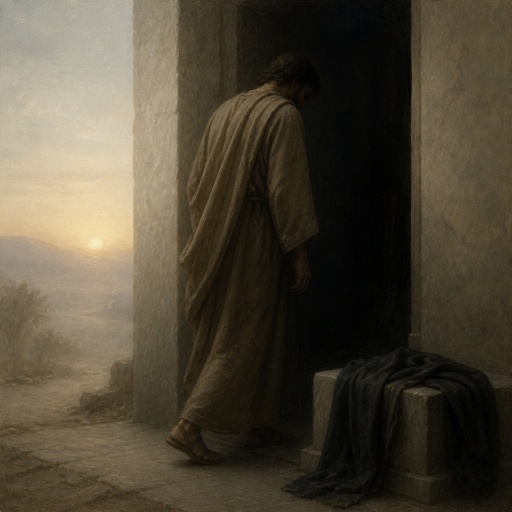
"For he cometh in with vanity, and departeth in darkness, and his name shall be covered with darkness." - Ecclesiastes 6:4
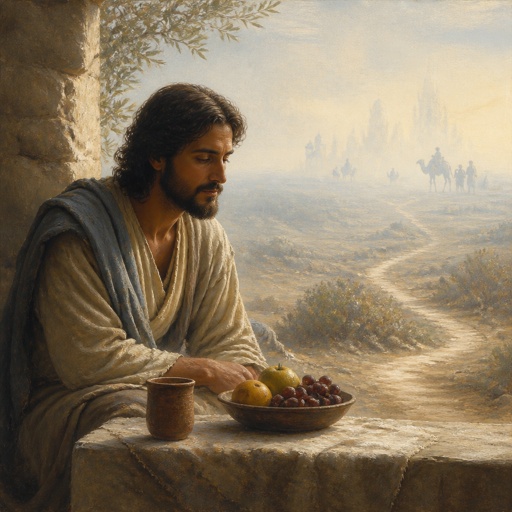
"¶ Better is the sight of the eyes than the wandering of the desire: this is also vanity and vexation of spirit." - Ecclesiastes 6:9
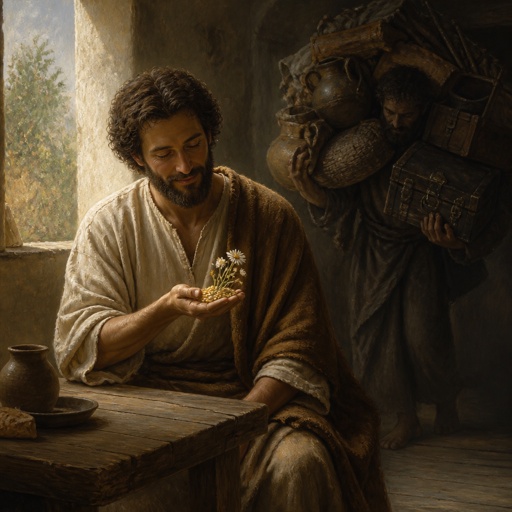
"Better is an handful with quietness, than both the hands full with travail and vexation of spirit." - Ecclesiastes 4:6

"There is an evil which I have seen under the sun, and it is common among men:" - Ecclesiastes 6:1