What does Ecclesiastes 5:5 mean?
"Better is it that thou shouldest not vow, than that thou shouldest vow and not pay." - Ecclesiastes 5:5
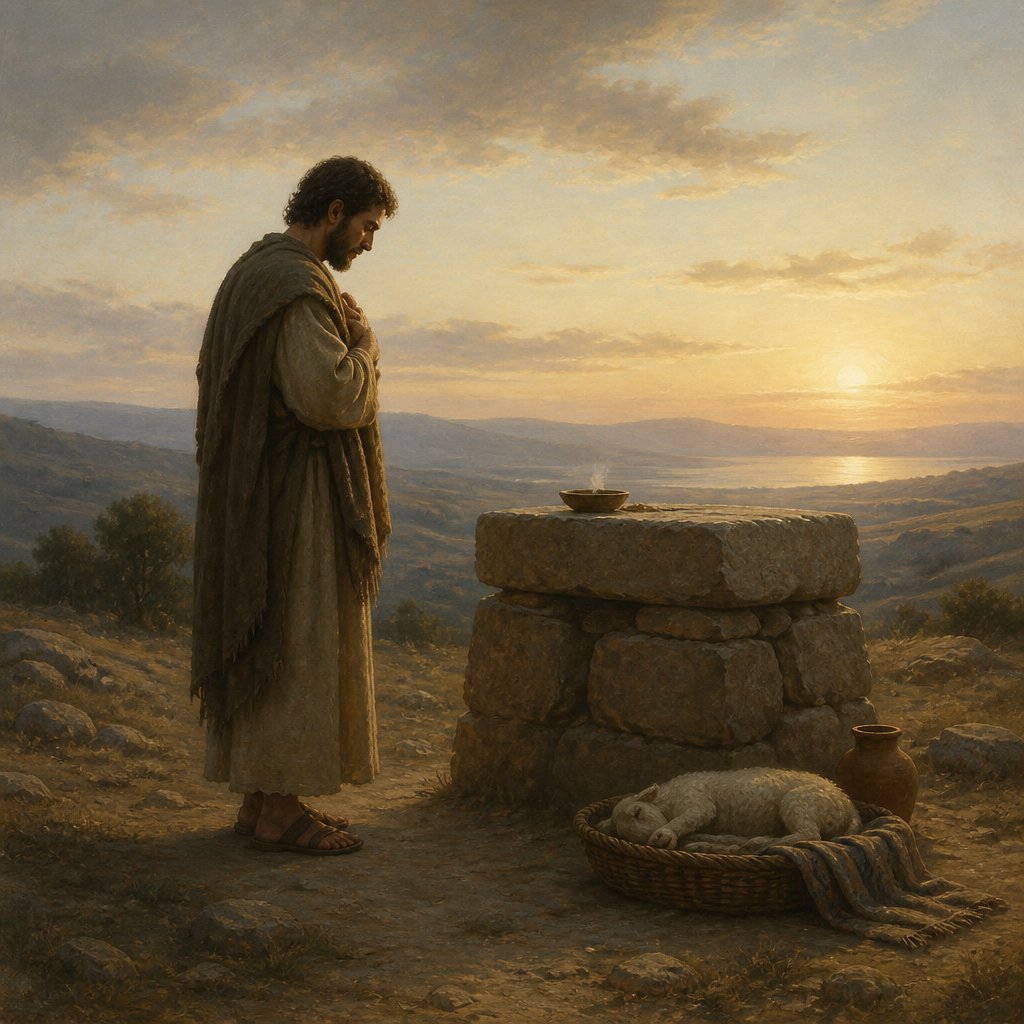
Ecclesiastes 5:5 from the King James Version states: "Better is it that thou shouldest not vow, than that thou shouldest vow and not pay."
The book of Ecclesiastes is traditionally attributed to King Solomon, who reflects on the meaning of life and the pursuit of wisdom. This particular verse is found within a passage that discusses the importance of being careful with one's words and actions, especially when it comes to making vows or promises to God.
The theme of this verse is centered around the concept of integrity and the importance of being true to one's word. It serves as a reminder that it is better not to make a vow or promise at all than to make one and fail to fulfill it. This theme is relevant in both religious and secular contexts, as it speaks to the value of honesty, responsibility, and the impact of our words and actions on others.
In the context of the wider passage, the verse comes as a warning against hasty or insincere vows made to God. The speaker advises restraint and caution when making commitments, particularly in matters of faith and worship. The verse also alludes to the seriousness of making a vow to God and the repercussions of not following through on that vow.
From a theological standpoint, this verse touches on the idea of the importance of keeping one's promises to God. In the Old Testament, vows and oaths were an integral part of Israelite religious practice, and they were to be taken seriously. Failing to fulfill a vow was considered sinful and could have serious consequences. The verse encourages believers to think carefully before making commitments to God and to ensure that they are able and willing to uphold them.
Moreover, the verse can also be interpreted in a broader ethical sense. It underlines the significance of honesty and integrity in our dealings with others. While the context of the verse specifically pertains to vows made to God, the underlying principle can be applied to any promise or agreement made with fellow human beings.
Symbolically, the verse can be seen as a reflection of the broader theme of the book of Ecclesiastes, which is a meditation on the fleeting nature of human existence and the pursuit of meaning and wisdom in the face of life's uncertainties. The verse serves as a reminder of the importance of being mindful of our words and actions, recognizing the weight of our commitments, and understanding the impact they have on our relationships and spiritual well-being.
In conclusion, Ecclesiastes 5:5 from the King James Version offers profound wisdom on the importance of integrity, honesty, and responsibility in our commitments, both to God and to others. It urges us to be thoughtful and deliberate in our words and actions, emphasizing the weight of our promises and the need to uphold them with honor and sincerity. The verse has relevance across religious, ethical, and philosophical contexts, and its message continues to resonate as a timeless reminder of the value of personal integrity and the impact of our choices.
Have questions about Ecclesiastes 5:5?
Dive deeper into this scripture with Bible Chat — an AI-powered tool for exploring God's Word through conversation. Ask questions, get context, and grow in your understanding of the Bible.
Get Our Apps


Ecclesiastes 5:5 Artwork

Ecclesiastes 5:5 - "Better is it that thou shouldest not vow, than that thou shouldest vow and not pay."

"Better is it that thou shouldest not vow, than that thou shouldest vow and not pay." - Ecclesiastes 5:5

Ecclesiastes 5:9 - "¶ Moreover the profit of the earth is for all: the king himself is served by the field."

Ecclesiastes 4:5 - "The fool foldeth his hands together, and eateth his own flesh."

Ecclesiastes 7:5 - "It is better to hear the rebuke of the wise, than for a man to hear the song of fools."

Ecclesiastes 5:7 - "For in the multitude of dreams and many words there are also divers vanities: but fear thou God."

Ecclesiastes 5:3 - "For a dream cometh through the multitude of business; and a fool's voice is known by multitude of words."

Ecclesiastes 5:14 - "But those riches perish by evil travail: and he begetteth a son, and there is nothing in his hand."

Ecclesiastes 10:5 - "There is an evil which I have seen under the sun, as an error which proceedeth from the ruler:"

Ecclesiastes 2:5 - "I made me gardens and orchards, and I planted trees in them of all kind of fruits:"

Ecclesiastes 1:5 - "The sun also ariseth, and the sun goeth down, and hasteth to his place where he arose."

Ecclesiastes 5:10 - "He that loveth silver shall not be satisfied with silver; nor he that loveth abundance with increase: this is also vanity."

Ecclesiastes 5:13 - "There is a sore evil which I have seen under the sun, namely, riches kept for the owners thereof to their hurt."

Ecclesiastes 5:17 - "All his days also he eateth in darkness, and he hath much sorrow and wrath with his sickness."

Ecclesiastes 5:11 - "When goods increase, they are increased that eat them: and what good is there to the owners thereof, saving the beholding of them with their eyes?"

Ecclesiastes 3:5 - "A time to cast away stones, and a time to gather stones together; a time to embrace, and a time to refrain from embracing;"

Ecclesiastes 8:5 - "Whoso keepeth the commandment shall feel no evil thing: and a wise man's heart discerneth both time and judgment."

Ecclesiastes 5:20 - "For he shall not much remember the days of his life; because God answereth him in the joy of his heart."

Ecclesiastes 6:5 - "Moreover he hath not seen the sun, nor known any thing: this hath more rest than the other."

Ecclesiastes 5:12 - "The sleep of a labouring man is sweet, whether he eat little or much: but the abundance of the rich will not suffer him to sleep."

Ecclesiastes 9:5 - "For the living know that they shall die: but the dead know not any thing, neither have they any more a reward; for the memory of them is forgotten."

Ecclesiastes 5:4 - "When thou vowest a vow unto God, defer not to pay it; for he hath no pleasure in fools: pay that which thou hast vowed."

Ecclesiastes 5:1 - "Keep thy foot when thou goest to the house of God, and be more ready to hear, than to give the sacrifice of fools: for they consider not that they do evil."
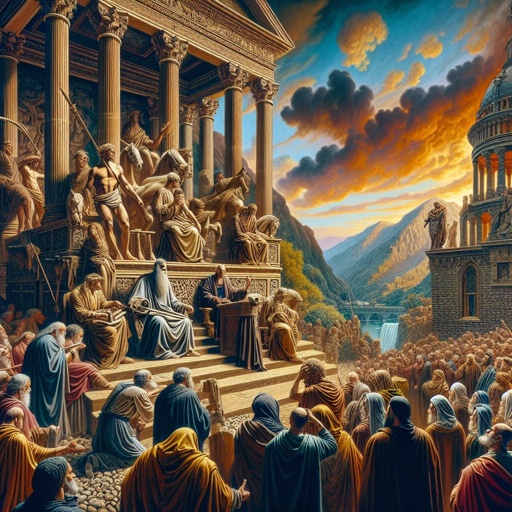
Ecclesiastes 5:8 - "¶ If thou seest the oppression of the poor, and violent perverting of judgment and justice in a province, marvel not at the matter: for he that is higher than the highest regardeth; and there be higher than they."

Ecclesiastes 5:16 - "And this also is a sore evil, that in all points as he came, so shall he go: and what profit hath he that hath laboured for the wind?"

"¶ Moreover the profit of the earth is for all: the king himself is served by the field." - Ecclesiastes 5:9

"The sun also ariseth, and the sun goeth down, and hasteth to his place where he arose." - Ecclesiastes 1:5

"The fool foldeth his hands together, and eateth his own flesh." - Ecclesiastes 4:5

"It is better to hear the rebuke of the wise, than for a man to hear the song of fools." - Ecclesiastes 7:5

Ecclesiastes 11:5 - "As thou knowest not what is the way of the spirit, nor how the bones do grow in the womb of her that is with child: even so thou knowest not the works of God who maketh all."