What does Ecclesiastes 5:3 mean?
"For a dream cometh through the multitude of business; and a fool's voice is known by multitude of words." - Ecclesiastes 5:3
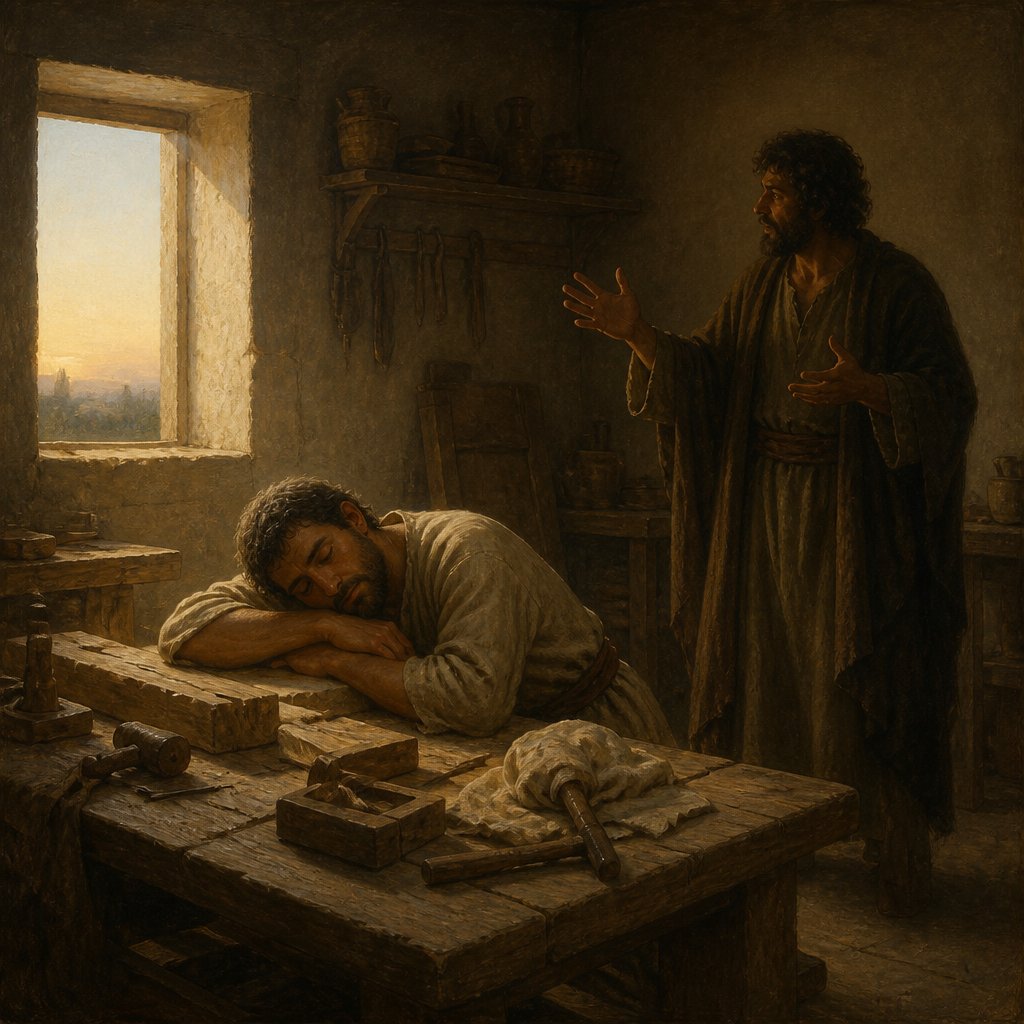
Ecclesiastes 5:3 (KJV) states, "For a dream cometh through the multitude of business; and a fool's voice is known by multitude of words."
This verse is part of the wisdom literature found in the Old Testament of the Bible. The book of Ecclesiastes is traditionally attributed to King Solomon, the son of David, and it is a reflection on the meaning of life and the pursuit of wisdom. Ecclesiastes is often considered one of the more profound and complex books of the Bible, and it offers deep insights into the human experience.
In Ecclesiastes 5:3, Solomon is addressing the nature of dreams and the importance of thoughtful speech. The verse begins with the idea that dreams come "through the multitude of business." This can be interpreted in a few ways. Some scholars suggest that this refers to the fact that dreams often come during times of stress or busyness, when the mind is preoccupied with the day's activities. In a more metaphorical sense, the "multitude of business" could refer to the complexity and depth of our inner lives, and how dreams often arise from the depths of our subconscious thoughts and feelings.
The second part of the verse states, "and a fool's voice is known by multitude of words." This is a caution against speaking too much and making hasty, thoughtless remarks. The idea here is that a foolish person is characterized by the sheer volume of their words, as opposed to the wisdom and discernment with which they speak. This reflects the broader theme of wisdom and the importance of measured, thoughtful speech found throughout the book of Ecclesiastes.
The verse can be seen in the larger context of the book's examination of the human condition. Throughout Ecclesiastes, Solomon grapples with the fleeting nature of life, the pursuit of pleasure and wealth, and the ultimate futility of human endeavors. In this verse, he is offering practical wisdom about how to navigate the complexities of life with discernment and restraint.
There are several notable themes and lessons to be drawn from Ecclesiastes 5:3. One is the importance of paying attention to the inner world of dreams and the unconscious mind. Dreams have long been a source of fascination and mystery for humans, and this verse highlights their potential significance in understanding our inner lives.
The contrast between dreams and speech also offers a valuable lesson about the power of words. In a world filled with noise and chatter, the verse encourages us to be mindful of the words we speak and to seek wisdom and discernment in our communication. It emphasizes the value of thoughtful, measured speech over empty or careless words.
The verse also speaks to the broader theme of wisdom and discernment that runs throughout Ecclesiastes. Solomon repeatedly urges his readers to seek wisdom and to approach life with thoughtfulness and introspection. This verse is a caution against thoughtless speech and a reminder of the importance of inner reflection and discernment.
Symbolically, the verse can be seen as a reflection of the complexities of the human experience. Dreams and speech are both deeply intertwined with our inner lives and are powerful tools for self-expression and understanding. The verse challenges us to pay attention to the deeper meaning behind our dreams and to approach our communication with wisdom and discernment.
In conclusion, Ecclesiastes 5:3 offers a thought-provoking reflection on the nature of dreams and speech. It is a call to introspection and discernment, emphasizing the significance of inner reflection and thoughtful communication. In the larger context of the book of Ecclesiastes, it is a reminder of the importance of wisdom and the pursuit of understanding in the face of life's complexities.
Have questions about Ecclesiastes 5:3?
Dive deeper into this scripture with Bible Chat — an AI-powered tool for exploring God's Word through conversation. Ask questions, get context, and grow in your understanding of the Bible.
Get Our Apps


Ecclesiastes 5:3 Artwork

Ecclesiastes 5:3 - "For a dream cometh through the multitude of business; and a fool's voice is known by multitude of words."
"For a dream cometh through the multitude of business; and a fool's voice is known by multitude of words." - Ecclesiastes 5:3

Ecclesiastes 3:5 - "A time to cast away stones, and a time to gather stones together; a time to embrace, and a time to refrain from embracing;"

Ecclesiastes 5:5 - "Better is it that thou shouldest not vow, than that thou shouldest vow and not pay."

Ecclesiastes 3:1

Ecclesiastes 3:3 - "A time to kill, and a time to heal; a time to break down, and a time to build up;"

Ecclesiastes 3:7-8
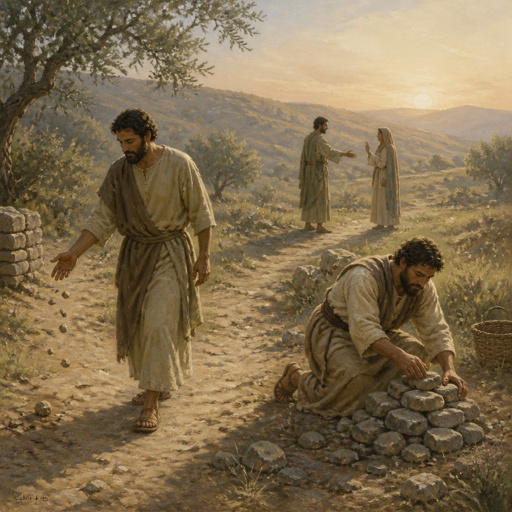
"A time to cast away stones, and a time to gather stones together; a time to embrace, and a time to refrain from embracing;" - Ecclesiastes 3:5

Ecclesiastes 3:1 – "There is a time for everything, and a season for every activity under the heavens."

Ecclesiastes 5:9 - "¶ Moreover the profit of the earth is for all: the king himself is served by the field."

Ecclesiastes 4:5 - "The fool foldeth his hands together, and eateth his own flesh."

Ecclesiastes 3:9 - "What profit hath he that worketh in that wherein he laboureth?"

Ecclesiastes 3:1 - "To every thing there is a season, and a time to every purpose under the heaven:"

Ecclesiastes 3:4 - "A time to weep, and a time to laugh; a time to mourn, and a time to dance;"

Ecclesiastes 3:8 - "A time to love, and a time to hate; a time of war, and a time of peace."

Ecclesiastes 7:5 - "It is better to hear the rebuke of the wise, than for a man to hear the song of fools."

Ecclesiastes 5:7 - "For in the multitude of dreams and many words there are also divers vanities: but fear thou God."

Ecclesiastes 3:6 - "A time to get, and a time to lose; a time to keep, and a time to cast away;"

Ecclesiastes 7:3 - "Sorrow is better than laughter: for by the sadness of the countenance the heart is made better."

Ecclesiastes 3:7 - "A time to rend, and a time to sew; a time to keep silence, and a time to speak;"

Ecclesiastes 5:14 - "But those riches perish by evil travail: and he begetteth a son, and there is nothing in his hand."

Ecclesiastes 10:5 - "There is an evil which I have seen under the sun, as an error which proceedeth from the ruler:"

Ecclesiastes 2:5 - "I made me gardens and orchards, and I planted trees in them of all kind of fruits:"

Ecclesiastes 3:21 - "Who knoweth the spirit of man that goeth upward, and the spirit of the beast that goeth downward to the earth?"

Ecclesiastes 3:2 - "A time to be born, and a time to die; a time to plant, and a time to pluck up that which is planted;"

Ecclesiastes 3:16 - "¶ And moreover I saw under the sun the place of judgment, that wickedness was there; and the place of righteousness, that iniquity was there."

Ecclesiastes 3:20 - "All go unto one place; all are of the dust, and all turn to dust again."

Ecclesiastes 3:12 - "I know that there is no good in them, but for a man to rejoice, and to do good in his life."

"Better is it that thou shouldest not vow, than that thou shouldest vow and not pay." - Ecclesiastes 5:5

Ecclesiastes 1:5 - "The sun also ariseth, and the sun goeth down, and hasteth to his place where he arose."