What does Ecclesiastes 4:9-11 mean?
"Two are better than one; because they have a good reward for their labour. For if they fall, the one will lift up his fellow: but woe to him that is alone when he falleth; for he hath not another to help him up. Again, if two lie together, then they have heat: but how can one be warm alone?" - Ecclesiastes 4:9-11

Ecclesiastes 4:9-11 (KJV) says, "Two are better than one; because they have a good reward for their labour. For if they fall, the one will lift up his fellow: but woe to him that is alone when he falleth; for he hath not another to help him up. Again, if two lie together, then they have heat: but how can one be warm alone?"
The Book of Ecclesiastes is traditionally attributed to King Solomon, who is portrayed as a wise and wealthy ruler in the Old Testament. The book explores themes of the futility of life and the search for meaning, offering wisdom and guidance on how to navigate the challenges and complexities of the world. This particular passage emphasizes the value of companionship and the importance of mutual support and partnership.
The first verse, "Two are better than one; because they have a good reward for their labour," speaks to the idea that cooperation and teamwork can lead to greater success and fulfillment. This verse highlights the fact that when individuals work together, their efforts can be more productive and their achievements more significant. This theme of unity and collaboration is a recurring motif in the Bible, demonstrating the value of community and interconnectedness in achieving common goals.
The following verse, "For if they fall, the one will lift up his fellow: but woe to him that is alone when he falleth; for he hath not another to help him up," reinforces the idea that having a companion or partner is not only advantageous in times of prosperity, but also essential in times of trouble and adversity. This verse conveys a message of solidarity and mutual support, highlighting the importance of caring for and standing by one another in times of need. It also serves as a reminder of the strength and resilience that can be found in companionship and the potential pitfalls of isolation and self-reliance.
The final verse, "Again, if two lie together, then they have heat: but how can one be warm alone?" uses a metaphor to illustrate the comfort and warmth that can come from shared experiences and intimacy. This verse underscores the emotional and physical benefits of companionship, emphasizing the inherent human need for connection and closeness. It serves as a poignant reminder of the significance of relationships and the essential role they play in fostering a sense of belonging, security, and fulfillment.
Overall, this passage from Ecclesiastes 4:9-11 conveys a timeless message about the value of companionship and the power of partnership. It speaks to the innate human need for connection and support, emphasizing the benefits of working together, standing by one another, and sharing life's moments with others. The themes of unity, mutual aid, and shared warmth resonate across cultures and generations, offering a profound and enduring wisdom that continues to hold relevance in the modern world.
In terms of symbolism, the two individuals mentioned in the passage can be seen as representing the broader concepts of unity, partnership, and interconnectedness. The imagery of falling and being lifted up, lying together and finding warmth, serves as potent symbols of the emotional, physical, and spiritual benefits that come from being in relationship with others. The passage can also be interpreted as a reflection of the divine love and support that is offered to believers through their relationship with God and their connection to a larger community of faith. It serves as a reminder of the importance of caring for and supporting one another, embodying the biblical values of compassion, empathy, and solidarity.
In conclusion, Ecclesiastes 4:9-11 offers a profound meditation on the value of companionship and the importance of relationships in navigating the challenges and joys of life. Its timeless wisdom continues to resonate with readers, offering guidance and inspiration in fostering meaningful connections, supporting one another, and building a sense of community and belonging. The passage invites reflection on the significance of unity, mutual aid, and shared warmth in our lives, reminding us of the enduring power and beauty of human connection.
Have questions about Ecclesiastes 4:9-11?
Dive deeper into this scripture with Bible Chat — an AI-powered tool for exploring God's Word through conversation. Ask questions, get context, and grow in your understanding of the Bible.
Get Our Apps


Ecclesiastes 4:9-11 Artwork

Ecclesiastes 4:9-11 - "Two are better than one, because they have a good return for their labor: If either of them falls down, one can help the other up. But pity anyone who falls and has no one to help them up. Also, if two lie down together, they will keep warm. But how can one keep warm alone?"

"Two are better than one, because they have a good return for their labor: If either of them falls down, one can help the other up. But pity anyone who falls and has no one to help them up. Also, if two lie down together, they will keep warm. But how can one keep warm alone?" - Ecclesiastes 4:9-11

Ecclesiastes 4:9 - "¶ Two are better than one; because they have a good reward for their labour."

Ecclesiastes 11:4 - "He that observeth the wind shall not sow; and he that regardeth the clouds shall not reap."

Ecclesiastes 9:4 - "¶ For to him that is joined to all the living there is hope: for a living dog is better than a dead lion."

Ecclesiastes 4:11 - "Again, if two lie together, then they have heat: but how can one be warm alone?"

"¶ Two are better than one; because they have a good reward for their labour." - Ecclesiastes 4:9

"Two are better than one, because they have a good return for their labor: If either of them falls down, one can help the other up. But pity anyone who falls and has no one to help them up." - Ecclesiastes 4:9-10

Ecclesiastes 9:4 But he who is joined with all the living has hope, for a living dog is better than a dead lion.

"He that observeth the wind shall not sow; and he that regardeth the clouds shall not reap." - Ecclesiastes 11:4

Ecclesiastes 9:4 But he who is joined with all the living has hope, for a living dog is better than a dead lion.

Ecclesiastes 1:11

"Again, if two lie together, then they have heat: but how can one be warm alone?" - Ecclesiastes 4:11

"¶ For to him that is joined to all the living there is hope: for a living dog is better than a dead lion." - Ecclesiastes 9:4

Ecclesiastes 11:9 - "¶ Rejoice, O young man, in thy youth; and let thy heart cheer thee in the days of thy youth, and walk in the ways of thine heart, and in the sight of thine eyes: but know thou, that for all these things God will bring thee into judgment."
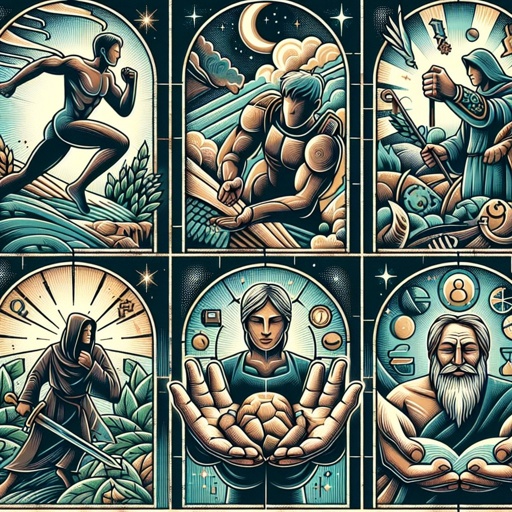
Ecclesiastes 9:11 - "¶ I returned, and saw under the sun, that the race is not to the swift, nor the battle to the strong, neither yet bread to the wise, nor yet riches to men of understanding, nor yet favour to men of skill; but time and chance happeneth to them all."

Ecclesiastes 4:9-10 - "Two are better than one, because they have a good return for their labor: If either of them falls down, one can help the other up. But pity anyone who falls and has no one to help them up."

Ecclesiastes 7:11 - "¶ Wisdom is good with an inheritance: and by it there is profit to them that see the sun."

Ecclesiastes 10:11 - "Surely the serpent will bite without enchantment; and a babbler is no better."

Ecclesiastes 3:9 - "What profit hath he that worketh in that wherein he laboureth?"

Ecclesiastes 7:9 - "Be not hasty in thy spirit to be angry: for anger resteth in the bosom of fools."

Ecclesiastes 11:7 - "¶ Truly the light is sweet, and a pleasant thing it is for the eyes to behold the sun:"

Ecclesiastes 6:11 - "¶ Seeing there be many things that increase vanity, what is man the better?"

Ecclesiastes 5:9 - "¶ Moreover the profit of the earth is for all: the king himself is served by the field."

Ecclesiastes 4:7 - "Then I returned, and I saw vanity under the sun."

Ecclesiastes 6:9 - "¶ Better is the sight of the eyes than the wandering of the desire: this is also vanity and vexation of spirit."

Ecclesiastes 3:4 - "A time to weep, and a time to laugh; a time to mourn, and a time to dance;"

Ecclesiastes 11:1 - "Cast thy bread upon the waters: for thou shalt find it after many days."

Ecclesiastes 9:8 - "Let thy garments be always white; and let thy head lack no ointment."

Ecclesiastes 9:18 - "Wisdom is better than weapons of war: but one sinner destroyeth much good."