What does Ecclesiastes 4:6 mean?
"Better is an handful with quietness, than both the hands full with travail and vexation of spirit." - Ecclesiastes 4:6
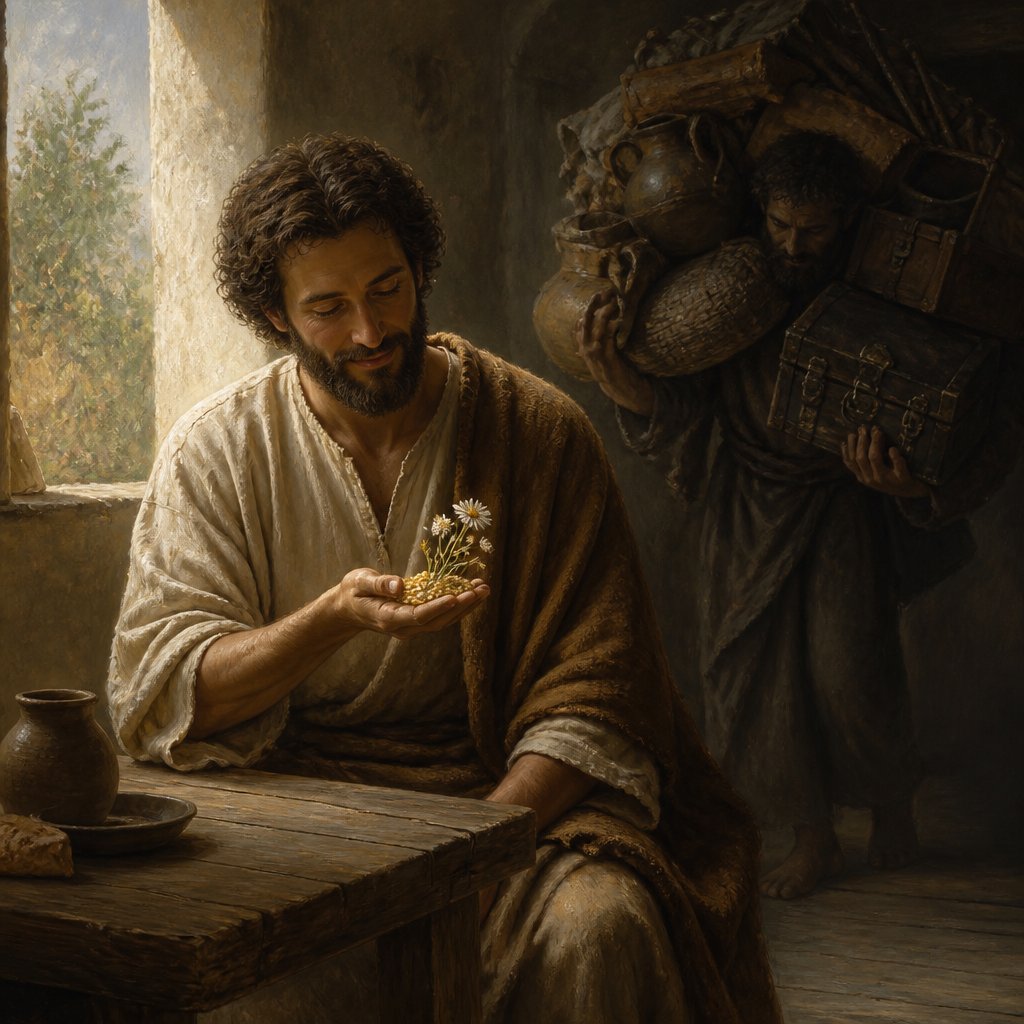
Ecclesiastes 4:6 from the King James Version of the Bible reads, "Better is an handful with quietness, than both the hands full with travail and vexation of spirit." This verse is part of the wisdom literature in the Old Testament and is attributed to King Solomon, who is traditionally considered the author of the Book of Ecclesiastes.
At its core, this verse speaks to the importance of finding contentment and peace in life, even if it means having less in terms of material possessions or worldly success. It contrasts the idea of having a handful with quietness, or having just enough and being at peace, with the concept of having both hands full with travail and vexation of spirit, representing the burdens and stress that come with striving for material wealth and success.
The themes present in this verse are contentment, wisdom, and the pursuit of true happiness. The author is emphasizing the idea that true fulfillment in life comes from finding peace and contentment, rather than constantly striving for more and being consumed by the stress and troubles that come with it. This aligns with the broader theme of the Book of Ecclesiastes, which explores the fleeting nature of worldly pursuits and the ultimate futility of striving for happiness through material possessions and external achievements.
The context of this verse is also important to consider. In the preceding verses, the author discusses the oppressive nature of toil and the dissatisfaction that comes from constant labor and striving. This sets the stage for the contrast presented in verse 6, where the author extols the value of quietness and contentment, even if it means having less in the way of material wealth and success.
The symbolism present in this verse lies in the imagery of the handful with quietness versus both hands full with travail and vexation of spirit. The handful with quietness represents a simple, peaceful life with just enough to meet one's needs. It symbolizes contentment, tranquility, and inner peace. On the other hand, the imagery of both hands full with travail and vexation of spirit represents the burden of excessive labor and the stress and worry that come with pursuing worldly success at all costs.
It's important to note that this verse does not advocate for laziness or a lack of ambition. Instead, it serves as a reminder to prioritize inner peace and contentment over the relentless pursuit of material gain and outward success. It encourages readers to reflect on what truly brings fulfillment and happiness in life and to consider the value of simplicity, tranquility, and inner peace.
In summary, Ecclesiastes 4:6 from the King James Version of the Bible offers a powerful message about the importance of finding contentment and peace in life. It contrasts the value of inner peace and quietness with the burdens and stress that come from excessive labor and the pursuit of worldly success. The verse encourages readers to prioritize inner peace and contentment over the relentless pursuit of material gain and outward success, and it serves as a poignant reminder of the ultimate futility of striving for happiness through external achievements.
Have questions about Ecclesiastes 4:6?
Dive deeper into this scripture with Bible Chat — an AI-powered tool for exploring God's Word through conversation. Ask questions, get context, and grow in your understanding of the Bible.
Get Our Apps


Ecclesiastes 4:6 Artwork

Ecclesiastes 4:6 - "Better is an handful with quietness, than both the hands full with travail and vexation of spirit."
"Better is an handful with quietness, than both the hands full with travail and vexation of spirit." - Ecclesiastes 4:6

Ecclesiastes 6:4 - "For he cometh in with vanity, and departeth in darkness, and his name shall be covered with darkness."
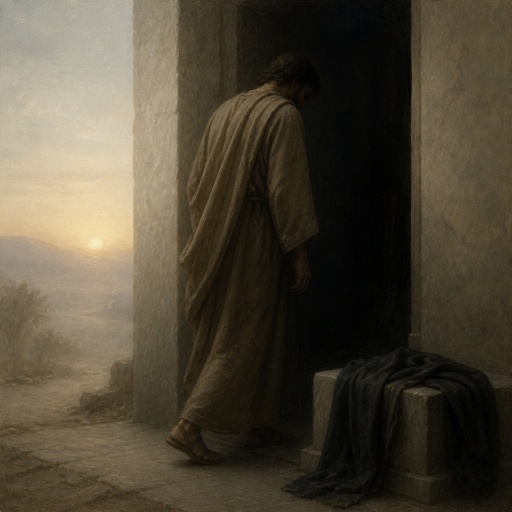
"For he cometh in with vanity, and departeth in darkness, and his name shall be covered with darkness." - Ecclesiastes 6:4

ecclesiastes 12:2-6

Ecclesiastes 10:6 - "Folly is set in great dignity, and the rich sit in low place."

Ecclesiastes 6:7 - "All the labour of man is for his mouth, and yet the appetite is not filled."

Ecclesiastes 4:7 - "Then I returned, and I saw vanity under the sun."

Ecclesiastes 3:6 - "A time to get, and a time to lose; a time to keep, and a time to cast away;"

Ecclesiastes 6:11 - "¶ Seeing there be many things that increase vanity, what is man the better?"

Ecclesiastes 3:4 - "A time to weep, and a time to laugh; a time to mourn, and a time to dance;"

Ecclesiastes 6:9 - "¶ Better is the sight of the eyes than the wandering of the desire: this is also vanity and vexation of spirit."

Ecclesiastes 6:1 - "There is an evil which I have seen under the sun, and it is common among men:"

Ecclesiastes 7:6 - "For as the crackling of thorns under a pot, so is the laughter of the fool: this also is vanity."

Ecclesiastes 4:4 - "¶ Again, I considered all travail, and every right work, that for this a man is envied of his neighbour. This is also vanity and vexation of spirit."

Ecclesiastes 7:4 - "The heart of the wise is in the house of mourning; but the heart of fools is in the house of mirth."

Ecclesiastes 4:5 - "The fool foldeth his hands together, and eateth his own flesh."

Ecclesiastes 8:6 - "¶ Because to every purpose there is time and judgment, therefore the misery of man is great upon him."

Ecclesiastes 6:6 - "¶ Yea, though he live a thousand years twice told, yet hath he seen no good: do not all go to one place?"

Ecclesiastes 4:9 - "¶ Two are better than one; because they have a good reward for their labour."

Ecclesiastes 1:4 - "One generation passeth away, and another generation cometh: but the earth abideth for ever."

Ecclesiastes 2:6 - "I made me pools of water, to water therewith the wood that bringeth forth trees:"

Ecclesiastes 11:4 - "He that observeth the wind shall not sow; and he that regardeth the clouds shall not reap."

Ecclesiastes 9:4 - "¶ For to him that is joined to all the living there is hope: for a living dog is better than a dead lion."

Ecclesiastes 4:13 - "¶ Better is a poor and a wise child than an old and foolish king, who will no more be admonished."

Ecclesiastes 4:11 - "Again, if two lie together, then they have heat: but how can one be warm alone?"

Ecclesiastes 8:4 - "Where the word of a king is, there is power: and who may say unto him, What doest thou?"

Ecclesiastes 4:12 - "And if one prevail against him, two shall withstand him; and a threefold cord is not quickly broken."

Ecclesiastes 12:6 - "Or ever the silver cord be loosed, or the golden bowl be broken, or the pitcher be broken at the fountain, or the wheel broken at the cistern."

Ecclesiastes 6:8 - "For what hath the wise more than the fool? what hath the poor, that knoweth to walk before the living?"