What does Ecclesiastes 4:2 mean?
"Wherefore I praised the dead which are already dead more than the living which are yet alive." - Ecclesiastes 4:2
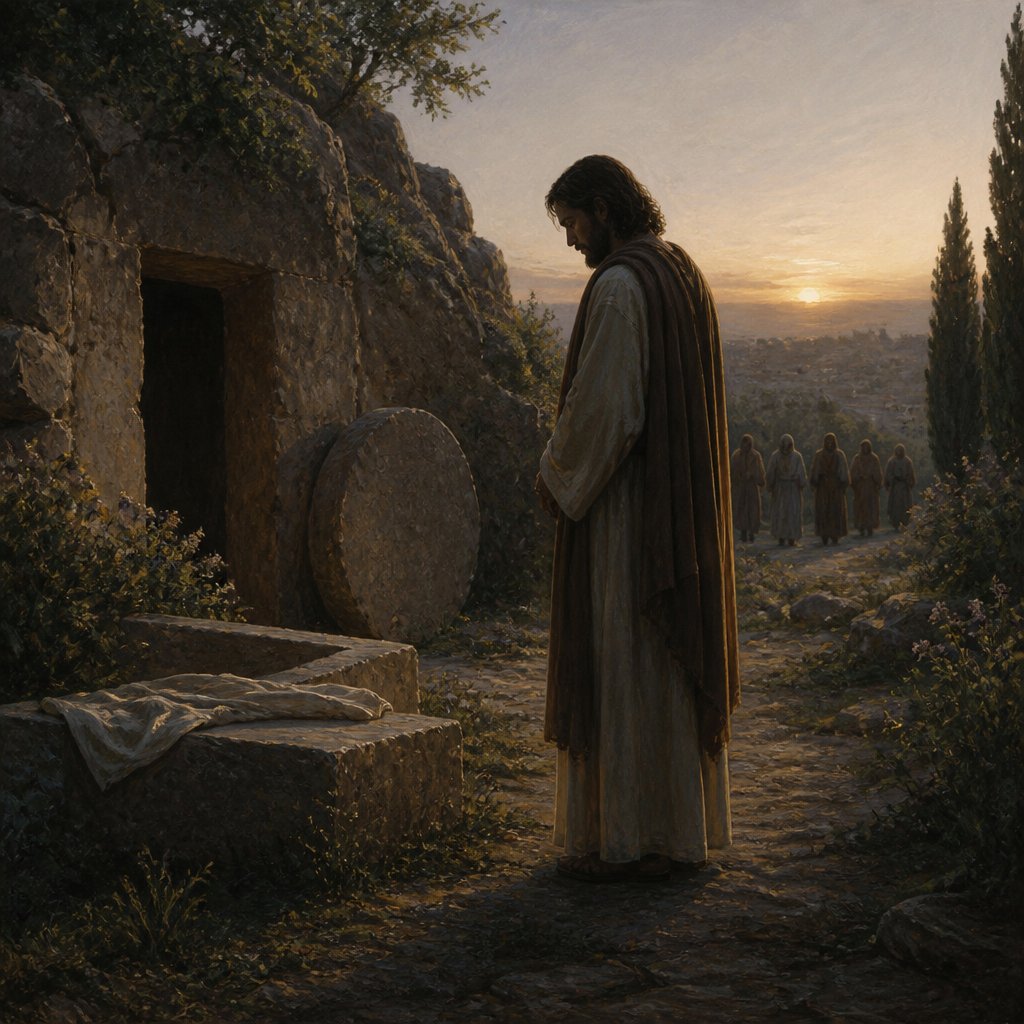
Ecclesiastes 4:2 from the King James Version (KJV) of the Bible reads, "Wherefore I praised the dead which are already dead more than the living which are yet alive."
The Book of Ecclesiastes is traditionally attributed to King Solomon, and it offers a philosophical meditation on the meaning of life, the nature of wisdom, and the fleeting nature of earthly pursuits. This particular verse is part of a passage that reflects on the oppression and suffering in the world, contemplating the value of life and the fate of the dead.
The theme of this verse revolves around the idea of the desirability of death over life, highlighting the suffering and oppression that can be found in the world. The speaker in this verse seems to be expressing a preference for the dead over the living, lamenting the struggles and hardships faced by those who are still alive.
In the context of the larger passage, the speaker observes and reflects on the various injustices and hardships that are prevalent in the world. They consider the oppression of the poor, the powerlessness of the oppressed, and the suffering experienced by those who are alive. In light of this, the speaker extols the peace and rest that is found in death, suggesting that the dead are in a better state than the living.
The symbolism in this verse is potent, as it touches on the universal human experience of suffering and the longing for relief from that suffering. The preference for the dead over the living symbolizes a deep disillusionment with the hardships of life, and a yearning for rest and peace that seems unattainable in this world.
It is important to note that this verse should not be taken as an endorsement of death or suicide, but rather as a stark and honest reflection on the struggles and injustices that are part of the human experience. The speaker is wrestling with the difficulty of life and the seeming futility of earthly existence in the face of suffering and oppression.
This verse also serves as a reminder of the impermanence of life and the inevitability of death. It prompts the reader to consider the brevity and fragility of life, and to reflect on the ultimate fate that awaits all humanity. This reflection can lead to a deeper appreciation for the preciousness of life, and a recognition of the need to alleviate the suffering of those who are oppressed and marginalized.
In the larger context of the Book of Ecclesiastes, this verse adds to the complex and nuanced exploration of the human condition. It acknowledges the reality of suffering and injustice, while also urging the reader to seek wisdom and enjoyment in the midst of life's challenges. The book ultimately points to the importance of trusting in God and finding meaning and purpose in living a virtuous and righteous life, despite the difficulties that may be encountered.
In conclusion, Ecclesiastes 4:2 from the King James Version of the Bible offers a profound reflection on the nature of suffering, the brevity of life, and the longing for peace and rest. It serves as a poignant reminder of the universal human experience of hardship and disillusionment, while also prompting the reader to seek wisdom and purpose in the face of life's challenges. This verse ultimately points to the importance of finding meaning and fulfillment in life, even in the midst of suffering, and of trusting in God's ultimate sovereignty and justice.
Have questions about Ecclesiastes 4:2?
Dive deeper into this scripture with Bible Chat — an AI-powered tool for exploring God's Word through conversation. Ask questions, get context, and grow in your understanding of the Bible.
Get Our Apps


Ecclesiastes 4:2 Artwork

Ecclesiastes 4:2 - "Wherefore I praised the dead which are already dead more than the living which are yet alive."
"Wherefore I praised the dead which are already dead more than the living which are yet alive." - Ecclesiastes 4:2

Ecclesiastes 2:4 - "I made me great works; I builded me houses; I planted me vineyards:"

Ecclesiastes 4:7 - "Then I returned, and I saw vanity under the sun."

Ecclesiastes 3:4 - "A time to weep, and a time to laugh; a time to mourn, and a time to dance;"

Ecclesiastes 4:4 - "¶ Again, I considered all travail, and every right work, that for this a man is envied of his neighbour. This is also vanity and vexation of spirit."

Ecclesiastes 7:4 - "The heart of the wise is in the house of mourning; but the heart of fools is in the house of mirth."

Ecclesiastes 4:5 - "The fool foldeth his hands together, and eateth his own flesh."
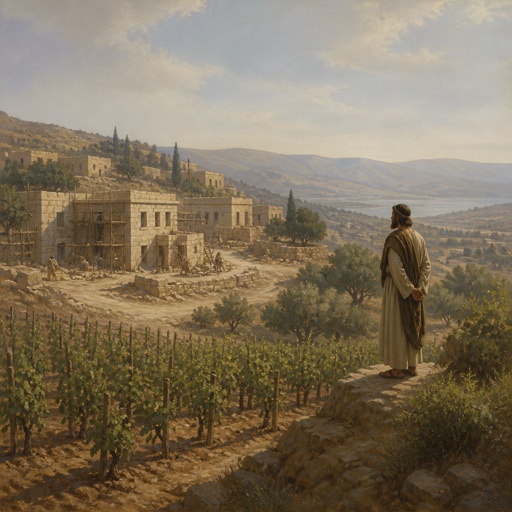
"I made me great works; I builded me houses; I planted me vineyards:" - Ecclesiastes 2:4

Ecclesiastes 2:2 - "I said of laughter, It is mad: and of mirth, What doeth it?"

Ecclesiastes 4:9 - "¶ Two are better than one; because they have a good reward for their labour."

Ecclesiastes 6:4 - "For he cometh in with vanity, and departeth in darkness, and his name shall be covered with darkness."

Ecclesiastes 1:4 - "One generation passeth away, and another generation cometh: but the earth abideth for ever."

ecclesiastes 12:2-6

Ecclesiastes 4:6 - "Better is an handful with quietness, than both the hands full with travail and vexation of spirit."

Ecclesiastes 11:4 - "He that observeth the wind shall not sow; and he that regardeth the clouds shall not reap."

Ecclesiastes 9:4 - "¶ For to him that is joined to all the living there is hope: for a living dog is better than a dead lion."

Ecclesiastes 4:13 - "¶ Better is a poor and a wise child than an old and foolish king, who will no more be admonished."

Ecclesiastes 4:11 - "Again, if two lie together, then they have heat: but how can one be warm alone?"

Ecclesiastes 8:4 - "Where the word of a king is, there is power: and who may say unto him, What doest thou?"

Ecclesiastes 4:12 - "And if one prevail against him, two shall withstand him; and a threefold cord is not quickly broken."

Ecclesiastes 4:14 - "For out of prison he cometh to reign; whereas also he that is born in his kingdom becometh poor."

Ecclesiastes 10:4 - "If the spirit of the ruler rise up against thee, leave not thy place; for yielding pacifieth great offences."

Ecclesiastes 1:2 - "Vanity of vanities, saith the Preacher, vanity of vanities; all is vanity."

Ecclesiastes 4:15 - "I considered all the living which walk under the sun, with the second child that shall stand up in his stead."

Ecclesiastes 2:13 - "Then I saw that wisdom excelleth folly, as far as light excelleth darkness."

Ecclesiastes 8:2 - "I counsel thee to keep the king's commandment, and that in regard of the oath of God."

Ecclesiastes 4:3 - "Yea, better is he than both they, which hath not yet been, who hath not seen the evil work that is done under the sun."

"Then I returned, and I saw vanity under the sun." - Ecclesiastes 4:7

Ecclesiastes 3:2 - "A time to be born, and a time to die; a time to plant, and a time to pluck up that which is planted;"