What does Ecclesiastes 3:21 mean?
"Who knoweth the spirit of man that goeth upward, and the spirit of the beast that goeth downward to the earth?" - Ecclesiastes 3:21
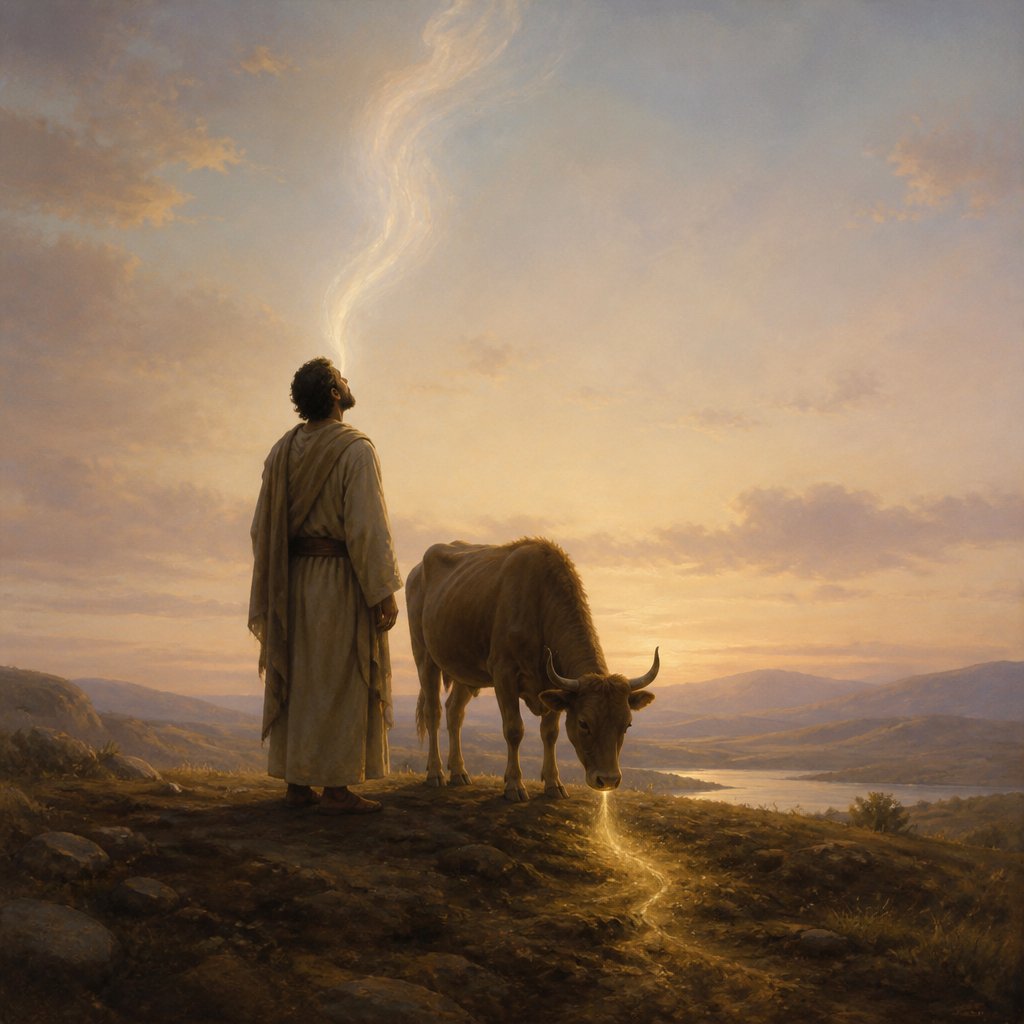
The verse Ecclesiastes 3:21 from the King James Version (KJV) of the Bible reads, "Who knoweth the spirit of man that goeth upward, and the spirit of the beast that goeth downward to the earth?" This verse is a thought-provoking statement on the nature of life and death, and it has been the subject of much interpretation and commentary throughout history.
The book of Ecclesiastes, from which this verse is taken, is traditionally attributed to King Solomon, the wisest and wealthiest king of Israel. The book is known for its reflection on the meaning of life and the pursuit of wisdom, and it explores deep philosophical questions about the existence of God, the nature of time, and the human condition. The verse in question is part of a larger passage in which the author reflects on the fate of humans and animals after death. It is within this broader context that we can begin to unpack the meaning and significance of Ecclesiastes 3:21.
At its core, Ecclesiastes 3:21 confronts the enigma of life and death, particularly the dichotomy between the spirits of humans and animals. The verse poses a rhetorical question, asking who truly comprehends what happens to the spirit of a person and the spirit of a beast after they die. This inquiry is emblematic of the broader theme of human mortality and the inscrutable nature of what happens after death, an enduring question that has fascinated and perplexed theologians, philosophers, and scholars for centuries.
The idea that the human spirit "goeth upward" while the spirit of the beast "goeth downward to the earth" suggests a fundamental distinction between the destinies of humans and animals in the afterlife. The ascent of the human spirit is often interpreted as an allusion to the belief in an eternal soul that transcends the earthly realm and ascends to a higher plane of existence, whether that be interpreted as heaven, paradise, or spiritual union with God. Conversely, the descent of the beast's spirit "to the earth" conveys the notion of an earthly, temporal existence without the promise of an afterlife. This dichotomy underscores the unique position of humans as spiritual beings with an eternal destiny, which is a recurring theme in Judeo-Christian theology.
In addition to addressing the existential question of life after death, Ecclesiastes 3:21 also invites reflection on the nature of life and consciousness. The passage raises the question of what sets humans apart from animals, suggesting that there is a spiritual dimension to humanity that distinguishes it from the natural world. This distinction aligns with the biblical narrative of humans being created in the image of God and imbued with a divine spark, a belief that has profound implications for the ethical treatment of humans and animals alike.
Symbolically, the upward and downward movements of the spirits in Ecclesiastes 3:21 represent a duality of existence – the tension between the material and the spiritual, the mortal and the immortal, the transient and the eternal. This duality is a recurrent theme throughout Ecclesiastes, reflecting the author's contemplation of the transient nature of human life and the pursuit of enduring significance in a world characterized by impermanence.
In the broader context of Ecclesiastes, this verse contributes to the book's overarching message about the fleeting nature of earthly pursuits and the futility of human endeavors. It underscores the inevitability of mortality and the limitations of human understanding in the face of life's mysteries. The verse serves as a poignant reminder of the ultimate inscrutability of the divine and the necessity of humility in the midst of life's uncertainties.
In conclusion, Ecclesiastes 3:21 from the King James Version of the Bible encapsulates profound reflections on the enigma of life and death, the spiritual nature of humanity, and the transcendent significance of human existence. Its existential inquiry and symbolic resonance make it a verse that continues to captivate and provoke contemplation, inviting readers to grapple with the enduring questions of human existence and the mysteries of the afterlife.
Have questions about Ecclesiastes 3:21?
Dive deeper into this scripture with Bible Chat — an AI-powered tool for exploring God's Word through conversation. Ask questions, get context, and grow in your understanding of the Bible.
Get Our Apps


Ecclesiastes 3:21 Artwork

Ecclesiastes 3:21 - "Who knoweth the spirit of man that goeth upward, and the spirit of the beast that goeth downward to the earth?"
"Who knoweth the spirit of man that goeth upward, and the spirit of the beast that goeth downward to the earth?" - Ecclesiastes 3:21

Ecclesiastes 3:1

Ecclesiastes 3:3 - "A time to kill, and a time to heal; a time to break down, and a time to build up;"

Ecclesiastes 3:7-8

Ecclesiastes 3:1 – "There is a time for everything, and a season for every activity under the heavens."

Ecclesiastes 3:1 - "To every thing there is a season, and a time to every purpose under the heaven:"

Ecclesiastes 3:9 - "What profit hath he that worketh in that wherein he laboureth?"

Ecclesiastes 3:4 - "A time to weep, and a time to laugh; a time to mourn, and a time to dance;"

Ecclesiastes 3:8 - "A time to love, and a time to hate; a time of war, and a time of peace."

Ecclesiastes 7:21 - "Also take no heed unto all words that are spoken; lest thou hear thy servant curse thee:"

Ecclesiastes 3:6 - "A time to get, and a time to lose; a time to keep, and a time to cast away;"

Ecclesiastes 7:3 - "Sorrow is better than laughter: for by the sadness of the countenance the heart is made better."

Ecclesiastes 3:7 - "A time to rend, and a time to sew; a time to keep silence, and a time to speak;"

Ecclesiastes 3:2 - "A time to be born, and a time to die; a time to plant, and a time to pluck up that which is planted;"

Ecclesiastes 3:16 - "¶ And moreover I saw under the sun the place of judgment, that wickedness was there; and the place of righteousness, that iniquity was there."

Ecclesiastes 3:20 - "All go unto one place; all are of the dust, and all turn to dust again."

Ecclesiastes 3:12 - "I know that there is no good in them, but for a man to rejoice, and to do good in his life."

Ecclesiastes 5:3 - "For a dream cometh through the multitude of business; and a fool's voice is known by multitude of words."

Ecclesiastes 1:3 - "What profit hath a man of all his labour which he taketh under the sun?"

Ecclesiastes 3:15 - "That which hath been is now; and that which is to be hath already been; and God requireth that which is past."

Ecclesiastes 3:10 - "I have seen the travail, which God hath given to the sons of men to be exercised in it."

Ecclesiastes 3:13 - "And also that every man should eat and drink, and enjoy the good of all his labour, it is the gift of God."

Ecclesiastes 3:1 – "There is a time for everything, and a season for every activity under the heavens." r

Ecclesiastes 2:21 - "For there is a man whose labour is in wisdom, and in knowledge, and in equity; yet to a man that hath not laboured therein shall he leave it for his portion. This also is vanity and a great evil."

Ecclesiastes 3:17 - "I said in mine heart, God shall judge the righteous and the wicked: for there is a time there for every purpose and for every work."

Ecclesiastes 3:5 - "A time to cast away stones, and a time to gather stones together; a time to embrace, and a time to refrain from embracing;"

Ecclesiastes 8:3 - "Be not hasty to go out of his sight: stand not in an evil thing; for he doeth whatsoever pleaseth him."
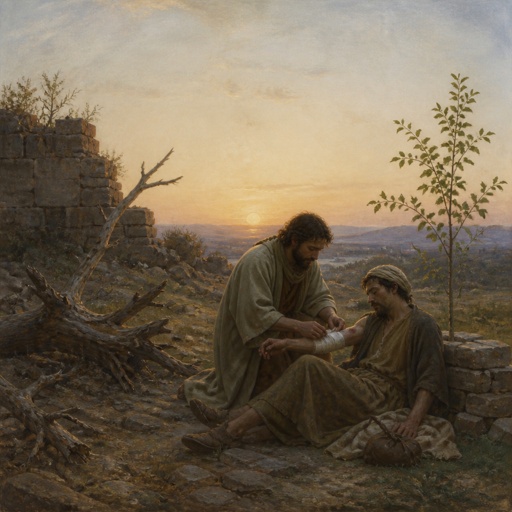
"A time to kill, and a time to heal; a time to break down, and a time to build up;" - Ecclesiastes 3:3

Ecclesiastes 3:18 - "I said in mine heart concerning the estate of the sons of men, that God might manifest them, and that they might see that they themselves are beasts."