What does Ecclesiastes 2:4 mean?
"I made me great works; I builded me houses; I planted me vineyards:" - Ecclesiastes 2:4
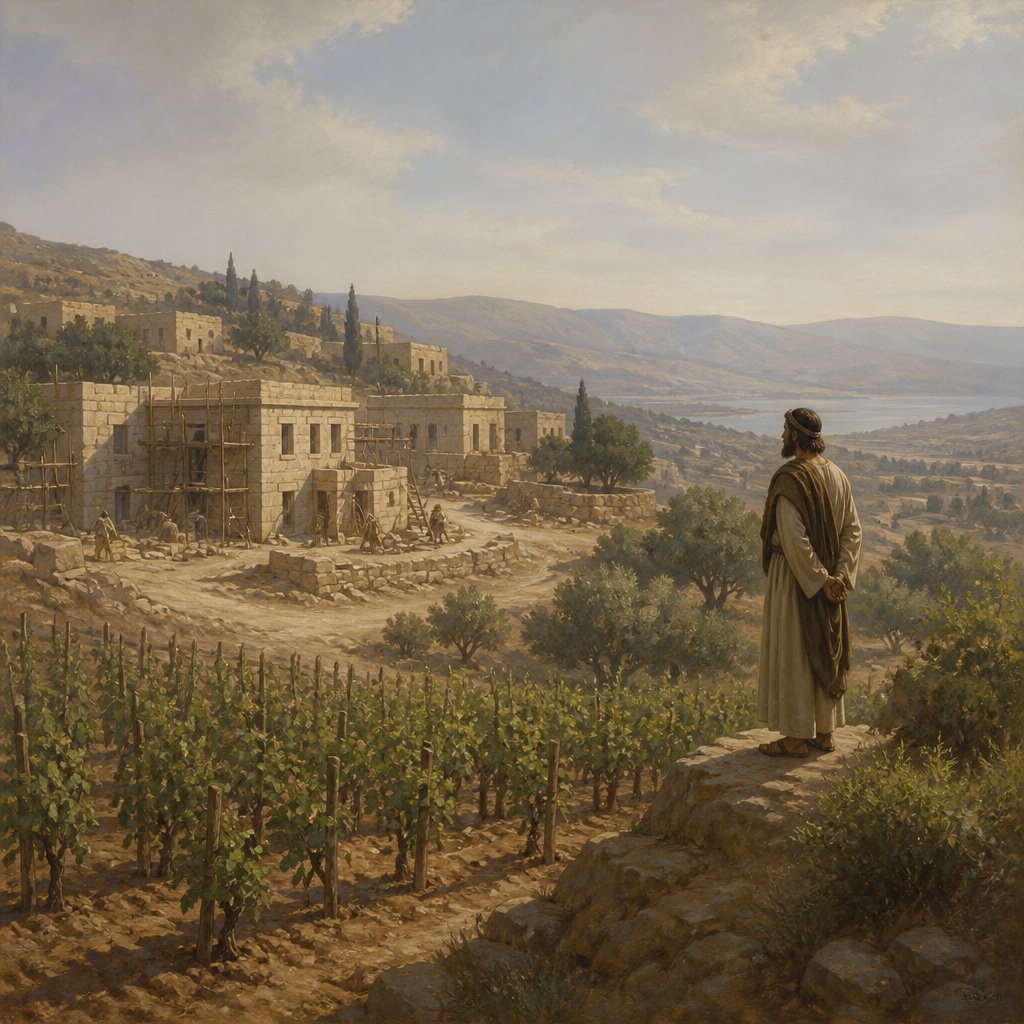
Ecclesiastes 2:4 (KJV) - "I made me great works; I builded me houses; I planted me vineyards"
The book of Ecclesiastes is often attributed to King Solomon, who is considered one of the wisest men in the Bible. The verse Ecclesiastes 2:4 reflects Solomon's recounting of his pursuit of pleasure and material possessions in an attempt to find meaning and fulfillment in life. The verse serves as a reflection of the human desire for accomplishment and the pursuit of worldly pleasures.
The phrase "I made me great works" speaks to the numerous and impressive feats that Solomon undertook during his reign. He was known for building the grand Temple in Jerusalem, as well as numerous other impressive structures. In addition to these great works, Solomon also indulged in the creation of extravagant gardens and vineyards, as reflected in the phrases "I builded me houses; I planted me vineyards". These actions demonstrate his focus on material wealth and the pursuit of worldly pleasures.
The broader context of the book of Ecclesiastes reveals that despite Solomon's accomplishments and pursuits, he ultimately found them to be meaningless. This verse serves as an introduction to his exploration of the futility of seeking fulfillment in the things of this world. Throughout the book, he expresses the idea that all of these worldly pursuits are "vanity" or meaningless in the grand scheme of life.
The themes present in Ecclesiastes 2:4 echo throughout the book and continue to resonate with readers today. The pursuit of material possessions, success, and pleasure is a common aspect of human nature, and Solomon's experience serves as a cautionary tale for those who place their ultimate hopes and desires in these things.
The symbolism in this verse lies in the contrast between the outward appearance of wealth and success, and the emptiness and lack of fulfillment felt by Solomon. The "great works" and "houses" symbolize the pursuit of material wealth and success, while the "vineyards" symbolizes pleasure and enjoyment. However, the intended message is that despite accruing these things, they ultimately fail to provide the true meaning and purpose that Solomon sought.
The verse also serves as a reminder of the transient and fleeting nature of worldly pursuits. Houses can decay, great works can be forgotten, and vineyards can wither. Solomon's pursuits, though grand in nature, were ultimately unable to provide the lasting fulfillment and satisfaction that he desired.
In conclusion, Ecclesiastes 2:4 provides a poignant reflection on the futility of pursuing material possessions and worldly pleasures as a means of finding true fulfillment. Solomon's pursuits and accomplishments are a cautionary tale, reminding readers that the pursuit of earthly treasures will ultimately leave one feeling empty and unfulfilled. The verse continues to serve as a timeless reminder of the importance of seeking meaning and purpose in things beyond the material world.
Have questions about Ecclesiastes 2:4?
Dive deeper into this scripture with Bible Chat — an AI-powered tool for exploring God's Word through conversation. Ask questions, get context, and grow in your understanding of the Bible.
Get Our Apps


Ecclesiastes 2:4 Artwork

Ecclesiastes 2:4 - "I made me great works; I builded me houses; I planted me vineyards:"
"I made me great works; I builded me houses; I planted me vineyards:" - Ecclesiastes 2:4

Ecclesiastes 4:2 - "Wherefore I praised the dead which are already dead more than the living which are yet alive."

Ecclesiastes 4:7 - "Then I returned, and I saw vanity under the sun."

Ecclesiastes 3:4 - "A time to weep, and a time to laugh; a time to mourn, and a time to dance;"

Ecclesiastes 4:4 - "¶ Again, I considered all travail, and every right work, that for this a man is envied of his neighbour. This is also vanity and vexation of spirit."

Ecclesiastes 7:4 - "The heart of the wise is in the house of mourning; but the heart of fools is in the house of mirth."

Ecclesiastes 4:5 - "The fool foldeth his hands together, and eateth his own flesh."

Ecclesiastes 2:2 - "I said of laughter, It is mad: and of mirth, What doeth it?"

Ecclesiastes 4:9 - "¶ Two are better than one; because they have a good reward for their labour."

Ecclesiastes 6:4 - "For he cometh in with vanity, and departeth in darkness, and his name shall be covered with darkness."

Ecclesiastes 1:4 - "One generation passeth away, and another generation cometh: but the earth abideth for ever."
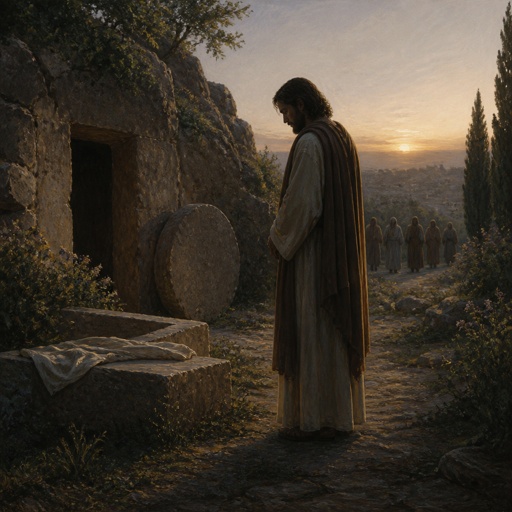
"Wherefore I praised the dead which are already dead more than the living which are yet alive." - Ecclesiastes 4:2

ecclesiastes 12:2-6

Ecclesiastes 4:6 - "Better is an handful with quietness, than both the hands full with travail and vexation of spirit."

Ecclesiastes 11:4 - "He that observeth the wind shall not sow; and he that regardeth the clouds shall not reap."

Ecclesiastes 9:4 - "¶ For to him that is joined to all the living there is hope: for a living dog is better than a dead lion."

Ecclesiastes 4:13 - "¶ Better is a poor and a wise child than an old and foolish king, who will no more be admonished."

Ecclesiastes 4:11 - "Again, if two lie together, then they have heat: but how can one be warm alone?"

Ecclesiastes 8:4 - "Where the word of a king is, there is power: and who may say unto him, What doest thou?"

Ecclesiastes 4:12 - "And if one prevail against him, two shall withstand him; and a threefold cord is not quickly broken."

Ecclesiastes 4:14 - "For out of prison he cometh to reign; whereas also he that is born in his kingdom becometh poor."

Ecclesiastes 10:4 - "If the spirit of the ruler rise up against thee, leave not thy place; for yielding pacifieth great offences."

Ecclesiastes 1:2 - "Vanity of vanities, saith the Preacher, vanity of vanities; all is vanity."

Ecclesiastes 4:15 - "I considered all the living which walk under the sun, with the second child that shall stand up in his stead."

Ecclesiastes 2:13 - "Then I saw that wisdom excelleth folly, as far as light excelleth darkness."

Ecclesiastes 8:2 - "I counsel thee to keep the king's commandment, and that in regard of the oath of God."

Ecclesiastes 4:3 - "Yea, better is he than both they, which hath not yet been, who hath not seen the evil work that is done under the sun."

"Then I returned, and I saw vanity under the sun." - Ecclesiastes 4:7

Ecclesiastes 3:2 - "A time to be born, and a time to die; a time to plant, and a time to pluck up that which is planted;"