What does Ecclesiastes 2:18 mean?
"¶ Yea, I hated all my labour which I had taken under the sun: because I should leave it unto the man that shall be after me." - Ecclesiastes 2:18
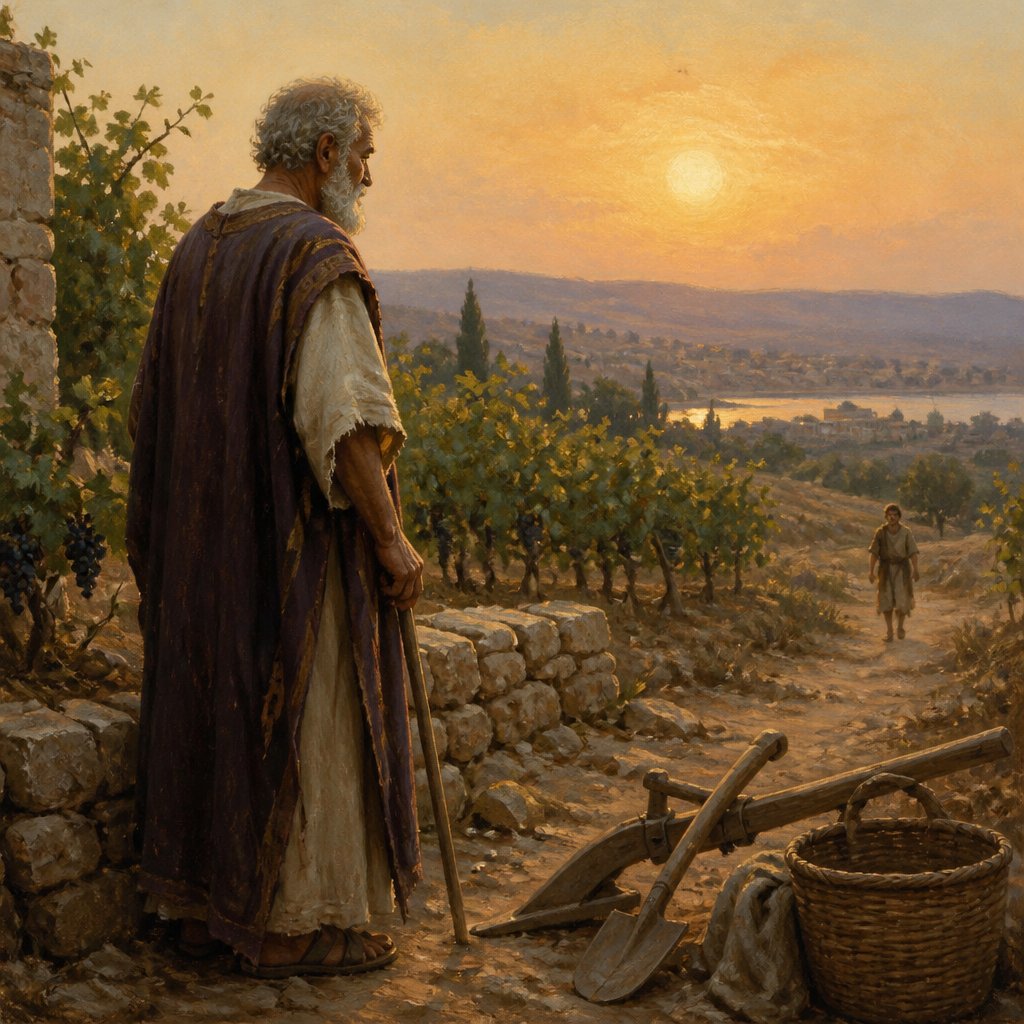
Ecclesiastes 2:18 from the King James Version of the Bible states, "Yea, I hated all my labour which I had taken under the sun: because I should leave it unto the man that shall be after me."
This verse comes from the Book of Ecclesiastes, which is traditionally attributed to King Solomon. The book is a reflection on the meaning of life, the pursuit of wisdom, and the futile nature of materialism and worldly pleasures. In this particular verse, the author expresses a sense of disillusionment and disappointment with the fruits of their labor, as they realize that they will eventually have to leave everything behind for someone else to inherit.
The verse begins with the declaration, "Yea, I hated all my labour," indicating a strong sense of distaste and dissatisfaction with the results of the author's efforts. The word "labour" here refers not only to physical work or toil, but also to the fruits of that labor - the possessions, achievements, and wealth that have been accumulated over time. This sentiment of disillusionment is a central theme in the Book of Ecclesiastes, where the author repeatedly emphasizes the fleeting nature of earthly pursuits and the ultimate emptiness of worldly success.
The phrase "under the sun" is significant here, as it reflects the author's perspective on life from a purely earthly and human standpoint. Throughout Ecclesiastes, the phrase is used to underscore the limited and transient nature of human existence, as opposed to the eternal and transcendent perspective of God. In this context, the author's disillusionment with their labor is rooted in the recognition of its ultimate insignificance in the grand scheme of things.
The verse continues with the reason for the author's dissatisfaction: "because I should leave it unto the man that shall be after me." Here, the author laments the fact that all their toil and accomplishments will eventually pass into the hands of someone else. This realization accentuates the the theme of futility and meaninglessness that permeates the Book of Ecclesiastes. No matter how much one accumulates or achieves in this life, it will all eventually be inherited by others, and ultimately it will be left behind entirely.
This verse also speaks to the universal experience of mortality and the transience of human life. It prompts reflection on the legacy that one leaves behind and the impermanence of earthly possessions. The author's sense of frustration and discontent with this reality resonates with many individuals who have grappled with the same existential questions and who have pondered the meaning of their own labor and accomplishments in the face of mortality.
From a broader theological perspective, this verse also serves as a reminder of the temporary nature of worldly pursuits and the importance of focusing on eternal values. It echoes the teachings of Jesus in the New Testament, who emphasized the importance of laying up treasures in heaven rather than on earth (Matthew 6:19-21). The verse ultimately points to the need for a deeper, more transcendent perspective that goes beyond the fleeting pleasures and possessions of this world.
In summary, Ecclesiastes 2:18 from the King James Version of the Bible encapsulates the disillusionment of the author with the temporary nature of their labor and possessions. It serves as a poignant reflection on the futility of earthly pursuits and the inevitability of mortality, prompting readers to consider the meaning of their own endeavors in light of these universal truths. Moreover, it invites contemplation on the eternal values that transcend the transient nature of this life, pointing towards a deeper and more enduring source of meaning and significance.
Have questions about Ecclesiastes 2:18?
Dive deeper into this scripture with Bible Chat — an AI-powered tool for exploring God's Word through conversation. Ask questions, get context, and grow in your understanding of the Bible.
Get Our Apps


Ecclesiastes 2:18 Artwork

Ecclesiastes 2:18 - "¶ Yea, I hated all my labour which I had taken under the sun: because I should leave it unto the man that shall be after me."
"¶ Yea, I hated all my labour which I had taken under the sun: because I should leave it unto the man that shall be after me." - Ecclesiastes 2:18

Ecclesiastes 1:18 - "For in much wisdom is much grief: and he that increaseth knowledge increaseth sorrow."

Ecclesiastes 10:18 - "¶ By much slothfulness the building decayeth; and through idleness of the hands the house droppeth through."

Ecclesiastes 9:18 - "Wisdom is better than weapons of war: but one sinner destroyeth much good."

Ecclesiastes 2:2 - "I said of laughter, It is mad: and of mirth, What doeth it?"

ecclesiastes 12:2-6

Ecclesiastes 3:18 - "I said in mine heart concerning the estate of the sons of men, that God might manifest them, and that they might see that they themselves are beasts."

Ecclesiastes 7:18 - "It is good that thou shouldest take hold of this; yea, also from this withdraw not thine hand: for he that feareth God shall come forth of them all."

Ecclesiastes 1:2 - "Vanity of vanities, saith the Preacher, vanity of vanities; all is vanity."

"For in much wisdom is much grief: and he that increaseth knowledge increaseth sorrow." - Ecclesiastes 1:18

Ecclesiastes 2:13 - "Then I saw that wisdom excelleth folly, as far as light excelleth darkness."

Ecclesiastes 8:2 - "I counsel thee to keep the king's commandment, and that in regard of the oath of God."

"¶ By much slothfulness the building decayeth; and through idleness of the hands the house droppeth through." - Ecclesiastes 10:18

"Wisdom is better than weapons of war: but one sinner destroyeth much good." - Ecclesiastes 9:18

Ecclesiastes 3:2 - "A time to be born, and a time to die; a time to plant, and a time to pluck up that which is planted;"

Ecclesiastes 2:25 - "For who can eat, or who else can hasten hereunto, more than I?"

Ecclesiastes 10:2 - "A wise man's heart is at his right hand; but a fool's heart at his left."

"I said of laughter, It is mad: and of mirth, What doeth it?" - Ecclesiastes 2:2

Ecclesiastes 2:5 - "I made me gardens and orchards, and I planted trees in them of all kind of fruits:"

Ecclesiastes 2:6 - "I made me pools of water, to water therewith the wood that bringeth forth trees:"

"While the sun, or the light, or the moon, or the stars, be not darkened, nor the clouds return after the rain:" - Ecclesiastes 12:2

Ecclesiastes 12:2 - "While the sun, or the light, or the moon, or the stars, be not darkened, nor the clouds return after the rain:"

Ecclesiastes 2:4 - "I made me great works; I builded me houses; I planted me vineyards:"

Ecclesiastes 4:2 - "Wherefore I praised the dead which are already dead more than the living which are yet alive."

Ecclesiastes 11:2 - "Give a portion to seven, and also to eight; for thou knowest not what evil shall be upon the earth."

Ecclesiastes 2:22 - "For what hath man of all his labour, and of the vexation of his heart, wherein he hath laboured under the sun?"

Ecclesiastes 2:20 - "Therefore I went about to cause my heart to despair of all the labour which I took under the sun."

Ecclesiastes 5:18 - "¶ Behold that which I have seen: it is good and comely for one to eat and to drink, and to enjoy the good of all his labour that he taketh under the sun all the days of his life, which God giveth him: for it is his portion."

Ecclesiastes 2:1 - "I said in mine heart, Go to now, I will prove thee with mirth, therefore enjoy pleasure: and, behold, this also is vanity."