What does Ecclesiastes 11:9 mean?
"¶ Rejoice, O young man, in thy youth; and let thy heart cheer thee in the days of thy youth, and walk in the ways of thine heart, and in the sight of thine eyes: but know thou, that for all these things God will bring thee into judgment." - Ecclesiastes 11:9
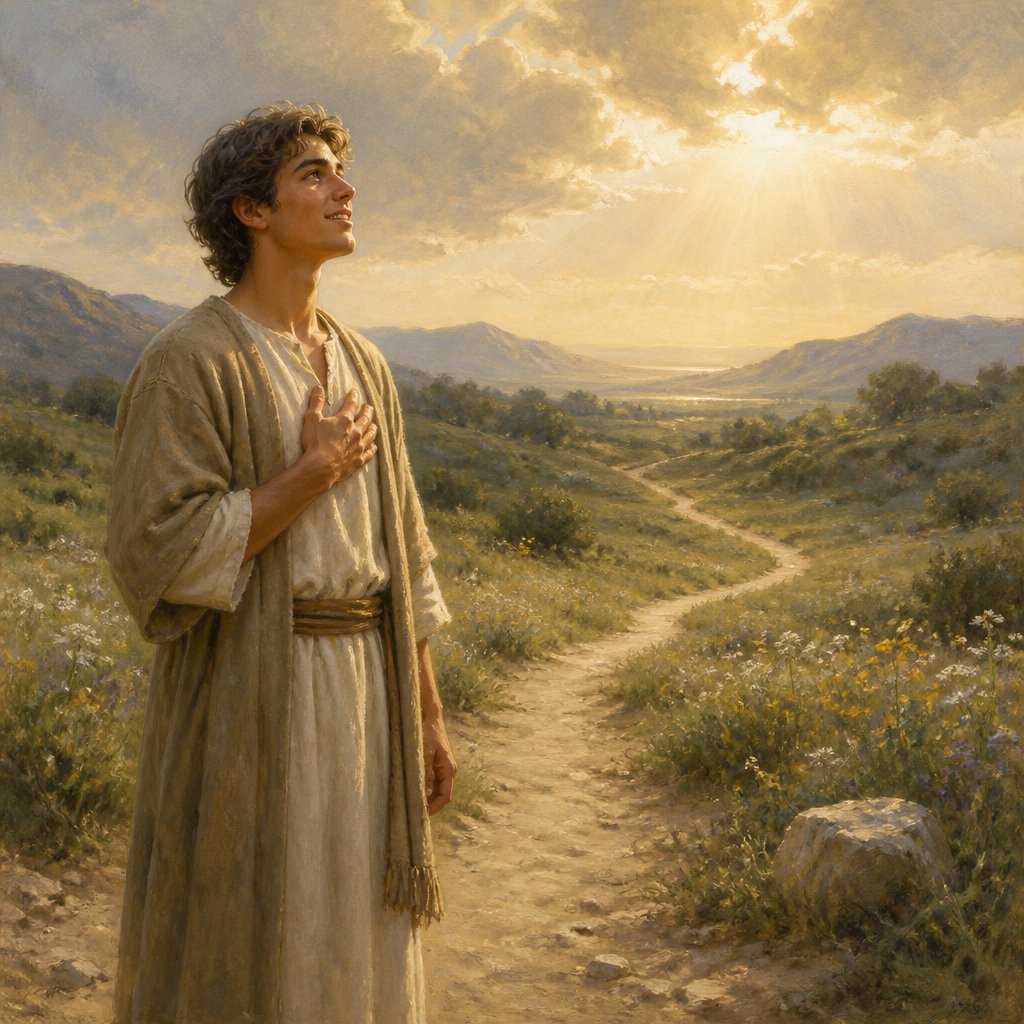
The Bible verse Ecclesiastes 11:9 from the King James Version (KJV) states, "Rejoice, O young man, in thy youth; and let thy heart cheer thee in the days of thy youth, and walk in the ways of thine heart, and in the sight of thine eyes: but know thou, that for all these things God will bring thee into judgment."
This verse is taken from the book of Ecclesiastes, which is often attributed to King Solomon, the wisest and wealthiest king of Israel. This book is known for its exploration of the meaning of life, the pursuit of wisdom, and the futility of human endeavors. In this particular verse, the author addresses young people, encouraging them to find joy and cheer in their youth, but also to be mindful of the consequences of their actions.
The theme of youth and joy is central to this verse. The author recognizes the vitality and exuberance of youth and encourages young people to embrace it. The call to "rejoice" and to let one's "heart cheer" speaks to the idea of finding happiness and fulfillment in the present moment. The imagery of youthful exuberance is meant to evoke a sense of vitality and energy, emphasizing the potential and excitement that comes with youth.
However, the author does not simply advocate for youthful indulgence and carefree living. The latter part of the verse contains a stark warning, reminding young people that their actions will ultimately be judged by God. This serves as a sobering reminder that while it is important to enjoy life, one must also be mindful of the consequences of their actions. The phrase, "God will bring thee into judgment," suggests that there is a higher power that holds individuals accountable for their choices and behaviors.
The juxtaposition of joy and accountability in this verse reflects the broader philosophical themes of Ecclesiastes. The book grapples with the existential questions of purpose, meaning, and the inevitability of death. In the context of this particular verse, the author is addressing the fleeting nature of youth and the transience of joy. While it is important to find happiness in the present, it is equally important to consider the long-term implications of one's actions.
The imagery of "walk in the ways of thine heart, and in the sight of thine eyes" suggests a sense of autonomy and self-expression. It encourages young people to follow their passions and desires, to pursue their dreams and aspirations. This emphasis on individual agency and personal fulfillment aligns with the broader themes of self-discovery and the pursuit of wisdom found throughout Ecclesiastes.
Furthermore, the verse also contains implicit symbolism. The heart and the eyes are often associated with desires, emotions, and the pursuit of pleasure. By referencing these bodily faculties, the author is highlighting the human inclination towards sensory experiences and the pursuit of personal fulfillment. The admonition to "walk in the ways of thine heart" can be interpreted as a call to follow one's authentic desires and passions, while the caveat of judgment from God reminds individuals to act with wisdom and discernment.
In conclusion, Ecclesiastes 11:9 from the King James Version offers a nuanced reflection on the complexities of youth, joy, and accountability. It encourages young people to embrace the vigor and exuberance of youth, while also reminding them to act with mindfulness and spiritual discernment. The verse serves as a poignant reminder of the balance between indulging in the present moment and considering the long-term consequences of one's actions. It is a timeless message that speaks to the human experience of navigating the fleeting nature of youth and the pursuit of purpose and meaning.
Have questions about Ecclesiastes 11:9?
Dive deeper into this scripture with Bible Chat — an AI-powered tool for exploring God's Word through conversation. Ask questions, get context, and grow in your understanding of the Bible.
Get Our Apps


Ecclesiastes 11:9 Artwork

Ecclesiastes 11:9 - "¶ Rejoice, O young man, in thy youth; and let thy heart cheer thee in the days of thy youth, and walk in the ways of thine heart, and in the sight of thine eyes: but know thou, that for all these things God will bring thee into judgment."
"¶ Rejoice, O young man, in thy youth; and let thy heart cheer thee in the days of thy youth, and walk in the ways of thine heart, and in the sight of thine eyes: but know thou, that for all these things God will bring thee into judgment." - Ecclesiastes 11:9

Ecclesiastes 1:11

Ecclesiastes 9:11 - "¶ I returned, and saw under the sun, that the race is not to the swift, nor the battle to the strong, neither yet bread to the wise, nor yet riches to men of understanding, nor yet favour to men of skill; but time and chance happeneth to them all."

Ecclesiastes 7:11 - "¶ Wisdom is good with an inheritance: and by it there is profit to them that see the sun."

Ecclesiastes 10:11 - "Surely the serpent will bite without enchantment; and a babbler is no better."

Ecclesiastes 3:9 - "What profit hath he that worketh in that wherein he laboureth?"

Ecclesiastes 7:9 - "Be not hasty in thy spirit to be angry: for anger resteth in the bosom of fools."

Ecclesiastes 11:7 - "¶ Truly the light is sweet, and a pleasant thing it is for the eyes to behold the sun:"

Ecclesiastes 6:11 - "¶ Seeing there be many things that increase vanity, what is man the better?"

Ecclesiastes 5:9 - "¶ Moreover the profit of the earth is for all: the king himself is served by the field."

Ecclesiastes 6:9 - "¶ Better is the sight of the eyes than the wandering of the desire: this is also vanity and vexation of spirit."

Ecclesiastes 4:9 - "¶ Two are better than one; because they have a good reward for their labour."

Ecclesiastes 11:1 - "Cast thy bread upon the waters: for thou shalt find it after many days."

Ecclesiastes 11:4 - "He that observeth the wind shall not sow; and he that regardeth the clouds shall not reap."

Ecclesiastes 9:4 - "¶ For to him that is joined to all the living there is hope: for a living dog is better than a dead lion."

Ecclesiastes 9:8 - "Let thy garments be always white; and let thy head lack no ointment."

Ecclesiastes 9:18 - "Wisdom is better than weapons of war: but one sinner destroyeth much good."

Ecclesiastes 12:11 - "The words of the wise are as goads, and as nails fastened by the masters of assemblies, which are given from one shepherd."

Ecclesiastes 4:11 - "Again, if two lie together, then they have heat: but how can one be warm alone?"

Ecclesiastes 9:13 - "¶ This wisdom have I seen also under the sun, and it seemed great unto me:"

Ecclesiastes 4:9-11 - "Two are better than one, because they have a good return for their labor: If either of them falls down, one can help the other up. But pity anyone who falls and has no one to help them up. Also, if two lie down together, they will keep warm. But how can one keep warm alone?"

Ecclesiastes 11:2 - "Give a portion to seven, and also to eight; for thou knowest not what evil shall be upon the earth."

Ecclesiastes 10:9 - "Whoso removeth stones shall be hurt therewith; and he that cleaveth wood shall be endangered thereby."

Ecclesiastes 9:17 - "The words of wise men are heard in quiet more than the cry of him that ruleth among fools."

Ecclesiastes 5:11 - "When goods increase, they are increased that eat them: and what good is there to the owners thereof, saving the beholding of them with their eyes?"

Ecclesiastes 1:11 - "There is no remembrance of former things; neither shall there be any remembrance of things that are to come with those that shall come after."

Ecclesiastes 1:9 - "The thing that hath been, it is that which shall be; and that which is done is that which shall be done: and there is no new thing under the sun."

Ecclesiastes 9:14 - "There was a little city, and few men within it; and there came a great king against it, and besieged it, and built great bulwarks against it:"

Ecclesiastes 9:16 - "Then said I, Wisdom is better than strength: nevertheless the poor man's wisdom is despised, and his words are not heard."