What does Ecclesiastes 10:17 mean?
"Blessed art thou, O land, when thy king is the son of nobles, and thy princes eat in due season, for strength, and not for drunkenness!" - Ecclesiastes 10:17
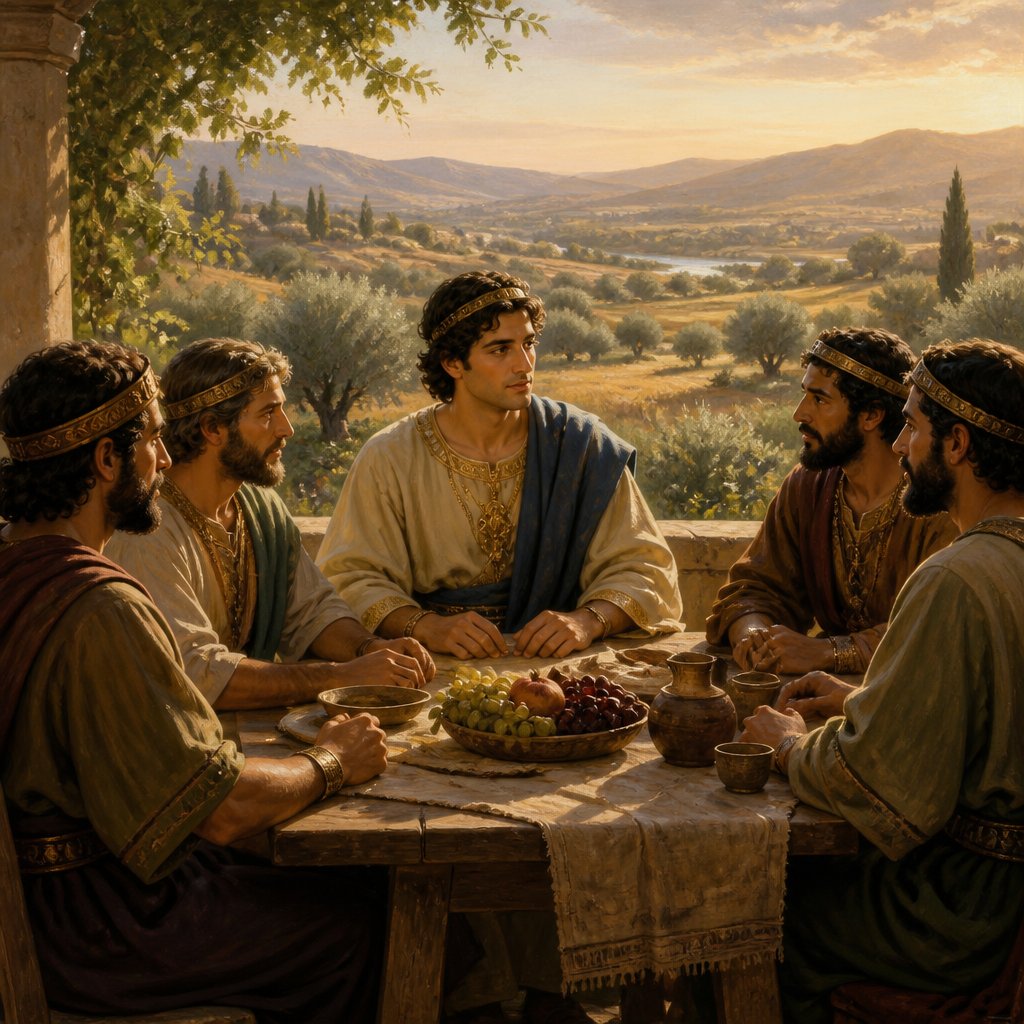
The Bible verse Ecclesiastes 10:17 in the King James Version (KJV) states, "Blessed art thou, O land, when thy king is the son of nobles, and thy princes eat in due season, for strength, and not for drunkenness." This verse from the book of Ecclesiastes contains wisdom about the qualities of effective leadership and the importance of righteous governance.
The book of Ecclesiastes is traditionally attributed to King Solomon, who is renowned for his wisdom. The verses in Ecclesiastes offer reflections on the meaning of life, the pursuit of wisdom, and the nature of human existence. In this particular verse, the focus is on the blessing of good leadership and the prosperity it brings to a nation.
The verse begins with the phrase "Blessed art thou, O land," indicating that the land is favored and blessed when it is under the rule of a wise and righteous king. The word "blessed" suggests that there is a divine favor and protection that comes with having a good leader. This sets the tone for the importance of strong leadership in ensuring the well-being and prosperity of a nation.
The verse goes on to describe the qualities of a good king, stating, "when thy king is the son of nobles." This phrase implies that a king who comes from a noble lineage, possessing wisdom and virtue, is a blessing to the land. It suggests that the lineage and character of the king are significant factors in the well-being of the nation. The idea of a king being the "son of nobles" also conveys the importance of a leader who is raised with a sense of responsibility, integrity, and a commitment to the welfare of his people.
The verse then shifts its focus to the behavior of the princes, stating, "and thy princes eat in due season, for strength, and not for drunkenness." This part of the verse emphasizes the importance of moderation and self-control among those in positions of authority. The mention of eating "in due season, for strength," suggests that the princes should partake in their sustenance in a balanced and disciplined manner, ensuring their physical well-being and capability to fulfill their duties. On the other hand, the warning against eating for "drunkenness" speaks to the dangers of excess and indulgence, particularly for those in positions of power.
Symbolically, this verse can also be understood as a representation of the ideal traits of effective leadership. The king and princes mentioned in the verse serve as symbols of authority and governance, and their actions reflect the qualities that contribute to the prosperity of a nation. The verse underscores the significance of integrity, virtue, and self-discipline in leadership, as well as the need for leaders to prioritize the welfare and strength of their nation.
In a broader context, Ecclesiastes 10:17 can be seen as a reminder of the profound impact that leadership has on the well-being of society. It emphasizes the responsibility of those in positions of authority to govern with wisdom, integrity, and self-restraint for the benefit of the people they serve. The verse also highlights the connection between moral leadership and the flourishing of a nation, affirming the timeless truth that righteous governance is a blessing to all.
In conclusion, Ecclesiastes 10:17 from the King James Version offers valuable insights into the qualities of effective leadership and the blessing that comes with righteous governance. It speaks to the importance of wise and virtuous rulers, as well as the significance of moderation and self-discipline among those in positions of authority. The verse serves as a timeless reminder of the profound impact that leadership has on the well-being of a nation, conveying the enduring truth that good leadership is a source of blessing and prosperity.
Have questions about Ecclesiastes 10:17?
Dive deeper into this scripture with Bible Chat — an AI-powered tool for exploring God's Word through conversation. Ask questions, get context, and grow in your understanding of the Bible.
Get Our Apps


Ecclesiastes 10:17 Artwork

Ecclesiastes 10:17 - "Blessed art thou, O land, when thy king is the son of nobles, and thy princes eat in due season, for strength, and not for drunkenness!"
"Blessed art thou, O land, when thy king is the son of nobles, and thy princes eat in due season, for strength, and not for drunkenness!" - Ecclesiastes 10:17

Ecclesiastes 10:10 - "If the iron be blunt, and he do not whet the edge, then must he put to more strength: but wisdom is profitable to direct."

Ecclesiastes 10:6 - "Folly is set in great dignity, and the rich sit in low place."

Ecclesiastes 10:11 - "Surely the serpent will bite without enchantment; and a babbler is no better."

Ecclesiastes 7:17 - "Be not over much wicked, neither be thou foolish: why shouldest thou die before thy time?"

Ecclesiastes 9:17 - "The words of wise men are heard in quiet more than the cry of him that ruleth among fools."

Ecclesiastes 10:18 - "¶ By much slothfulness the building decayeth; and through idleness of the hands the house droppeth through."

Ecclesiastes 10:19 - "¶ A feast is made for laughter, and wine maketh merry: but money answereth all things."

Ecclesiastes 3:17 - "I said in mine heart, God shall judge the righteous and the wicked: for there is a time there for every purpose and for every work."

Ecclesiastes 5:17 - "All his days also he eateth in darkness, and he hath much sorrow and wrath with his sickness."

Ecclesiastes 10:12 - "The words of a wise man's mouth are gracious; but the lips of a fool will swallow up himself."

Ecclesiastes 10:13 - "The beginning of the words of his mouth is foolishness: and the end of his talk is mischievous madness."

Ecclesiastes 10:2 - "A wise man's heart is at his right hand; but a fool's heart at his left."

Ecclesiastes 1:17 - "And I gave my heart to know wisdom, and to know madness and folly: I perceived that this also is vexation of spirit."

Ecclesiastes 10:5 - "There is an evil which I have seen under the sun, as an error which proceedeth from the ruler:"

Ecclesiastes 12:10 - "The preacher sought to find out acceptable words: and that which was written was upright, even words of truth."

Ecclesiastes 10:15 - "The labour of the foolish wearieth every one of them, because he knoweth not how to go to the city."

Ecclesiastes 10:7 - "I have seen servants upon horses, and princes walking as servants upon the earth."

Ecclesiastes 3:10 - "I have seen the travail, which God hath given to the sons of men to be exercised in it."

Ecclesiastes 5:10 - "He that loveth silver shall not be satisfied with silver; nor he that loveth abundance with increase: this is also vanity."

Ecclesiastes 10:16 - "¶ Woe to thee, O land, when thy king is a child, and thy princes eat in the morning!"

Ecclesiastes 10:8 - "He that diggeth a pit shall fall into it; and whoso breaketh an hedge, a serpent shall bite him."

Ecclesiastes 10:9 - "Whoso removeth stones shall be hurt therewith; and he that cleaveth wood shall be endangered thereby."

Ecclesiastes 2:17 - "Therefore I hated life; because the work that is wrought under the sun is grievous unto me: for all is vanity and vexation of spirit."

Ecclesiastes 10:4 - "If the spirit of the ruler rise up against thee, leave not thy place; for yielding pacifieth great offences."

Ecclesiastes 1:10 - "Is there any thing whereof it may be said, See, this is new? it hath been already of old time, which was before us."

Ecclesiastes 7:10 - "Say not thou, What is the cause that the former days were better than these? for thou dost not enquire wisely concerning this."

"Surely the serpent will bite without enchantment; and a babbler is no better." - Ecclesiastes 10:11

Ecclesiastes 11:10 - "Therefore remove sorrow from thy heart, and put away evil from thy flesh: for childhood and youth are vanity."