What does Ecclesiastes 10:14 mean?
"A fool also is full of words: a man cannot tell what shall be; and what shall be after him, who can tell him?" - Ecclesiastes 10:14
Ecclesiastes 10:14 (KJV) states, "A fool also is full of words: a man cannot tell what shall be; and what shall be after him, who can tell him?" This verse is located within the book of Ecclesiastes, which is traditionally attributed to King Solomon, the son of David. The book is sometimes considered one of the wisdom books of the Old Testament and is known for its reflections on the meaning and purpose of life, as well as the nature of wisdom and folly.
In this particular verse, the author is highlighting the foolishness of someone who is overly talkative and quick to speak without considering the consequences of their words. The "fool" is described as being "full of words," which implies a lack of discretion and wisdom in their speech. This can lead to careless or thoughtless words that have the potential to cause harm or misunderstanding. The verse then poses a rhetorical question, emphasizing the uncertainty of the future and the inability of anyone to accurately predict what will happen. This serves to highlight the futility of the fool's excessive chatter and the lack of real substance or wisdom in their words.
The broader context of Ecclesiastes provides further insight into the themes present in this verse. Throughout the book, the author grapples with the idea of life's fleeting nature and the ultimately uncertain outcomes of human endeavors. This existential reflection leads to a deep sense of skepticism and disillusionment, as the author observes the cycles of life and the limitations of human wisdom and understanding. The tone of Ecclesiastes is often one of lament and questioning, as the author seeks to make sense of the complexities of existence and the apparent injustices of the world.
In this verse, the fool's verbosity serves as a foil to the overarching themes of wisdom and the limitations of human knowledge. The fool's superficial and empty words stand in contrast to the pursuit of true wisdom and understanding. The emphasis on the uncertainty of the future further underscores the transitory and unpredictable nature of life, in contrast to the fool's presumption of certainty and knowledge.
The symbolism of the fool as a literary figure has deep roots in biblical and wisdom literature. In the book of Proverbs, for example, the fool is often characterized by their refusal to heed wise counsel and their proclivity for foolish behavior. Similarly, in Ecclesiastes, the fool represents a lack of true understanding and the futility of human arrogance and presumption. The fool's words are portrayed as lacking substance or meaning, further underscoring the emptiness of human endeavors that are not grounded in true wisdom and understanding.
Ultimately, Ecclesiastes 10:14 serves as a cautionary reminder of the limitations of human knowledge and the dangers of careless or foolish speech. The verse challenges the reader to consider the value of wisdom and discretion in contrast to the empty words of the fool. In the broader context of Ecclesiastes, this reflection on the nature of wisdom and folly contributes to the book's overarching themes of the fleeting nature of life and the pursuit of true meaning and understanding in the face of uncertainty.
Have questions about Ecclesiastes 10:14?
Dive deeper into this scripture with Bible Chat — an AI-powered tool for exploring God's Word through conversation. Ask questions, get context, and grow in your understanding of the Bible.
Get Our Apps


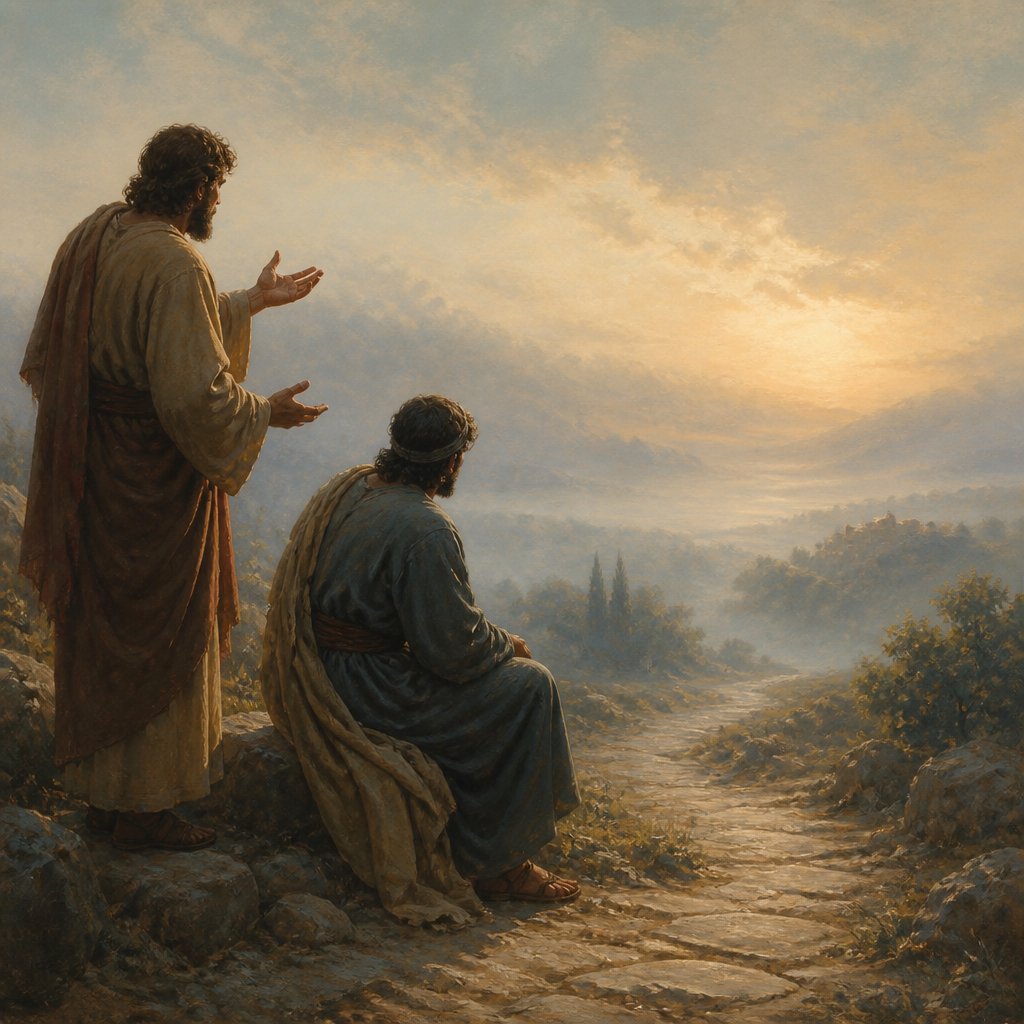
Ecclesiastes 10:14 Artwork

Ecclesiastes 10:14 - "A fool also is full of words: a man cannot tell what shall be; and what shall be after him, who can tell him?"
"A fool also is full of words: a man cannot tell what shall be; and what shall be after him, who can tell him?" - Ecclesiastes 10:14

Ecclesiastes 10:10 - "If the iron be blunt, and he do not whet the edge, then must he put to more strength: but wisdom is profitable to direct."

Ecclesiastes 10:6 - "Folly is set in great dignity, and the rich sit in low place."

Ecclesiastes 10:11 - "Surely the serpent will bite without enchantment; and a babbler is no better."

Ecclesiastes 10:18 - "¶ By much slothfulness the building decayeth; and through idleness of the hands the house droppeth through."

Ecclesiastes 10:19 - "¶ A feast is made for laughter, and wine maketh merry: but money answereth all things."

Ecclesiastes 5:14 - "But those riches perish by evil travail: and he begetteth a son, and there is nothing in his hand."

Ecclesiastes 10:12 - "The words of a wise man's mouth are gracious; but the lips of a fool will swallow up himself."

Ecclesiastes 10:13 - "The beginning of the words of his mouth is foolishness: and the end of his talk is mischievous madness."

Ecclesiastes 10:2 - "A wise man's heart is at his right hand; but a fool's heart at his left."

Ecclesiastes 4:14 - "For out of prison he cometh to reign; whereas also he that is born in his kingdom becometh poor."

Ecclesiastes 1:14 - "I have seen all the works that are done under the sun; and, behold, all is vanity and vexation of spirit."

Ecclesiastes 10:5 - "There is an evil which I have seen under the sun, as an error which proceedeth from the ruler:"

Ecclesiastes 12:10 - "The preacher sought to find out acceptable words: and that which was written was upright, even words of truth."

Ecclesiastes 10:15 - "The labour of the foolish wearieth every one of them, because he knoweth not how to go to the city."

Ecclesiastes 10:7 - "I have seen servants upon horses, and princes walking as servants upon the earth."

Ecclesiastes 3:10 - "I have seen the travail, which God hath given to the sons of men to be exercised in it."

Ecclesiastes 12:14 - "For God shall bring every work into judgment, with every secret thing, whether it be good, or whether it be evil."

Ecclesiastes 5:10 - "He that loveth silver shall not be satisfied with silver; nor he that loveth abundance with increase: this is also vanity."

Ecclesiastes 10:16 - "¶ Woe to thee, O land, when thy king is a child, and thy princes eat in the morning!"

Ecclesiastes 10:8 - "He that diggeth a pit shall fall into it; and whoso breaketh an hedge, a serpent shall bite him."

Ecclesiastes 10:9 - "Whoso removeth stones shall be hurt therewith; and he that cleaveth wood shall be endangered thereby."

Ecclesiastes 9:14 - "There was a little city, and few men within it; and there came a great king against it, and besieged it, and built great bulwarks against it:"

Ecclesiastes 10:4 - "If the spirit of the ruler rise up against thee, leave not thy place; for yielding pacifieth great offences."

Ecclesiastes 1:10 - "Is there any thing whereof it may be said, See, this is new? it hath been already of old time, which was before us."

Ecclesiastes 2:14 - "The wise man's eyes are in his head; but the fool walketh in darkness: and I myself perceived also that one event happeneth to them all."

Ecclesiastes 7:10 - "Say not thou, What is the cause that the former days were better than these? for thou dost not enquire wisely concerning this."

"Surely the serpent will bite without enchantment; and a babbler is no better." - Ecclesiastes 10:11

Ecclesiastes 11:10 - "Therefore remove sorrow from thy heart, and put away evil from thy flesh: for childhood and youth are vanity."