What does Ecclesiastes 10:12 mean?
"The words of a wise man's mouth are gracious; but the lips of a fool will swallow up himself." - Ecclesiastes 10:12
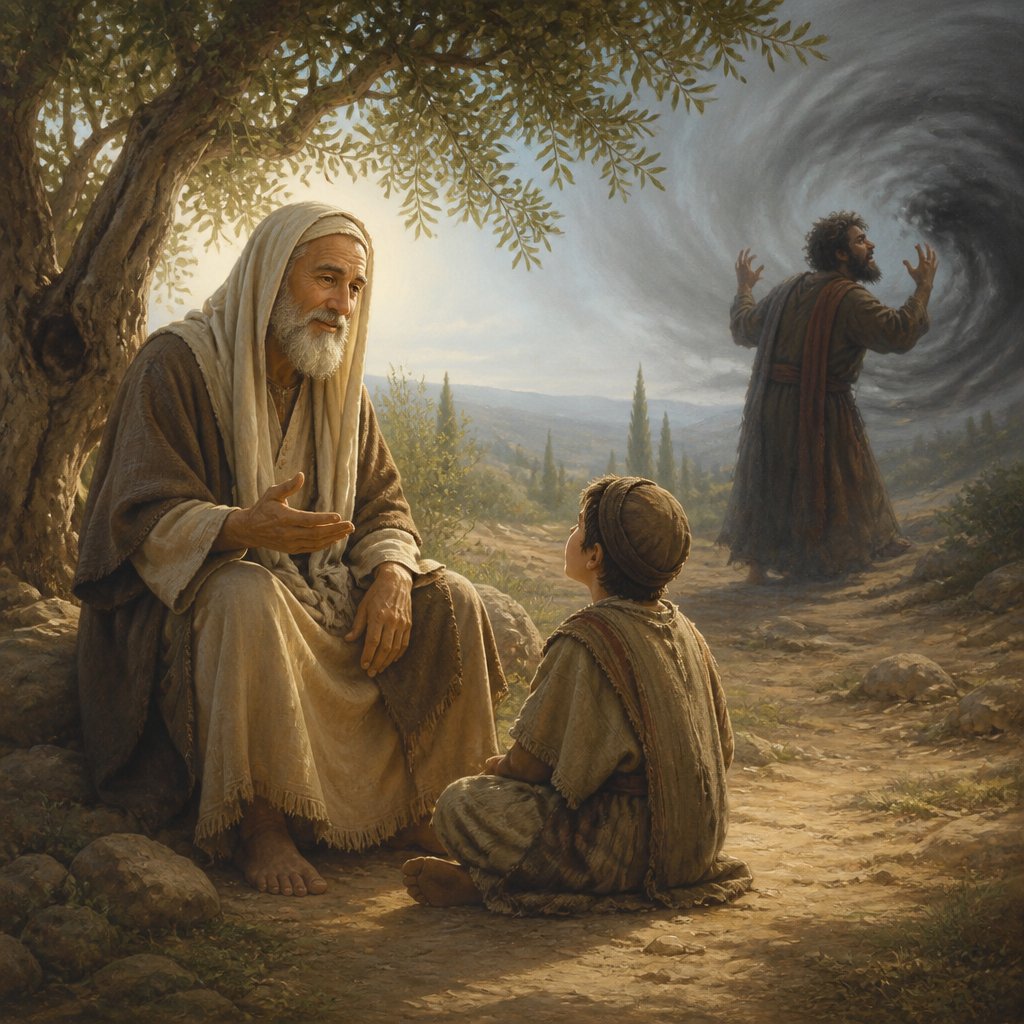
Ecclesiastes 10:12 from the King James Version of the Bible reads, "The words of a wise man's mouth are gracious; but the lips of a fool will swallow up himself." This verse is found in the Old Testament book of Ecclesiastes, which was traditionally attributed to King Solomon. The book of Ecclesiastes is a philosophical and reflective work that explores the meaning of life and the pursuit of wisdom.
The verse can be interpreted in a number of ways, with many layers of meaning and significance. At its core, Ecclesiastes 10:12 offers a contrast between wisdom and foolishness, highlighting the impact of words and speech on a person's character and fate. The verse presents the wise man as one whose speech is characterized by grace and wisdom, while the fool's speech leads to his own downfall.
One of the central themes in Ecclesiastes 10:12 is the power of words and the importance of choosing them carefully. The verse suggests that the words spoken by a wise person have a positive and beneficial impact, conveying wisdom, insight, and grace. In contrast, the words spoken by a fool are destructive and ultimately lead to his own downfall. This theme reflects the larger emphasis in the book of Ecclesiastes on the consequences of one's actions and the pursuit of wisdom and righteousness.
The contrast between wisdom and folly in Ecclesiastes 10:12 also reflects the broader biblical theme of the wisdom literature. Throughout the Old Testament, wisdom is presented as a valuable and desirable trait, to be sought after and cultivated. The book of Proverbs, for example, is filled with exhortations to seek wisdom and avoid foolishness. Ecclesiastes 10:12 is in line with this tradition, emphasizing the importance of wisdom in speech and conduct.
Another theme in Ecclesiastes 10:12 is the idea of self-destruction resulting from foolishness. The verse suggests that the fool's speech is his own undoing, leading to his own downfall and destruction. This idea is in line with the broader biblical teaching on the consequences of sin and foolishness. Throughout the Bible, there is a consistent emphasis on the destructive nature of sin and folly, and the need to pursue righteousness and wisdom.
The context of Ecclesiastes 10:12 within the book of Ecclesiastes is also important for understanding its meaning and significance. The verse comes in the midst of a series of reflections on the contrast between wisdom and folly, and their respective outcomes. In the preceding verses, the author of Ecclesiastes discusses the folly of foolishness, and the need for wisdom and discernment. Ecclesiastes 10:12 serves to reinforce these ideas, highlighting the importance of wise speech and the destructive nature of foolishness.
In addition to its thematic significance, Ecclesiastes 10:12 also contains symbolism that adds depth to its meaning. The contrast between the wise man and the fool can be seen as representative of larger themes in the book, such as the contrast between the pursuit of wisdom and the pursuit of folly, and the ultimate outcomes of each. The verse also symbolizes the power of words and the impact they can have on one's fate, reflecting the broader biblical teaching on the significance of speech and communication.
In conclusion, Ecclesiastes 10:12 from the King James Version of the Bible is a rich and multifaceted verse that speaks to the themes of wisdom and folly, the power of words, and the consequences of one's actions. Its message is a timeless one, highlighting the importance of wisdom and discernment in speech and conduct, and the destructive nature of foolishness. The verse is a potent reminder of the value of pursuing wisdom and righteousness, and the significance of the words we speak.
Have questions about Ecclesiastes 10:12?
Dive deeper into this scripture with Bible Chat — an AI-powered tool for exploring God's Word through conversation. Ask questions, get context, and grow in your understanding of the Bible.
Get Our Apps


Ecclesiastes 10:12 Artwork

Ecclesiastes 10:12 - "The words of a wise man's mouth are gracious; but the lips of a fool will swallow up himself."

"The words of a wise man's mouth are gracious; but the lips of a fool will swallow up himself." - Ecclesiastes 10:12

Ecclesiastes 12:10 - "The preacher sought to find out acceptable words: and that which was written was upright, even words of truth."

ecclesiastes 12:1

ecclesiastes 12:1

ecclesiastes 12:1

"The preacher sought to find out acceptable words: and that which was written was upright, even words of truth." - Ecclesiastes 12:10

ecclesiastes 12:1-8

ecclesiastes 12:2-6

ecclesiastes 12:1-8

ecclesiastes 12:1-8

ecclesiastes 12:1-8

ecclesiastes 12:1-8

Ecclesiastes 1:12 - "¶ I the Preacher was king over Israel in Jerusalem."

Ecclesiastes 12:8 - "¶ Vanity of vanities, saith the preacher; all is vanity."

Ecclesiastes 12:12 - "And further, by these, my son, be admonished: of making many books there is no end; and much study is a weariness of the flesh."

Ecclesiastes 10:10 - "If the iron be blunt, and he do not whet the edge, then must he put to more strength: but wisdom is profitable to direct."

Ecclesiastes 10:6 - "Folly is set in great dignity, and the rich sit in low place."

Ecclesiastes 10:11 - "Surely the serpent will bite without enchantment; and a babbler is no better."

Ecclesiastes 10:18 - "¶ By much slothfulness the building decayeth; and through idleness of the hands the house droppeth through."

Ecclesiastes 10:19 - "¶ A feast is made for laughter, and wine maketh merry: but money answereth all things."

Ecclesiastes 12:7 - "Then shall the dust return to the earth as it was: and the spirit shall return unto God who gave it."

Ecclesiastes 3:12 - "I know that there is no good in them, but for a man to rejoice, and to do good in his life."

Ecclesiastes 10:13 - "The beginning of the words of his mouth is foolishness: and the end of his talk is mischievous madness."

Ecclesiastes 10:2 - "A wise man's heart is at his right hand; but a fool's heart at his left."

Ecclesiastes 12:11 - "The words of the wise are as goads, and as nails fastened by the masters of assemblies, which are given from one shepherd."

Ecclesiastes 4:12 - "And if one prevail against him, two shall withstand him; and a threefold cord is not quickly broken."

Ecclesiastes 7:12 - "For wisdom is a defence, and money is a defence: but the excellency of knowledge is, that wisdom giveth life to them that have it."

"While the sun, or the light, or the moon, or the stars, be not darkened, nor the clouds return after the rain:" - Ecclesiastes 12:2

Ecclesiastes 12:2 - "While the sun, or the light, or the moon, or the stars, be not darkened, nor the clouds return after the rain:"