What does Deuteronomy 9:21 mean?
"And I took your sin, the calf which ye had made, and burnt it with fire, and stamped it, and ground it very small, even until it was as small as dust: and I cast the dust thereof into the brook that descended out of the mount." - Deuteronomy 9:21
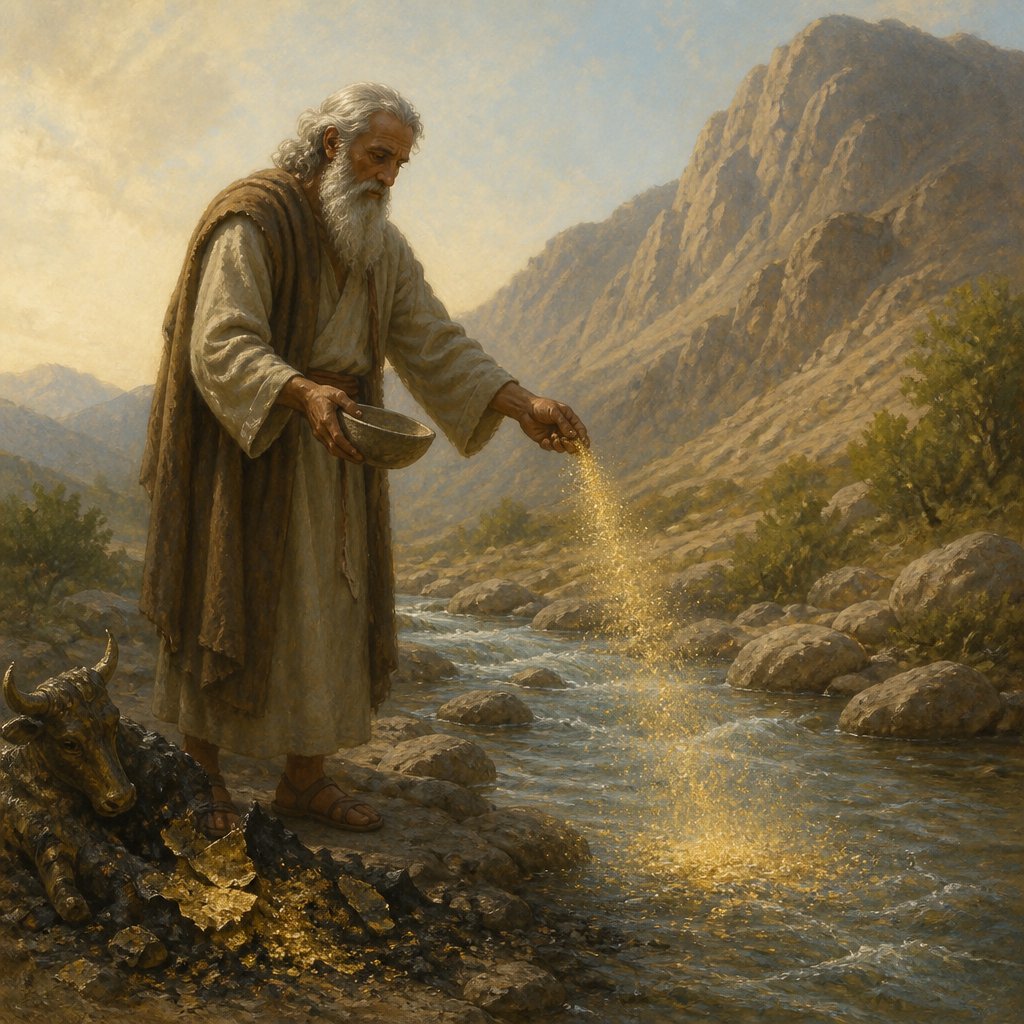
Deuteronomy 9:21 in the King James Version of the Bible states, "And I took your sin, the calf which ye had made, and burnt it with fire, and stamped it, and ground it very small, even until it was as small as dust: and I cast the dust thereof into the brook that descended out of the mount." This verse comes from the book of Deuteronomy, which is the fifth book of the Old Testament and is attributed to Moses. In this particular verse, Moses is recounting the events that occurred during the Israelites' time in the wilderness, specifically referring to the incident when they made a golden calf and worshipped it as their god.
The overall theme of Deuteronomy 9:21 is the concept of repentance and the consequences of sin. This verse highlights the severity of the Israelites' sin in making and worshipping the golden calf, and the actions that were taken to atone for their transgression. It also emphasizes the idea of God's holiness and the importance of obeying His commandments.
The context of this verse is set during the Israelites' journey through the wilderness after their exodus from Egypt. Moses had gone up to Mount Sinai to receive the Ten Commandments from God, and while he was away, the people grew impatient and asked Aaron to make them a god to worship. Aaron complied and fashioned a golden calf for them to worship. When Moses returned and saw what the people had done, he became angry and took the golden calf, burned it, ground it into powder, and scattered it in the water.
The symbolism in Deuteronomy 9:21 is rich and multifaceted. The act of burning and grinding the golden calf symbolizes the destruction and annihilation of idol worship. By reducing the calf to dust and scattering it in the water, Moses symbolically eradicated the physical representation of the people's sin. This act serves as a powerful metaphor for the eradication of all forms of idolatry and the consequences of turning away from the true God.
Furthermore, the brook into which the dust was cast serves as a symbol of cleansing and purification. Water is often used symbolically in the Bible to represent spiritual cleansing and renewal. By casting the dust into the brook, Moses demonstrated the need for the Israelites to be cleansed from their sin and to be restored to a right relationship with God.
Deuteronomy 9:21 also reflects the mercy and forgiveness of God. Despite the Israelites' grave sin, God did not annihilate them but rather provided a way for them to repent and seek forgiveness. By destroying the golden calf and casting it into the water, Moses initiated a process of repentance and reconciliation between the people and God.
In a broader theological sense, Deuteronomy 9:21 foreshadows the ultimate atonement for sin through the sacrifice of Jesus Christ. The burning, grinding, and scattering of the golden calf prefigure Christ's sacrifice on the cross, where He took upon Himself the sins of humanity and offered Himself as a sacrifice for the forgiveness of sins. The act of casting the dust into the brook can be seen as a symbolic precursor to the cleansing and renewal that comes through baptism and the indwelling of the Holy Spirit.
Overall, Deuteronomy 9:21 is a powerful and evocative verse that conveys important themes of repentance, forgiveness, and the consequences of sin. It provides a vivid illustration of the gravity of idolatry and the need for spiritual cleansing and renewal. The symbolism and imagery in this verse resonate with profound theological truths that continue to resonate with believers today.
Have questions about Deuteronomy 9:21?
Dive deeper into this scripture with Bible Chat — an AI-powered tool for exploring God's Word through conversation. Ask questions, get context, and grow in your understanding of the Bible.
Get Our Apps


Deuteronomy 9:21 Artwork
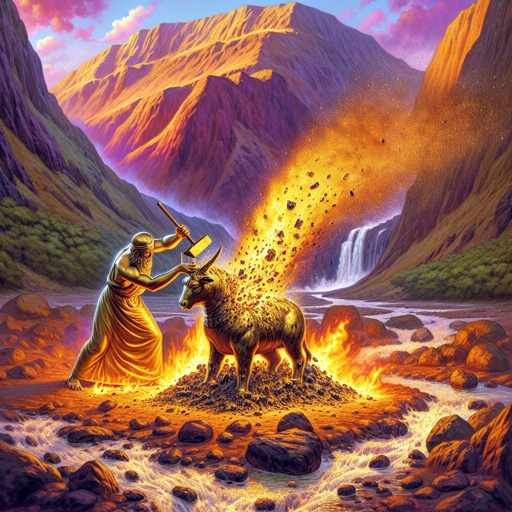
Deuteronomy 9:21 - "And I took your sin, the calf which ye had made, and burnt it with fire, and stamped it, and ground it very small, even until it was as small as dust: and I cast the dust thereof into the brook that descended out of the mount."
"And I took your sin, the calf which ye had made, and burnt it with fire, and stamped it, and ground it very small, even until it was as small as dust: and I cast the dust thereof into the brook that descended out of the mount." - Deuteronomy 9:21
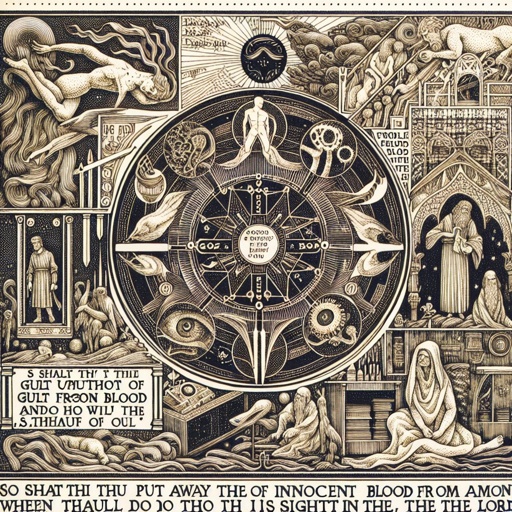
Deuteronomy 21:9 - "So shalt thou put away the guilt of innocent blood from among you, when thou shalt do that which is right in the sight of the LORD."

Deuteronomy 1.1-21

Matthew 9:21

Deuteronomy 27:21 - "Cursed be he that lieth with any manner of beast. And all the people shall say, Amen."

Matthew 9:21-22

Matthew 9:21-22

Matthew 9:21-22

Matthew 9:21-22

Matthew 9:21-22
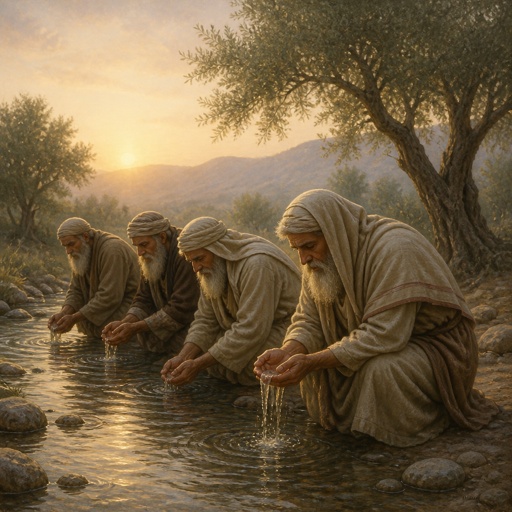
"So shalt thou put away the guilt of innocent blood from among you, when thou shalt do that which is right in the sight of the LORD." - Deuteronomy 21:9

Deuteronomy 21:21 - "And all the men of his city shall stone him with stones, that he die: so shalt thou put evil away from among you; and all Israel shall hear, and fear."

rev 9:21

john 21:9

Genesis 21:9

Deuteronomy 32:9 - "For the LORD'S portion is his people; Jacob is the lot of his inheritance."

Deuteronomy 7:21 - "Thou shalt not be affrighted at them: for the LORD thy God is among you, a mighty God and terrible."

Deuteronomy 21:7 - "And they shall answer and say, Our hands have not shed this blood, neither have our eyes seen it."

Deuteronomy 18:21 - "And if thou say in thine heart, How shall we know the word which the LORD hath not spoken?"

Deuteronomy 3:9 - "(Which Hermon the Sidonians call Sirion; and the Amorites call it Shenir;)"

Deuteronomy 9:22 - "And at Taberah, and at Massah, and at Kibroth-hattaavah, ye provoked the LORD to wrath."

Deuteronomy 21:22 - "¶ And if a man have committed a sin worthy of death, and he be to be put to death, and thou hang him on a tree:"

Deuteronomy 2:21 - "A people great, and many, and tall, as the Anakims; but the LORD destroyed them before them; and they succeeded them, and dwelt in their stead:"

Deuteronomy 21:6 - "And all the elders of that city, that are next unto the slain man, shall wash their hands over the heifer that is beheaded in the valley:"

Deuteronomy 24:21 - "When thou gatherest the grapes of thy vineyard, thou shalt not glean it afterward: it shall be for the stranger, for the fatherless, and for the widow."

Deuteronomy 21:12 - "Then thou shalt bring her home to thine house; and she shall shave her head, and pare her nails;"

2 Chronicles 21:9

Deuteronomy 6:9 - "And thou shalt write them upon the posts of thy house, and on thy gates."

Deuteronomy 21:11 - "And seest among the captives a beautiful woman, and hast a desire unto her, that thou wouldest have her to thy wife;"