What does Deuteronomy 8:9 mean?
"A land wherein thou shalt eat bread without scarceness, thou shalt not lack any thing in it; a land whose stones are iron, and out of whose hills thou mayest dig brass." - Deuteronomy 8:9
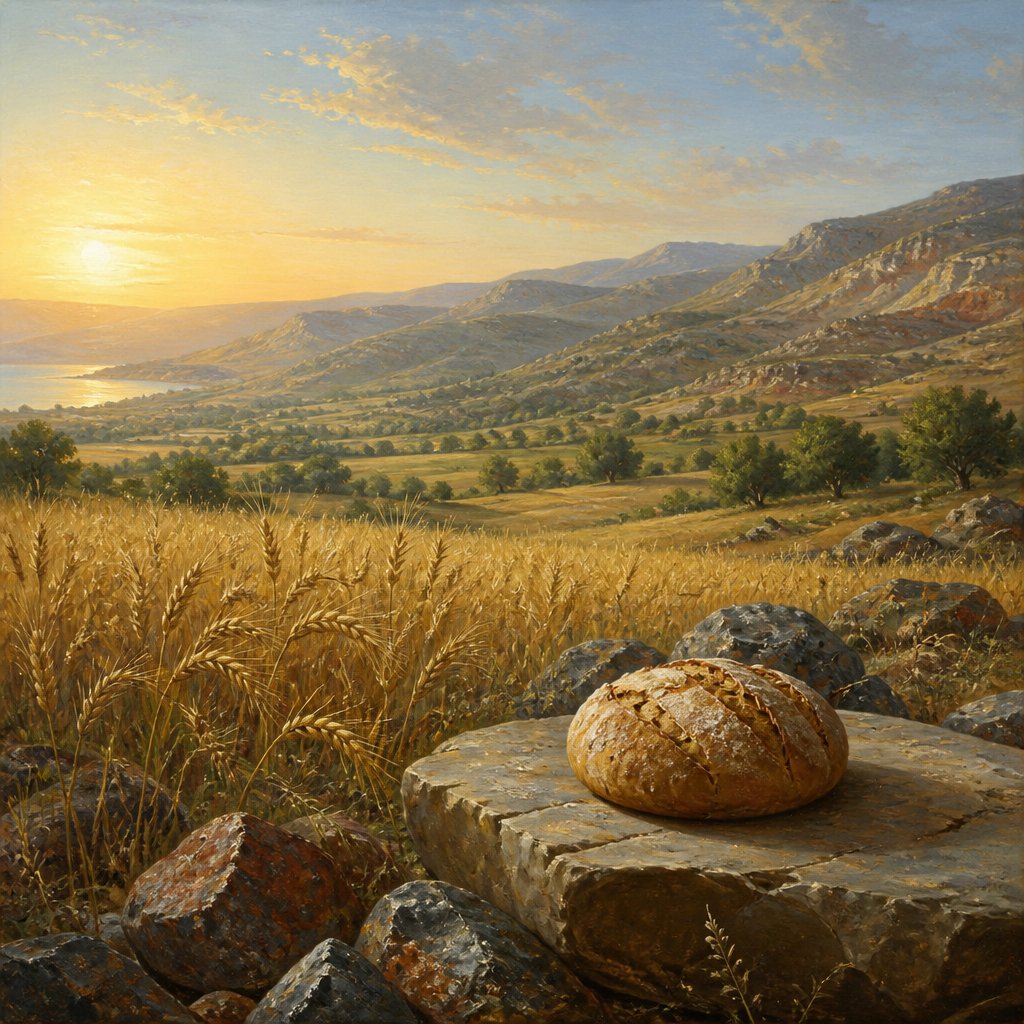
Deuteronomy 8:9 (KJV) states, "A land wherein thou shalt eat bread without scarceness, thou shalt not lack any thing in it; a land whose stones are iron, and out of whose hills thou mayest dig brass."
This verse is part of Moses' farewell address to the Israelites, in which he reminds them of the faithfulness and provision of God as they prepared to enter the Promised Land. The verse is loaded with layers of meaning and symbolism, and it provides valuable insights into the themes of abundance, gratitude, and trust in God's provision.
The context of Deuteronomy 8:9 is essential to understanding its full significance. The Israelites had spent forty years wandering in the wilderness as a result of their disobedience and lack of faith in God's promises. As they were on the verge of entering the Promised Land, Moses reminded them of how God had sustained them in the wilderness, providing manna for their daily nourishment and water from the rock. Now, as they were about to inherit a land flowing with milk and honey, Moses assured them that they would lack nothing in it.
One of the central themes of this verse is the abundance of God's provision. The imagery of eating bread without scarceness and not lacking anything speaks to the bountiful blessings that God bestows upon those who trust and obey Him. The promise of a land with stones of iron and hills of brass emphasizes the richness and fertility of the Promised Land, signifying the abundance of natural resources and material prosperity that God had in store for His people.
This verse also highlights the importance of gratitude and remembrance of God's faithfulness. Throughout the wilderness journey, the Israelites had experienced God's miraculous provision and sustenance, and now as they were about to enter a land flowing with abundant blessings, Moses urged them not to forget the source of their prosperity. In the following verses, he warns them against becoming prideful and forgetting the Lord who had brought them out of Egypt and sustained them in the wilderness.
The symbolism in Deuteronomy 8:9 is rich and multifaceted. The land of abundance represents not only the physical blessings that God provides but also the spiritual abundance that comes from obeying His commandments and walking in His ways. The stones of iron and hills of brass symbolize strength and durability, pointing to God's ability to provide for His people in every aspect of their lives. The verse serves as a reminder that God's provision is not limited to material wealth but encompasses all aspects of our well-being, including our physical, emotional, and spiritual needs.
Overall, Deuteronomy 8:9 is a powerful and poignant reminder of God's abundant provision, the importance of gratitude and remembrance, and the need to trust in His faithfulness. It encourages us to cultivate a spirit of thankfulness for God's blessings and to always remember that every good gift comes from above. As we reflect on this verse, may we be inspired to trust in God's provision, cultivate a heart of gratitude, and seek to honor Him in all that we do.
Have questions about Deuteronomy 8:9?
Dive deeper into this scripture with Bible Chat — an AI-powered tool for exploring God's Word through conversation. Ask questions, get context, and grow in your understanding of the Bible.
Get Our Apps


Deuteronomy 8:9 Artwork

Deuteronomy 8:9 - "A land wherein thou shalt eat bread without scarceness, thou shalt not lack any thing in it; a land whose stones are iron, and out of whose hills thou mayest dig brass."
"A land wherein thou shalt eat bread without scarceness, thou shalt not lack any thing in it; a land whose stones are iron, and out of whose hills thou mayest dig brass." - Deuteronomy 8:9

Deuteronomy 9:8 - "Also in Horeb ye provoked the LORD to wrath, so that the LORD was angry with you to have destroyed you."
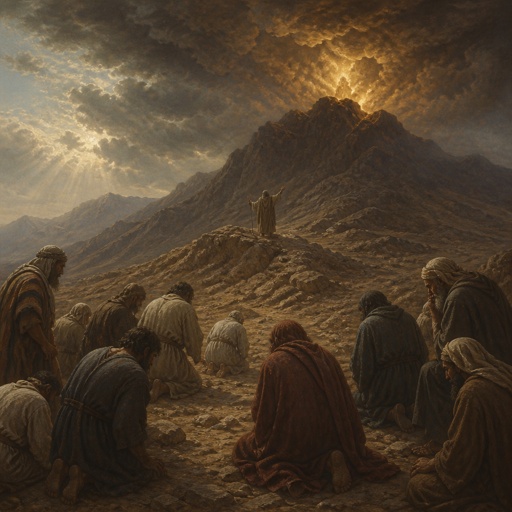
"Also in Horeb ye provoked the LORD to wrath, so that the LORD was angry with you to have destroyed you." - Deuteronomy 9:8

deuteronomy 31 8

Deuteronomy 31:8

Deuteronomy 8:8 - "A land of wheat, and barley, and vines, and fig trees, and pomegranates; a land of oil olive, and honey;"

Deuteronomy 32:9 - "For the LORD'S portion is his people; Jacob is the lot of his inheritance."

Deuteronomy 3:9 - "(Which Hermon the Sidonians call Sirion; and the Amorites call it Shenir;)"

Deuteronomy 9:22 - "And at Taberah, and at Massah, and at Kibroth-hattaavah, ye provoked the LORD to wrath."

Deuteronomy 23:8 - "The children that are begotten of them shall enter into the congregation of the LORD in their third generation."

Deuteronomy 6:9 - "And thou shalt write them upon the posts of thy house, and on thy gates."

Deuteronomy 27:8 - "And thou shalt write upon the stones all the words of this law very plainly."

Deuteronomy 9:24 - "Ye have been rebellious against the LORD from the day that I knew you."

Deuteronomy 12:9 - "For ye are not as yet come to the rest and to the inheritance, which the LORD your God giveth you."

Deuteronomy 18:8 - "They shall have like portions to eat, beside that which cometh of the sale of his patrimony."

Deuteronomy 29:8 - "And we took their land, and gave it for an inheritance unto the Reubenites, and to the Gadites, and to the half tribe of Manasseh."

Deuteronomy 14:9 - "¶ These ye shall eat of all that are in the waters: all that have fins and scales shall ye eat:"

Deuteronomy 29:9 - "Keep therefore the words of this covenant, and do them, that ye may prosper in all that ye do."

Deuteronomy 9:20 - "And the LORD was very angry with Aaron to have destroyed him: and I prayed for Aaron also the same time."

Deuteronomy 1:9 - "¶ And I spake unto you at that time, saying, I am not able to bear you myself alone:"

Zachariah 9:8

Neh 8:9

Deuteronomy 23:9 - "¶ When the host goeth forth against thine enemies, then keep thee from every wicked thing."
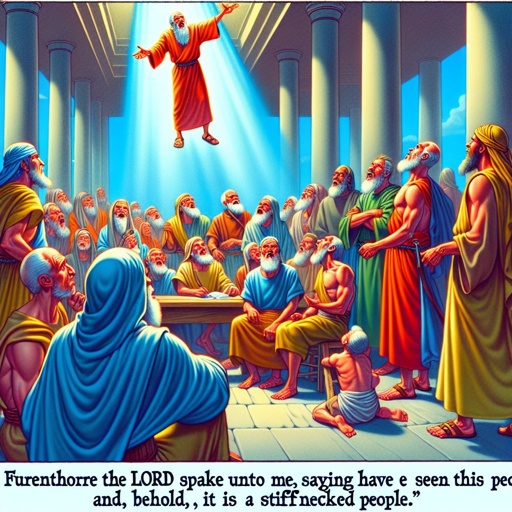
Deuteronomy 9:13 - "Furthermore the LORD spake unto me, saying, I have seen this people, and, behold, it is a stiffnecked people:"

Deuteronomy 8:12 - "Lest when thou hast eaten and art full, and hast built goodly houses, and dwelt therein;"

Deuteronomy 8:6 - "Therefore thou shalt keep the commandments of the LORD thy God, to walk in his ways, and to fear him."

Deuteronomy 8:4 - "Thy raiment waxed not old upon thee, neither did thy foot swell, these forty years."

Deuteronomy 8:17 - "And thou say in thine heart, My power and the might of mine hand hath gotten me this wealth."

Deuteronomy 6:8 - "And thou shalt bind them for a sign upon thine hand, and they shall be as frontlets between thine eyes."