What does Deuteronomy 7:6 mean?
"For thou art an holy people unto the LORD thy God: the LORD thy God hath chosen thee to be a special people unto himself, above all people that are upon the face of the earth." - Deuteronomy 7:6
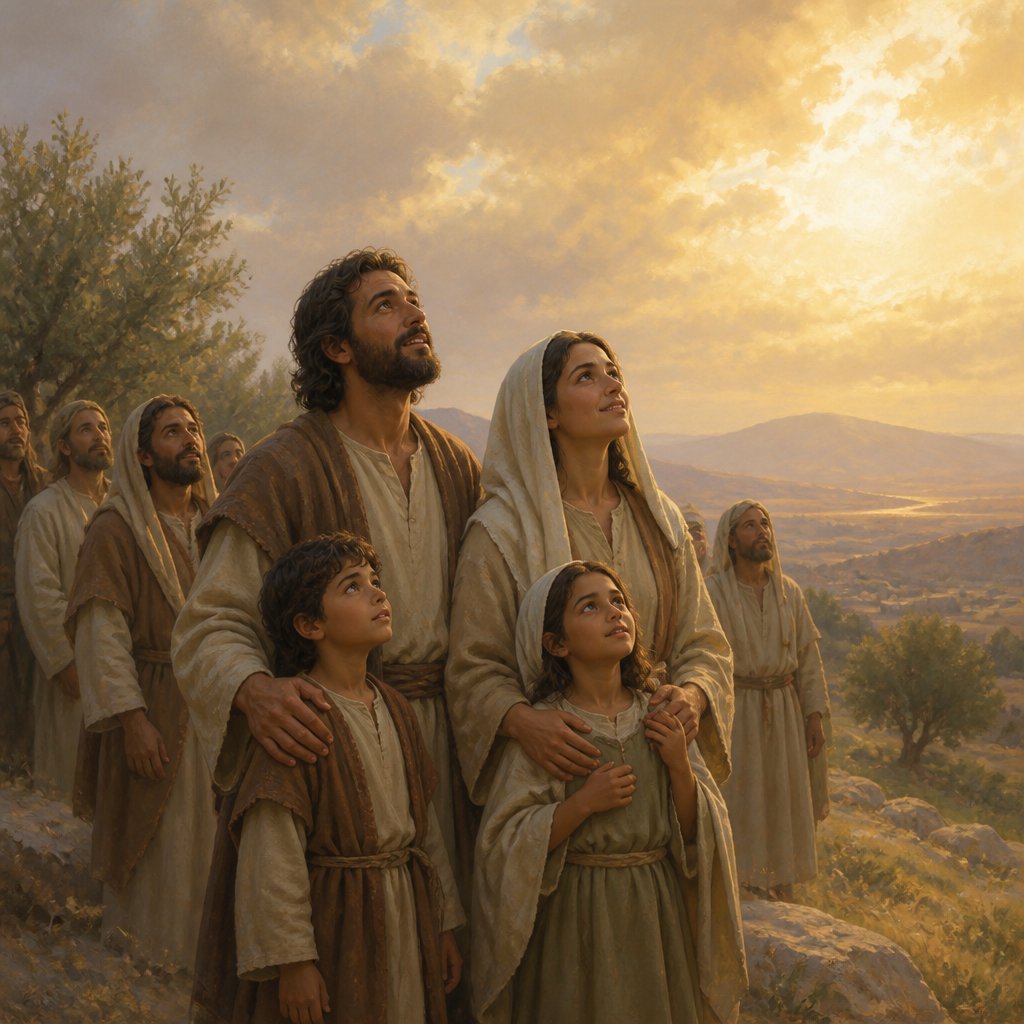
Deuteronomy 7:6 (KJV) says, "For thou art an holy people unto the Lord thy God: the Lord thy God hath chosen thee to be a special people unto himself, above all people that are upon the face of the earth."
This verse is a powerful declaration of God's love and chosenness for the people of Israel. In this verse, Moses speaks to the Israelites, reminding them of their unique and privileged position as the chosen people of God. The theme of "chosenness" is central to the verse, and it is a recurring motif throughout the Bible, particularly in the Old Testament.
The context of this verse is crucial for understanding its significance. The book of Deuteronomy is essentially a farewell address by Moses to the Israelites, as they are on the cusp of entering the Promised Land. Moses uses this opportunity to remind the people of their covenant relationship with God and to reinforce the importance of obedience to God's commandments. In this verse, Moses emphasizes the special status of the Israelites as God's chosen people, set apart for a unique and holy purpose.
The language used in this verse is also significant. The phrase "holy people" underscores the sanctity and separateness of the Israelites, as they are called to be set apart from the surrounding nations. This concept is deeply rooted in the Israelite's identity and is a fundamental aspect of their relationship with God. The idea of being "set apart" implies a distinct standard of behavior and adherence to God's moral and ethical laws.
The verse also highlights the divine initiative in choosing the Israelites. It is not based on any inherent superiority or merit on their part, but rather it is an expression of God's grace and sovereignty. This concept of divine election is a recurring theme in the Bible, emphasizing God's intentional and purposeful choosing of a particular people for a special relationship and mission.
The symbolism in this verse is profound. The Israelites are portrayed as a "special people" unto God, signifying their unique role in God's divine plan for redemption and salvation. This imagery conveys a sense of privilege and responsibility, as the Israelites are called to reflect God's character and to be a light to the nations. Additionally, the imagery of being chosen "above all people" underscores the exceptional nature of the Israelite's relationship with God and their privileged status as His chosen people.
Furthermore, this verse has broader theological implications. It underscores the universal aspect of God's redemptive plan, as the election of Israel is ultimately for the benefit of all nations. The chosenness of Israel serves as a means through which God will bring blessing and salvation to the entire world. This points to the inclusive nature of God's love and His desire for all of creation to be reconciled to Him.
In conclusion, Deuteronomy 7:6 is a powerful declaration of the Israelite's chosenness by God. The verse highlights the special and privileged status of the Israelites as God's holy and chosen people. It emphasizes the divine initiative in choosing the Israelites and underscores the responsibility to live in obedience to God's commandments. The verse also carries profound symbolism and theological significance, pointing to God's universal plan of redemption and His desire for all nations to be blessed through the chosen people of Israel.
Have questions about Deuteronomy 7:6?
Dive deeper into this scripture with Bible Chat — an AI-powered tool for exploring God's Word through conversation. Ask questions, get context, and grow in your understanding of the Bible.
Get Our Apps


Deuteronomy 7:6 Artwork

Deuteronomy 7:6 - "For thou art an holy people unto the LORD thy God: the LORD thy God hath chosen thee to be a special people unto himself, above all people that are upon the face of the earth."
"For thou art an holy people unto the LORD thy God: the LORD thy God hath chosen thee to be a special people unto himself, above all people that are upon the face of the earth." - Deuteronomy 7:6

Deuteronomy 6:6-7 - "And these words, which I command thee this day, shall be in thine heart: And thou shalt teach them diligently unto thy children, and shalt talk of them when thou sittest in thine house, and when thou walkest by the way, and when thou liest down, and when thou risest up."
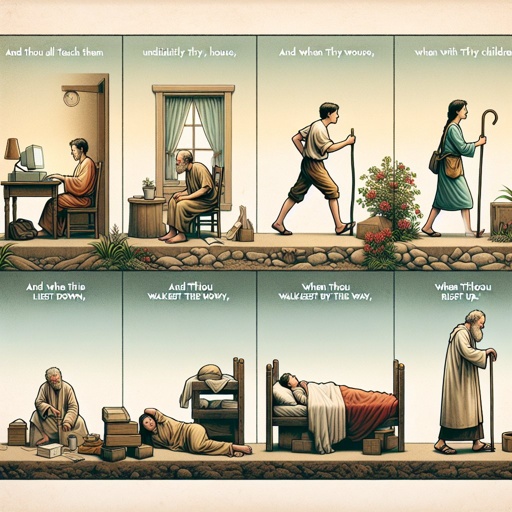
Deuteronomy 6:7 - "And thou shalt teach them diligently unto thy children, and shalt talk of them when thou sittest in thine house, and when thou walkest by the way, and when thou liest down, and when thou risest up."

Deuteronomy 6:6 - "And these words, which I command thee this day, shall be in thine heart:"

Deuteronomy 34:5-6

Deuteronomy 6:4 - "Hear, O Israel: The LORD our God is one LORD:"

Deuteronomy 3:7 - "But all the cattle, and the spoil of the cities, we took for a prey to ourselves."

Deuteronomy 33:6 - "¶ Let Reuben live, and not die; and let not his men be few."

Deuteronomy 5:7 - "Thou shalt have none other gods before me."

Deuteronomy 23:6 - "Thou shalt not seek their peace nor their prosperity all thy days for ever."

Deuteronomy 6:16 - "¶ Ye shall not tempt the LORD your God, as ye tempted him in Massah."

Deuteronomy 6:9 - "And thou shalt write them upon the posts of thy house, and on thy gates."

Deuteronomy 6:19 - "To cast out all thine enemies from before thee, as the LORD hath spoken."

Deuteronomy 26:6 - "And the Egyptians evil entreated us, and afflicted us, and laid upon us hard bondage:"

Deuteronomy 19:7 - "Wherefore I command thee, saying, Thou shalt separate three cities for thee."

Deuteronomy 10:7 - "From thence they journeyed unto Gudgodah; and from Gudgodah to Jotbath, a land of rivers of waters."

Deuteronomy 11:7 - "But your eyes have seen all the great acts of the LORD which he did."

"And these words, which I command thee this day, shall be in thine heart:" - Deuteronomy 6:6

Deuteronomy 24:6 - "¶ No man shall take the nether or the upper millstone to pledge: for he taketh a man's life to pledge."

Deuteronomy 6:13 - "Thou shalt fear the LORD thy God, and serve him, and shalt swear by his name."

Deuteronomy 6:14 - "Ye shall not go after other gods, of the gods of the people which are round about you;"

Deuteronomy 27:7 - "And thou shalt offer peace offerings, and shalt eat there, and rejoice before the LORD thy God."

Deuteronomy 7:21 - "Thou shalt not be affrighted at them: for the LORD thy God is among you, a mighty God and terrible."

Deuteronomy 8:6 - "Therefore thou shalt keep the commandments of the LORD thy God, to walk in his ways, and to fear him."

Deuteronomy 21:7 - "And they shall answer and say, Our hands have not shed this blood, neither have our eyes seen it."

Deuteronomy 7:7 - "The LORD did not set his love upon you, nor choose you, because ye were more in number than any people; for ye were the fewest of all people:"

Acts 3:6-7

Acts 3:6-7

Acts 3:6-7