What does Deuteronomy 7:5 mean?
"But thus shall ye deal with them; ye shall destroy their altars, and break down their images, and cut down their groves, and burn their graven images with fire." - Deuteronomy 7:5
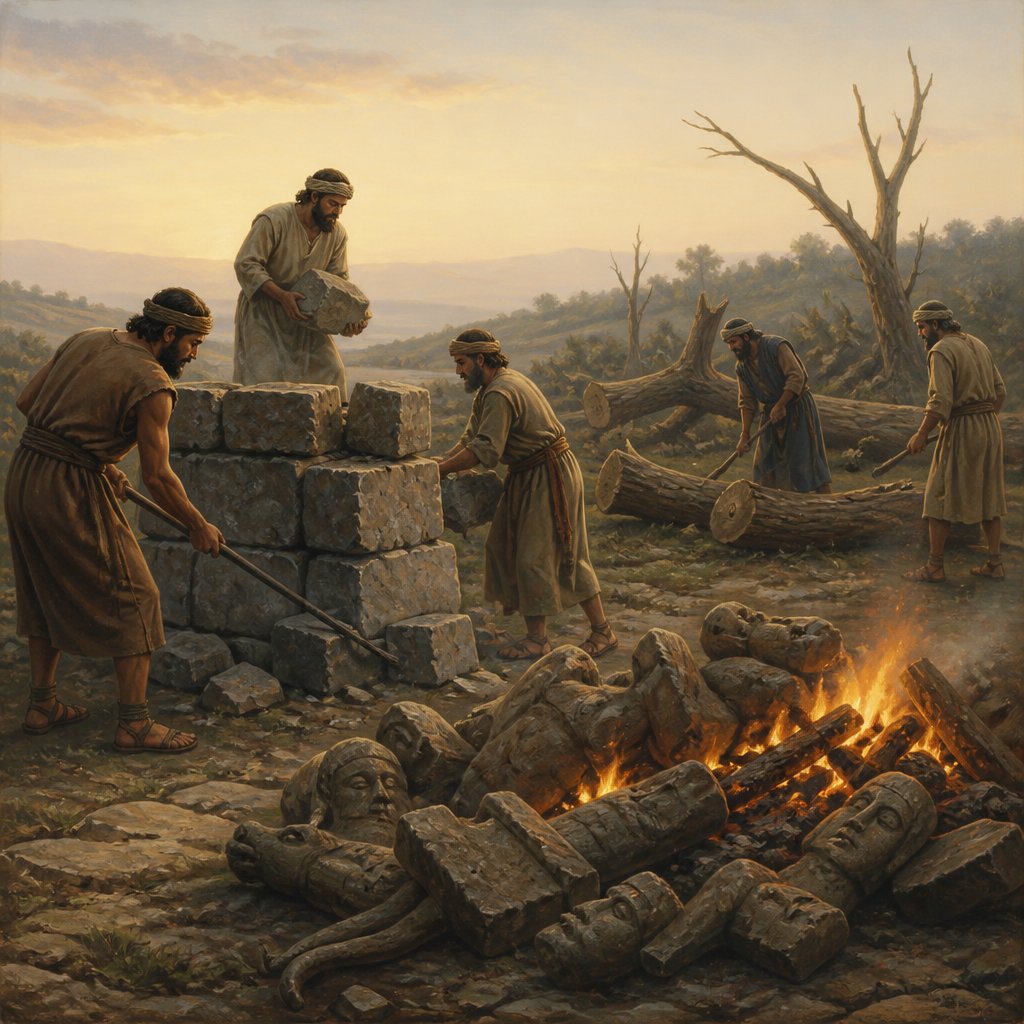
Deuteronomy 7:5 from the King James Version of the Bible reads:
"But thus shall ye deal with them; ye shall destroy their altars, and break down their images, and cut down their groves, and burn their graven images with fire."
This verse is part of a larger passage in Deuteronomy where God is instructing the Israelites on how to live in the promised land. The verse speaks specifically of the actions they are to take in relation to the altars, images, and groves of the people who currently inhabit the land.
In order to fully understand the context and meaning of this verse, it is important to look at the surrounding passages and understand the historical and cultural context in which it was written. Deuteronomy is part of the Torah, the first five books of the Bible, and is attributed to Moses. It is believed to have been written around the 7th century BC, and it is addressed to the Israelites as they are about to enter the land of Canaan.
The Canaanites were the indigenous people of the land, and they were known for their polytheistic beliefs and practices. They built altars, erected images, and worshipped in groves, all of which were central to their religious rituals. God's instructions to the Israelites to destroy these religious symbols and practices were intended to prevent them from being influenced by the Canaanite religion and to ensure that they remained faithful to the one true God.
On a thematic level, this verse highlights the importance of exclusive devotion to God and the rejection of idolatry. Throughout the Bible, idolatry is condemned as a serious sin, and the Israelites are repeatedly warned against worshipping other gods. The destruction of the altars, images, and groves of the Canaanites symbolizes the removal of temptation and the establishment of a pure, monotheistic worship of God.
The verse also speaks to the concept of spiritual warfare. The Israelites are instructed to actively engage in the removal of pagan symbols and practices from the land, emphasizing the need to be proactive in resisting spiritual influences that go against God's commands. This call to action reflects the ongoing struggle between good and evil, and the necessity of taking a stand for righteousness.
Symbolically, the destruction of the altars, images, and groves represents the eradication of false beliefs and practices. It is a physical demonstration of the Israelites' commitment to serving God alone and forsaking all other gods. By removing these symbols of idolatry, they are making a clear statement about their allegiance to the true God and their rejection of anything that stands in opposition to Him.
In a broader sense, this verse can also be applied to the Christian life today. While we may not be called to physically destroy altars and images, we are called to root out anything in our lives that competes with our devotion to God. This can include material possessions, worldly pursuits, and sinful habits that detract from our commitment to God. Just as the Israelites were to be uncompromising in their dedication to God, so too are believers called to wholeheartedly serve and worship Him.
In conclusion, Deuteronomy 7:5 is a powerful reminder of the need for unwavering allegiance to God and the rejection of anything that stands in opposition to Him. Its themes of exclusive devotion, spiritual warfare, and symbolic removal of idolatry continue to hold relevance for believers today. Through understanding its historical context and delving into its deeper meanings, we can glean valuable insights for our own spiritual journey and commitment to God.
Have questions about Deuteronomy 7:5?
Dive deeper into this scripture with Bible Chat — an AI-powered tool for exploring God's Word through conversation. Ask questions, get context, and grow in your understanding of the Bible.
Get Our Apps


Deuteronomy 7:5 Artwork

Deuteronomy 7:5 - "But thus shall ye deal with them; ye shall destroy their altars, and break down their images, and cut down their groves, and burn their graven images with fire."
"But thus shall ye deal with them; ye shall destroy their altars, and break down their images, and cut down their groves, and burn their graven images with fire." - Deuteronomy 7:5

Deuteronomy 5:7 - "Thou shalt have none other gods before me."
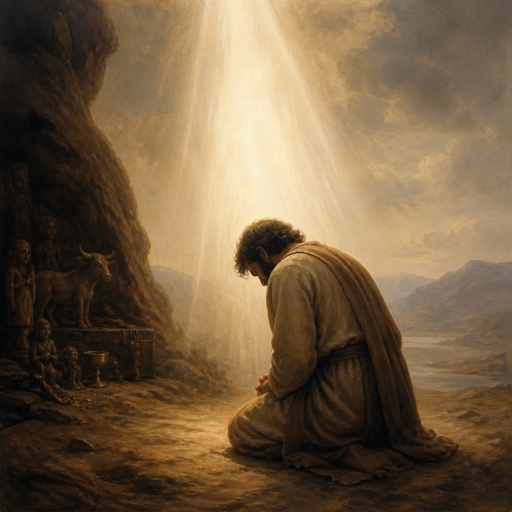
"Thou shalt have none other gods before me." - Deuteronomy 5:7

Deuteronomy 5:17 - "Thou shalt not kill."

Deuteronomy 34:5-6

Deuteronomy 5:19 - "Neither shalt thou steal."

Deuteronomy 5:18 - "Neither shalt thou commit adultery."

Deuteronomy 28:5 - "Blessed shall be thy basket and thy store."

Deuteronomy 5:2 - "The LORD our God made a covenant with us in Horeb."

Deuteronomy 5:30 - "Go say to them, Get you into your tents again."

Deuteronomy 3:7 - "But all the cattle, and the spoil of the cities, we took for a prey to ourselves."

"Thou shalt not kill." - Deuteronomy 5:17

Deuteronomy 5:13 - "Six days thou shalt labour, and do all thy work:"

Deuteronomy 1:5 - "On this side Jordan, in the land of Moab, began Moses to declare this law, saying,"

Deuteronomy 5:5 - "(I stood between the LORD and you at that time, to shew you the word of the LORD: for ye were afraid by reason of the fire, and went not up into the mount;) saying,"

Deuteronomy 5:20 - "Neither shalt thou bear false witness against thy neighbour."

Deuteronomy 5:4 - "The LORD talked with you face to face in the mount out of the midst of the fire,"

Deuteronomy 32:5 - "They have corrupted themselves, their spot is not the spot of his children: they are a perverse and crooked generation."

Deuteronomy 14:5 - "The hart, and the roebuck, and the fallow deer, and the wild goat, and the pygarg, and the wild ox, and the chamois."

Deuteronomy 5:10 - "And shewing mercy unto thousands of them that love me and keep my commandments."

Deuteronomy 5:12 - "Keep the sabbath day to sanctify it, as the LORD thy God hath commanded thee."

Deuteronomy 11:5 - "And what he did unto you in the wilderness, until ye came into this place;"

Deuteronomy 34:5 - "¶ So Moses the servant of the LORD died there in the land of Moab, according to the word of the LORD."

"Neither shalt thou steal." - Deuteronomy 5:19

Deuteronomy 19:7 - "Wherefore I command thee, saying, Thou shalt separate three cities for thee."

Deuteronomy 33:5 - "And he was king in Jeshurun, when the heads of the people and the tribes of Israel were gathered together."

Deuteronomy 10:7 - "From thence they journeyed unto Gudgodah; and from Gudgodah to Jotbath, a land of rivers of waters."

Deuteronomy 11:7 - "But your eyes have seen all the great acts of the LORD which he did."

"Neither shalt thou commit adultery." - Deuteronomy 5:18