What does Deuteronomy 7:14 mean?
"Thou shalt be blessed above all people: there shall not be male or female barren among you, or among your cattle." - Deuteronomy 7:14
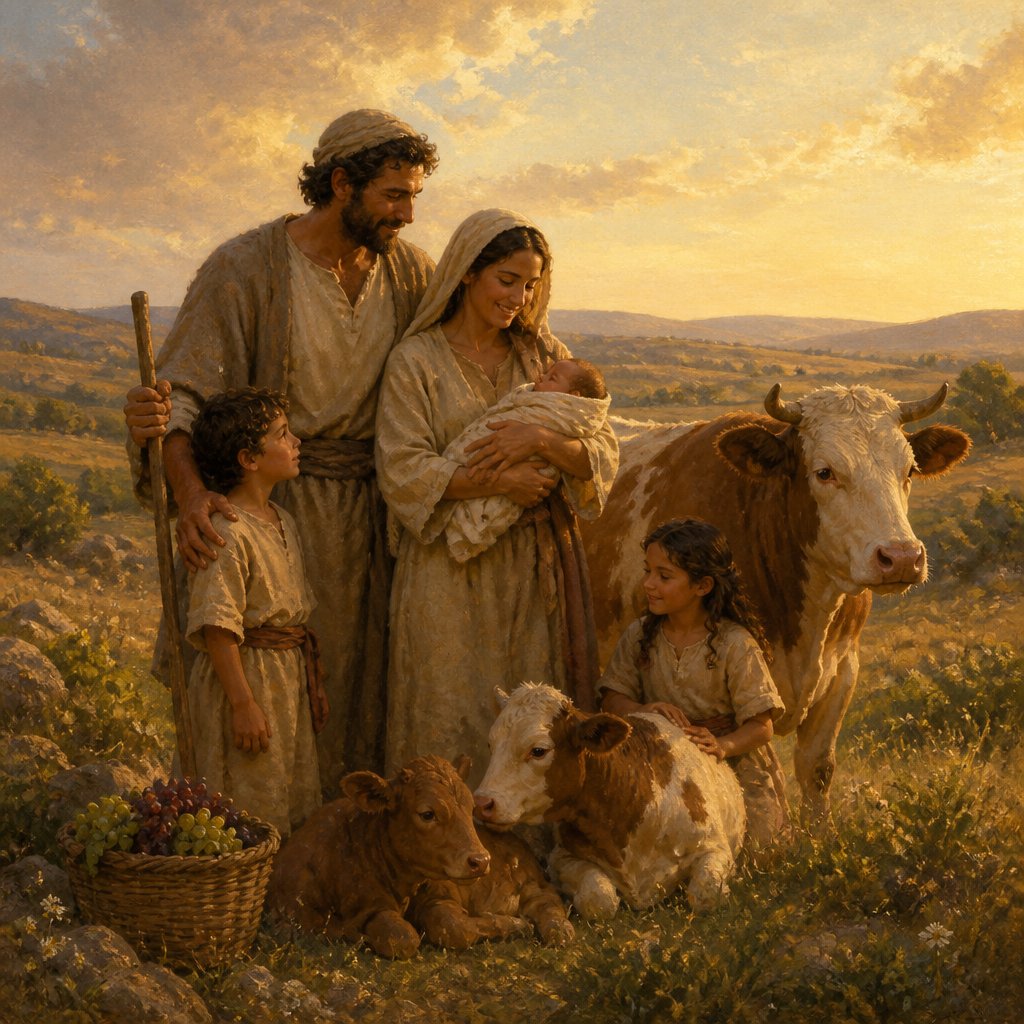
Deuteronomy 7:14 (KJV) says, "Thou shalt be blessed above all people: there shall not be male or female barren among you, or among your cattle." This verse is a part of the Old Testament, specifically the book of Deuteronomy, which is attributed to Moses. In this chapter, Moses is instructing the Israelites about their obligations to God and the need for obedience and faithfulness.
In this verse, Moses is expressing the blessings that God has promised to bestow upon the people of Israel. He assures them that they will be blessed above all other nations, and that there will be no barrenness among them, whether it be male, female, or even their livestock. This promise serves as a reminder of God's faithfulness and provision for his chosen people.
One of the key themes in this verse is the idea of blessings and fertility. In the ancient world, being able to have children was of great importance, as it signaled growth, prosperity, and continuity of family and lineage. The promise of no barrenness among the people and their livestock indicates God's desire for the prosperity and abundance of the Israelites. It also underscores the idea that God is the ultimate source of fertility and blessings, and that he is able to bring about abundance and fruitfulness in every aspect of their lives.
Another theme present in this verse is the concept of chosenness. The Israelites are reminded of their unique status as God's chosen people, and the special blessings and favor that come with this designation. This concept of chosenness is a recurring theme throughout the Old Testament, as it sets the stage for the covenantal relationship between God and the people of Israel. It highlights God's sovereignty and his purposeful selection of a particular group of people to fulfill his divine plan.
Furthermore, this verse also carries with it the theme of God's faithfulness and provision. By promising the Israelites blessings and fertility, God is reaffirming his commitment to provide for their needs and to ensure their well-being. This serves as a source of comfort and reassurance for the Israelites as they journey through the wilderness and face various challenges and uncertainties. It also emphasizes the importance of trust and reliance on God's faithfulness in all circumstances.
In terms of context, it is important to consider the historical and cultural backdrop of the Israelites at the time of Moses. They were a people who had endured slavery in Egypt and were now on the cusp of entering the Promised Land. In this transitional period, they were filled with both hope and apprehension, as they faced the unknown challenges of establishing themselves as a nation and occupying the land that God had promised to give them. In light of this context, Moses' words in Deuteronomy 7:14 would have been a source of great encouragement and motivation for the Israelites to maintain their faith and obedience to God.
Symbolically, the promise of fertility and abundance in this verse can also be interpreted as a metaphor for spiritual blessings and growth. Just as God promises physical fertility to the Israelites, he also desires to bring about spiritual fruitfulness in their lives. This includes the growth of their faith, the abundance of God's presence, and the flourishing of righteousness and obedience. The imagery of God's people being fruitful and multiplying underscores the idea of spiritual prosperity and the expansion of God's kingdom on earth.
In conclusion, Deuteronomy 7:14 (KJV) is a verse that encapsulates the themes of blessings, chosenness, faithfulness, and provision. It serves as a powerful reminder of God's promises to his people and his desire for their prosperity and growth. This verse also holds significance as a source of hope and encouragement for believers today, as it underscores the timeless truth of God's faithfulness and his ability to bring about abundance and fruitfulness in every aspect of our lives.
Have questions about Deuteronomy 7:14?
Dive deeper into this scripture with Bible Chat — an AI-powered tool for exploring God's Word through conversation. Ask questions, get context, and grow in your understanding of the Bible.
Get Our Apps


Deuteronomy 7:14 Artwork

Deuteronomy 7:14 - "Thou shalt be blessed above all people: there shall not be male or female barren among you, or among your cattle."
"Thou shalt be blessed above all people: there shall not be male or female barren among you, or among your cattle." - Deuteronomy 7:14
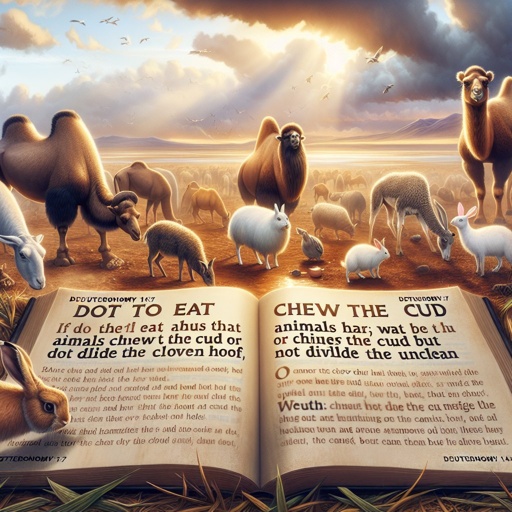
Deuteronomy 14:7 - "Nevertheless these ye shall not eat of them that chew the cud, or of them that divide the cloven hoof; as the camel, and the hare, and the coney: for they chew the cud, but divide not the hoof; therefore they are unclean unto you."

Deuteronomy 14:14 - "And every raven after his kind,"

Deuteronomy 14:17 - "And the pelican, and the gier eagle, and the cormorant,"

"And every raven after his kind," - Deuteronomy 14:14

Deuteronomy 14:16 - "The little owl, and the great owl, and the swan,"

Deuteronomy 14:3 - "¶ Thou shalt not eat any abominable thing."

Deuteronomy 14:11 - "¶ Of all clean birds ye shall eat."

Deuteronomy 14:20 - "But of all clean fowls ye may eat."

Deuteronomy 14:13 - "And the glede, and the kite, and the vulture after his kind,"

Deuteronomy 14:18 - "And the stork, and the heron after her kind, and the lapwing, and the bat."

Deuteronomy 14:12 - "But these are they of which ye shall not eat: the eagle, and the ossifrage, and the ospray,"

Deuteronomy 14:15 - "And the owl, and the night hawk, and the cuckow, and the hawk after his kind,"

Deuteronomy 29:14 - "Neither with you only do I make this covenant and this oath;"

Deuteronomy 14:4 - "These are the beasts which ye shall eat: the ox, the sheep, and the goat,"

Deuteronomy 14:19 - "And every creeping thing that flieth is unclean unto you: they shall not be eaten."

Deuteronomy 25:14 - "Thou shalt not have in thine house divers measures, a great and a small."

"And the pelican, and the gier eagle, and the cormorant," - Deuteronomy 14:17

Deuteronomy 27:14 - "¶ And the Levites shall speak, and say unto all the men of Israel with a loud voice,"

Deuteronomy 14:10 - "And whatsoever hath not fins and scales ye may not eat; it is unclean unto you."

Deuteronomy 14:5 - "The hart, and the roebuck, and the fallow deer, and the wild goat, and the pygarg, and the wild ox, and the chamois."

Deuteronomy 33:14 - "And for the precious fruits brought forth by the sun, and for the precious things put forth by the moon,"

Deuteronomy 3:7 - "But all the cattle, and the spoil of the cities, we took for a prey to ourselves."

Deuteronomy 5:7 - "Thou shalt have none other gods before me."

Deuteronomy 10:14 - "Behold, the heaven and the heaven of heavens is the LORD'S thy God, the earth also, with all that therein is."

Deuteronomy 1:14 - "And ye answered me, and said, The thing which thou hast spoken is good for us to do."

Deuteronomy 14:9 - "¶ These ye shall eat of all that are in the waters: all that have fins and scales shall ye eat:"

Deuteronomy 6:14 - "Ye shall not go after other gods, of the gods of the people which are round about you;"

Deuteronomy 30:14 - "But the word is very nigh unto thee, in thy mouth, and in thy heart, that thou mayest do it."